REVIEW · OLLANTAYTAMBO
From Ollantaytambo:Private tour to Maras and Moray half day
Book on GetYourGuide →Operated by Chullos Travel Peru · Bookable on GetYourGuide
Moray and Maras look like they belong in a science lesson. One set of terraces was made for experimentation, and the other turns a hillside into thousands of salt pans.
I like how the tour pairs Moray’s agricultural terraces with the Salineras de Maras salt mines in one efficient run. I also love that you get a bilingual guide (English/Spanish), which matters here because you’ll understand what you’re seeing instead of just taking photos and guessing.
The only real catch: entrance costs are partly extra. Maras is listed at 10.00 soles, and Moray uses the tourist ticket (Boleto Turístico), so check your budget before you go.
In This Review
- Key highlights worth planning for
- Cusco Region half-day logistics: Ollantaytambo 8:00 a.m. pickup
- Moray agricultural laboratory: terraces built to test crops
- Salineras de Maras salt mines: a hillside turned into tiny squares
- Why a bilingual private guide changes everything
- Timing, weather, and photo tips for terraces and salt pans
- Price check: is $76 good value for Moray + Maras?
- Who this tour suits best (and who should skip it)
- Should you book this Ollantaytambo private tour to Maras and Moray?
- FAQ
- What time do you get picked up in Ollantaytambo?
- How long is the tour?
- Is this tour private?
- Do you provide a bilingual guide?
- Are entrance fees included?
- Are meals included?
- Can I cancel for a refund?
- Is this tour suitable for wheelchair users?
- Is this tour okay if I have vertigo or I’m pregnant?
- What should I bring to the tour?
Key highlights worth planning for
- Moray’s terrace system shows how Incas tested farming conditions using concentric levels
- Salineras de Maras salt pans turn a hillside spring into a maze of reflective pools
- Inca agriculture explained in plain language thanks to a bilingual English/Spanish guide
- A private group pace means you can stop for photos without feeling rushed
- You get help with timing and viewpoints so your pictures come out better than quick snapshots
- Half-day schedule from Ollantaytambo makes it easy to pair with other Sacred Valley plans
Cusco Region half-day logistics: Ollantaytambo 8:00 a.m. pickup
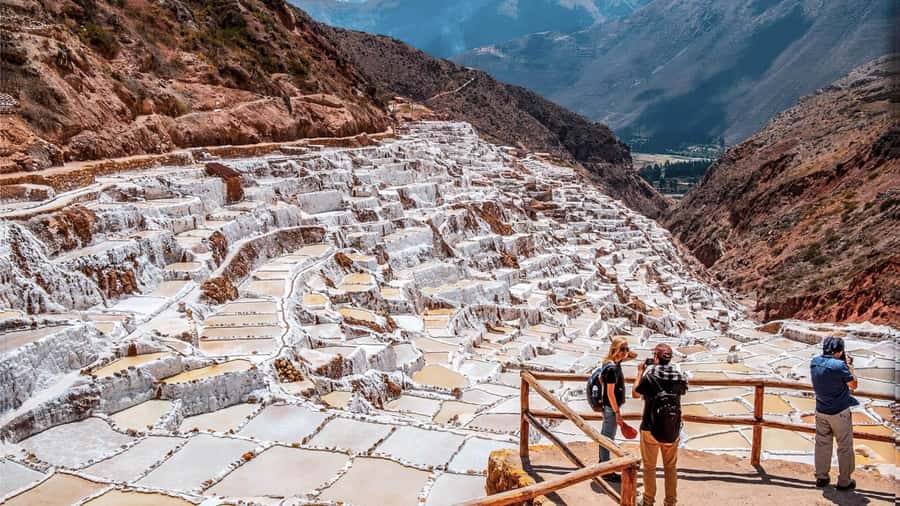
This tour starts with pickup from your hotel in Ollantaytambo at 8:00 a.m. Your guide will write or call you about 15 minutes before, and you should plan to wait roughly 10 minutes in the hotel lobby.
The schedule says you return to Ollantaytambo at about 2:00 p.m., so it feels like a real half-day outing. At the same time, the activity duration is listed as 2 hours, and starting times may vary. Before you lock it in, confirm the exact timing with the provider so you know how long you’ll be out at each stop.
Also, meals aren’t included. You’ll want water on hand and something small to eat before you set out. A comfy pair of walking shoes is not optional—these are sites with uneven ground, and the salt mine area can be slippery if it has rained.
You can also read our reviews of more private tours in Ollantaytambo
Moray agricultural laboratory: terraces built to test crops
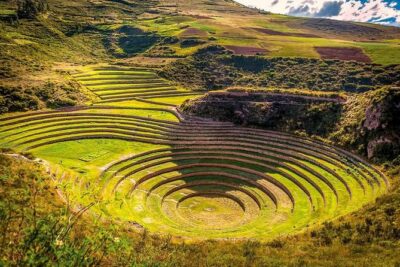
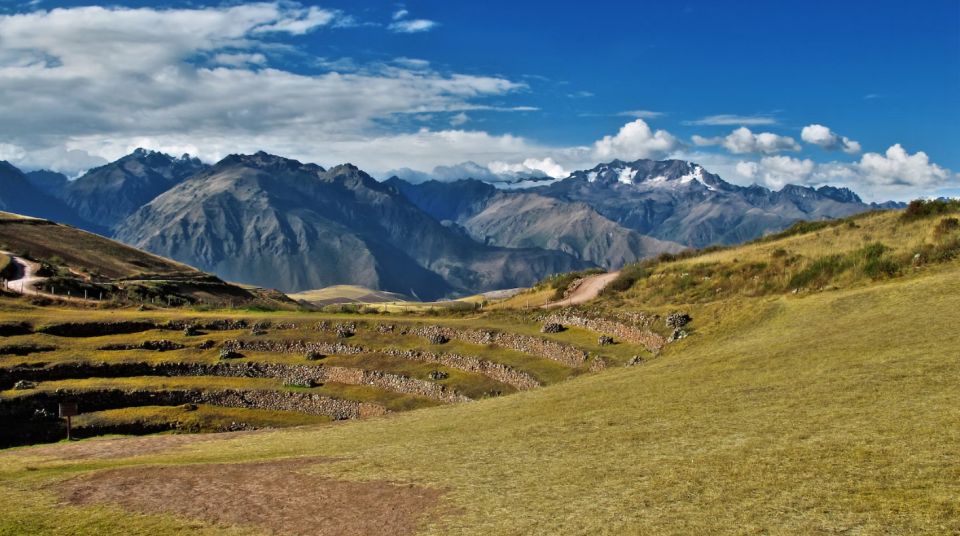
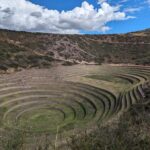
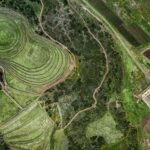
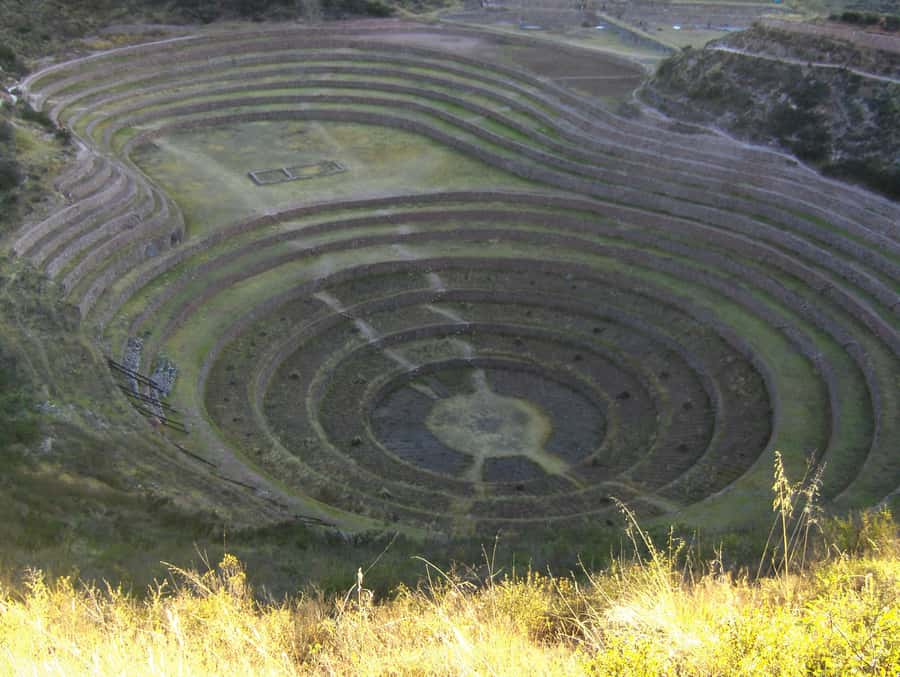
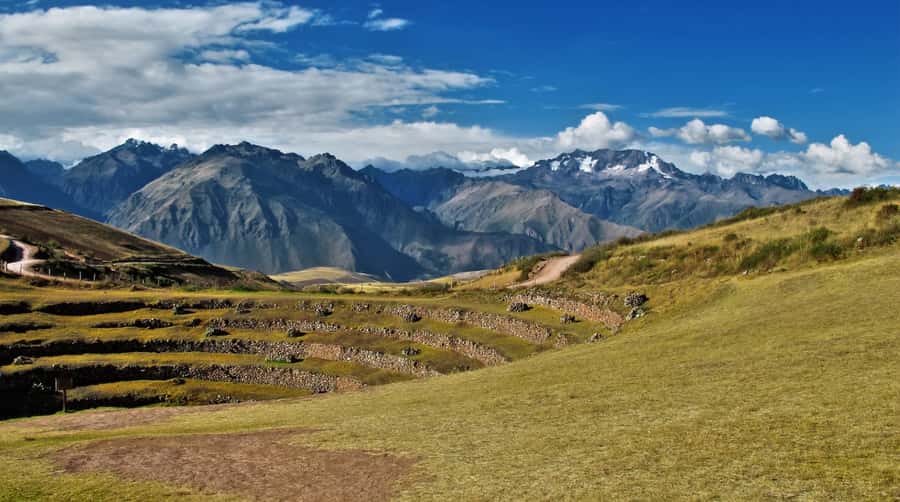
Moray is where the whole Sacred Valley story gets practical. The site features terraces arranged in a way that suggests an agricultural strategy, not just a scenic viewpoint. You’ll tour the agricultural laboratory area, where terraces were used for experimental purposes.
What makes Moray special is the idea behind it: controlled conditions for farming. You’ll learn how the Incas managed agricultural techniques and planning during the Inca period. That framing changes how you look at the terraces. Instead of thinking only about ancient engineering, you start thinking about climate, exposure, and how small shifts can affect what grows.
Photo-wise, Moray is ideal if you like angles. The terraces create strong lines, and you can usually find spots where your camera captures depth instead of just repeating one flat view. Just be ready for sun, since you’ll likely be outside for stretches.
A practical note: entrance details for Moray are handled on-site through the Boleto Turístico system. So you’ll want to have cash or a plan that matches whatever ticket option you’re using before you arrive.
Salineras de Maras salt mines: a hillside turned into tiny squares
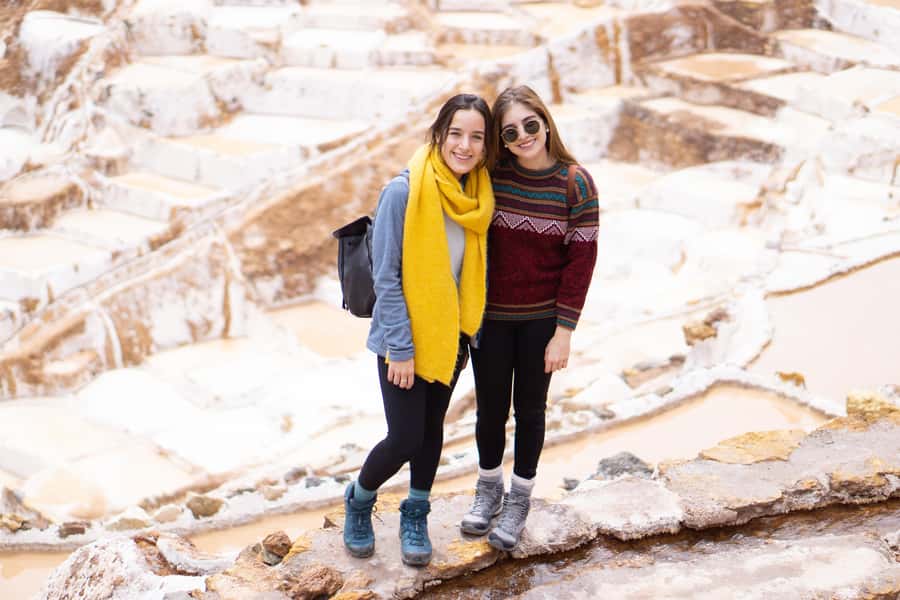
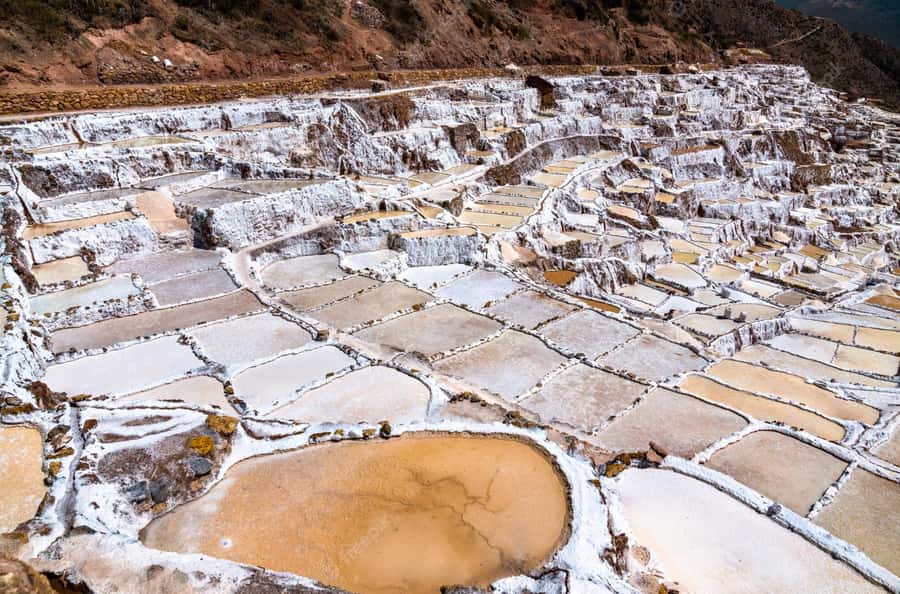
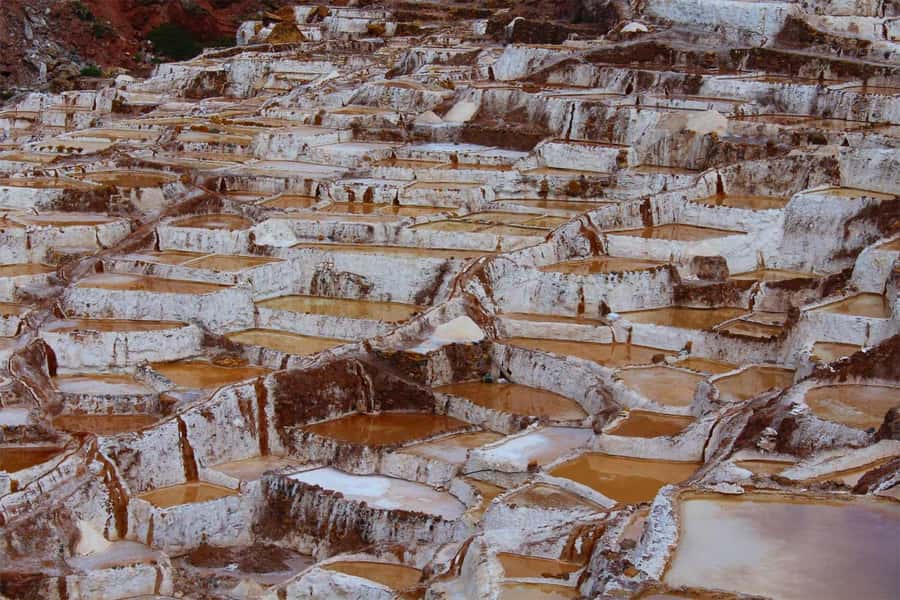
After Moray, the tour heads to Salineras de Maras, the salt mines on the hillside. This is the other half of the contrast: Moray is about experimentation, and Maras is about extraction over time. The salt mines have been exploited since the Inca period, and the site is tied to a natural saltwater spring.
What you’ll see is a patchwork of salt pans stacked across the slope. It’s visually busy in the best way: there are lots of small shapes and reflective surfaces, so it’s easy to fill a memory card fast. If you’re into photography, aim to capture both wide views (to show the hillside pattern) and close details (to highlight textures and the grid-like layout).
The salt mines can be dramatic when weather shifts. If it’s raining, the ground may get slick, and the light can change fast. A good guide helps you stay calm and move to photo points at the right time—one guide experience with Roberto included exactly that kind of on-the-spot adjustment, even when the group got rain at the salt mines.
Entrance to Maras is listed as 10.00 soles, purchased on-site. Plan to pay when you arrive, and keep your ID handy.
Why a bilingual private guide changes everything
This is a private group tour with a bilingual guide in English/Spanish. That matters more than it sounds. At Moray and Maras, you’re not just looking at old structures—you’re looking at systems. A guide helps you connect the dots: why terraces were built the way they were, and how the spring fed into salt production on the hillside.
The private format also changes the feel. Instead of being one more person in a crowd, you get a pace that works for questions, slower photography, and pauses to reset your bearings. It’s also the easiest way to manage language smoothly, especially if you’re practicing Spanish or you want clear explanations without hand-waving.
Guides can be different, of course. Some groups have had guides like Roberto who stayed engaging while showing the best photo stops, and others have been with guides like Yesica who made the trip feel well-run even when things weren’t perfectly organized behind the scenes. Bottom line: you’re more likely to have a good time when your guide keeps you moving with purpose and answers what you care about.
Timing, weather, and photo tips for terraces and salt pans
This tour is short on paper, but it’s not a quick hop between viewpoints. You’ll be outside a lot, and you’ll walk between sites. That means your comfort affects everything: shoes, sun protection, and how you handle heat.
Bring:
- comfortable shoes
- sunglasses and sunscreen
- a sun hat
- comfortable clothes
- your passport or ID card
You’ll also want to think about the sun angle. Terraces at Moray look best when you can show structure and depth, so try to position yourself so the light doesn’t wash everything out. At Maras, reflections are part of the fun. When conditions are good, you can get sharp shots with strong contrast.
One more smart altitude tip: the tour info recommends drinking coca tea before the tour to help prevent altitude sickness. You don’t need to treat it like a miracle cure, but it’s an easy habit that can make the start of the day feel easier.
If you’re sensitive to uneven ground or you feel uneasy on slopes, take extra care at the salt pans area. It’s not the kind of place where you want to rush.
Price check: is $76 good value for Moray + Maras?
At $76 per person for a private tour, the value depends on what you compare it to. You’re paying for transportation from Ollantaytambo and a bilingual guide, and you’re visiting two major Sacred Valley sites in one morning/afternoon loop.
What’s not included is important:
- Maras entrance: 10.00 soles
- Moray entrance: Boleto Turístico
- meals
- anything else not listed
So you should expect the final all-in cost to be higher once you add tickets. Still, the structure makes sense: a guide is often worth it at these places because the explanation helps you “read” what you’re seeing. If you go on your own, you can still see the terraces and salt pans, but you’ll spend more time figuring out meaning and best photo points.
For $76, this is especially strong if:
- you want a private pace in a short time window
- you care about understanding Inca agricultural management, not just visuals
- you’d rather pay for logistics than spend your day negotiating transport
If you’re traveling solo on a tight budget, you might compare against group tours. But if you want clear guidance and less stress, this price can be fair.
Who this tour suits best (and who should skip it)
This tour fits best if you want a focused Sacred Valley experience without committing to a full day. It’s also a good match if you enjoy educational stops—Moray is the agriculture angle, and Maras is the production angle.
You should consider skipping it if you:
- are pregnant (it’s listed as not suitable)
- use a wheelchair (listed as not suitable)
- have vertigo (listed as not suitable)
It’s also not a tour for people who want a long sit-down lunch break, since meals aren’t included and the schedule is built around visiting both sites efficiently.
If you’re traveling with friends or family and want flexibility—extra time for photos, fewer stops that feel rushed—private makes the biggest difference. And if you like clear communication, the English/Spanish guide helps keep everyone on the same page.
Should you book this Ollantaytambo private tour to Maras and Moray?
I’d book it if you want two iconic Sacred Valley stops in one tight run and you’ll enjoy learning the logic behind them. The mix of experimental farming at Moray and salt production at Maras gives the day a sense of cause-and-effect, not just sightseeing.
I’d double-check timing before you commit, because the schedule shows an 8:00 a.m. pickup and a return around 2:00 p.m., while the listed duration is 2 hours. Confirm the real on-the-ground plan with the provider.
You should also plan for entrance fees on-site (Maras at 10.00 soles, Moray via Boleto Turístico) and bring sun protection and good walking shoes. If you do those basics well, this tour is a smart use of limited time in the Cusco region.
FAQ
What time do you get picked up in Ollantaytambo?
Pickup is at 8:00 a.m. Your guide will write or call you about 15 minutes before pickup, and you should wait around 10 minutes in the hotel lobby.
How long is the tour?
The duration is listed as 2 hours, but the tour also notes returning to Ollantaytambo at approximately 2:00 p.m. Check available starting times and confirm the timing with the provider.
Is this tour private?
Yes. It’s a private group tour.
Do you provide a bilingual guide?
Yes. The guide is bilingual in English and Spanish.
Are entrance fees included?
No. Entrance to Maras is listed as 10.00 soles, and Moray requires the Boleto Turístico.
Are meals included?
No. Meals such as breakfast or lunch are not included.
Can I cancel for a refund?
Yes. Free cancellation is available up to 24 hours in advance for a full refund.
Is this tour suitable for wheelchair users?
No. It is not suitable for wheelchair users.
Is this tour okay if I have vertigo or I’m pregnant?
No. It is not suitable for people with vertigo and it is also not suitable for pregnant women.
What should I bring to the tour?
Bring a passport or ID card, comfortable shoes, sunglasses, a sun hat, sunscreen, and comfortable clothes. The tour also suggests drinking coca tea before the tour to help prevent altitude sickness.