REVIEW · OLLANTAYTAMBO
From Cusco: Chinchero, Moray, Maras, Ollantaytambo and Pisaq
Book on GetYourGuide →Operated by Trip Finder Peru · Bookable on GetYourGuide
Five Inca stops in one day sounds frantic. And it’s partly hectic, but the payoff is big: you’ll get a guided, well-rounded Sacred Valley circuit without having to coordinate rides. I especially liked the bilingual guide who explains the meaning behind what you’re seeing, and I liked how the day stacks major sites in a logical order so the afternoon doesn’t feel random. The catch is time: you’ll move fast through each stop, so depth is limited and you might feel rushed at the last sites.
You’ll start early with hotel pick-up in Cusco, ride a van through Andean scenery, and come back to the Cusco area by late afternoon or early evening (finish point is Plaza Regocijo). The lunch buffet in Urubamba is built in, so you’re not stuck hunting food between ruins. Just know this is a long checklist day, not a slow wander.
In This Review
- Quick hits before you go
- Sacred Valley, One Long Day: The Real Value of This Route
- Cusco Pick-Up and Van Timing: How the Day Flows
- Chinchero: Weaving Traditions Plus Inca-Era Remnants
- Moray’s Circular Terraces: Why It’s More Than a Photo Stop
- Maras Salt Mines: The View Is Impressive. The Function Matters More.
- Urubamba Lunch: A Real Reset Between Ruins
- Ollantaytambo: The Inca Town That Still Feels Alive
- Pisac Ruins: Beautiful, Big, and Time-Sensitive
- Price and Tickets: What Your $35 Covers, and What It Doesn’t
- Guide Quality: Why Bilingual Explanations Change the Day
- Shopping Stops vs. Ruins Time: The Trade-Off You Should Expect
- Who Should Book This Sacred Valley Day, and Who Should Skip It
- Should You Book? My Practical Verdict
- FAQ
- FAQ
- How long is the Sacred Valley tour from Cusco?
- Where do you get picked up, and where does the tour finish?
- What is included in the price?
- What tickets are not included?
- What languages does the guide speak?
- How much time do you spend at each main stop?
- What should I bring for the day?
- Are drones allowed?
Quick hits before you go
- Bilingual guide support (Spanish and English) so explanations land even if your group is mixed
- Chinchero to Pisaq in one day, a practical way to cover the big names of the Sacred Valley
- Moray’s circular terraces and Maras salt pools, two different sides of Inca-era “working land”
- Ollantaytambo’s still-intact town vibe, not just stone on a hill
- Lunch buffet in Urubamba gives you real energy for the afternoon run
- Tight timing, which is great for coverage, but not ideal for lingering
Sacred Valley, One Long Day: The Real Value of This Route
This is a classic Sacred Valley “greatest hits” day. For first-timers, it’s efficient: you’re not picking between ruins and farming experiments and salt production. You’re getting all of them, with a guide who helps connect the dots across the region.
That’s where the value is. At $35 per person, you’re paying mainly for the van, the guide, and the fact that someone else handles the driving logic between Cusco-area sites. In other words, you’re buying time and reducing stress. You also get lunch—usually the small hidden cost of a day like this if you travel independently.
The trade-off is that you shouldn’t expect museum-style pacing. This tour is designed to fit a lot into daylight, which means quick photo moments plus shorter guided walks. If you’re the type who likes to read every sign and take your time around each viewpoint, you’ll want to balance your expectations.
You can also read our reviews of more tours and experiences in Ollantaytambo.

Cusco Pick-Up and Van Timing: How the Day Flows
The day starts with hotel pick-up in Cusco, then you’re on a van right away. Based on the scheduled stop durations, the rhythm is fairly tight:
- Short van hops between nearby districts
- Guided time that’s often under an hour per major site
- Lunch that’s long enough to reset, then straight back into ruins mode
This van format matters because it’s what makes the itinerary workable. The Sacred Valley stretches out, and doing this alone would mean coordinating multiple rides and ticket lines. The guide’s job is not just to point things out—it’s also to keep you moving so the van waits and the site entries stay on track.
Also, your altitude will change throughout the day. That’s normal around Cusco, and it’s one reason the itinerary works best if you bring water and keep your pace steady. Don’t treat this like a casual city stroll.
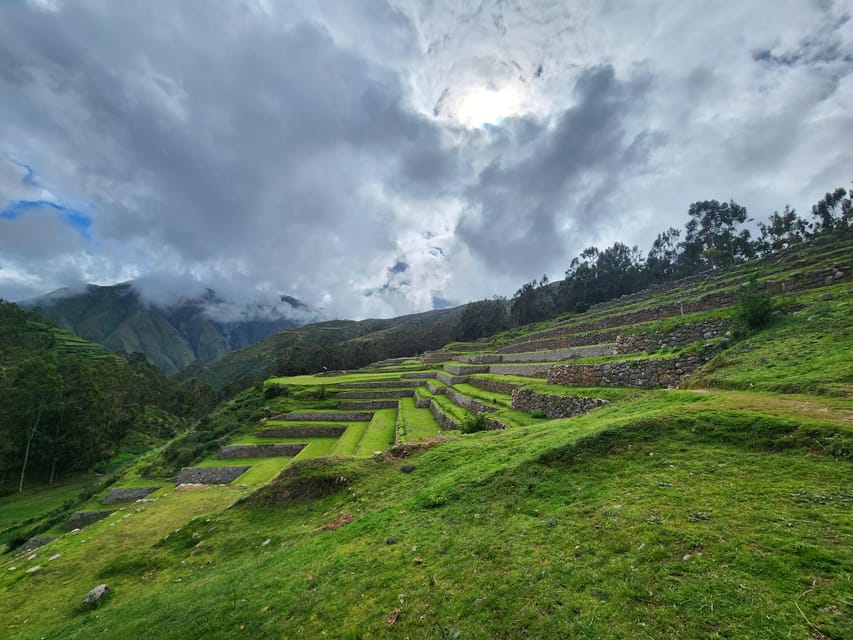
Chinchero: Weaving Traditions Plus Inca-Era Remnants
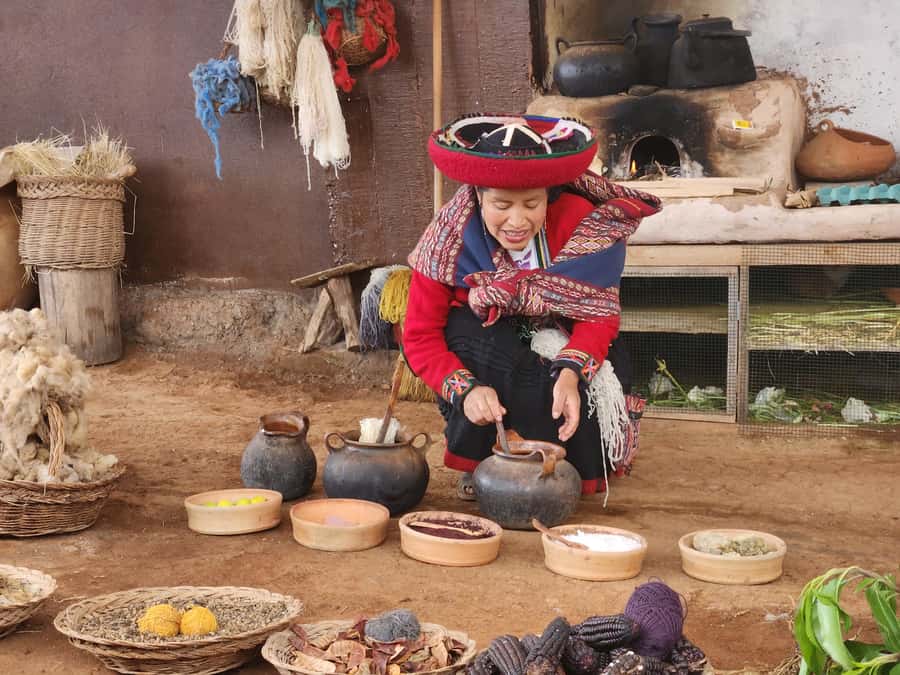
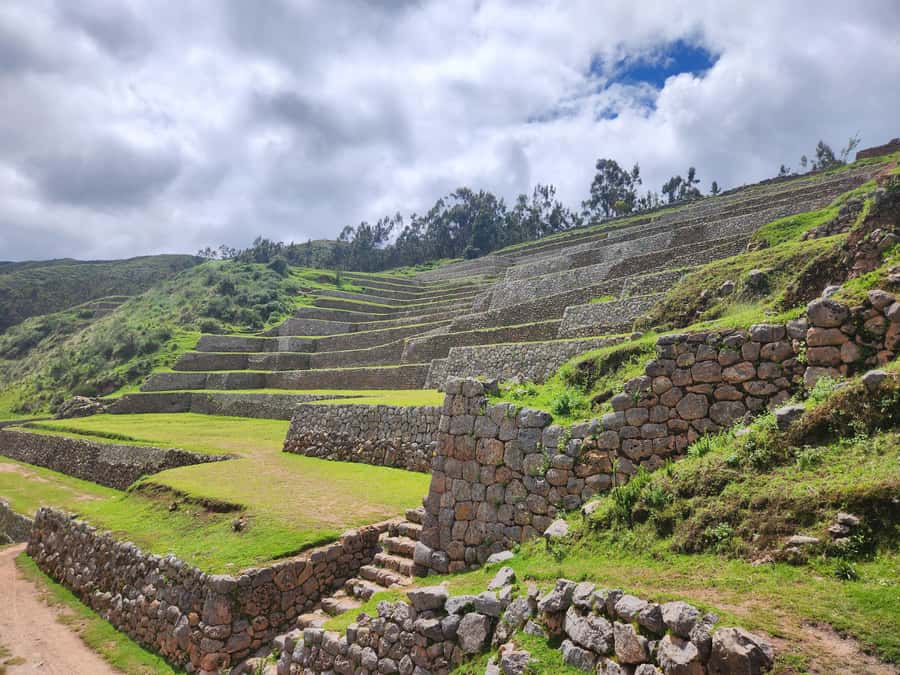
Chinchero is where the Sacred Valley gets human. You’re not just looking at a set of ruins—you’re starting with a village known for traditional weaving and cultural continuity.
You’ll have time for a photo stop and then a guided visit. The schedule includes time for both the town’s colonial church and nearby Inca remains, which is a key theme of this region: Spanish-era structures sit beside older Inca foundations and stories. It’s a reminder that the Sacred Valley didn’t go silent after the Inca period. It kept evolving.
What I like about this stop is that it adds context. Before you hit agricultural engineering (Moray) or production landscapes (Maras), Chinchero gives you a cultural entry point. The tour also includes a visit to a local weaving cooperative, where traditional weaving techniques are demonstrated. Even if you’re not shopping, it’s a useful way to understand the materials and craft side of Andean heritage.
One practical tip: if you’re the type who likes to ask questions, Chinchero is a good moment to do it. The weaving and the church/Inca blend are easier for guides to explain clearly, and the atmosphere encourages conversation.
Moray’s Circular Terraces: Why It’s More Than a Photo Stop
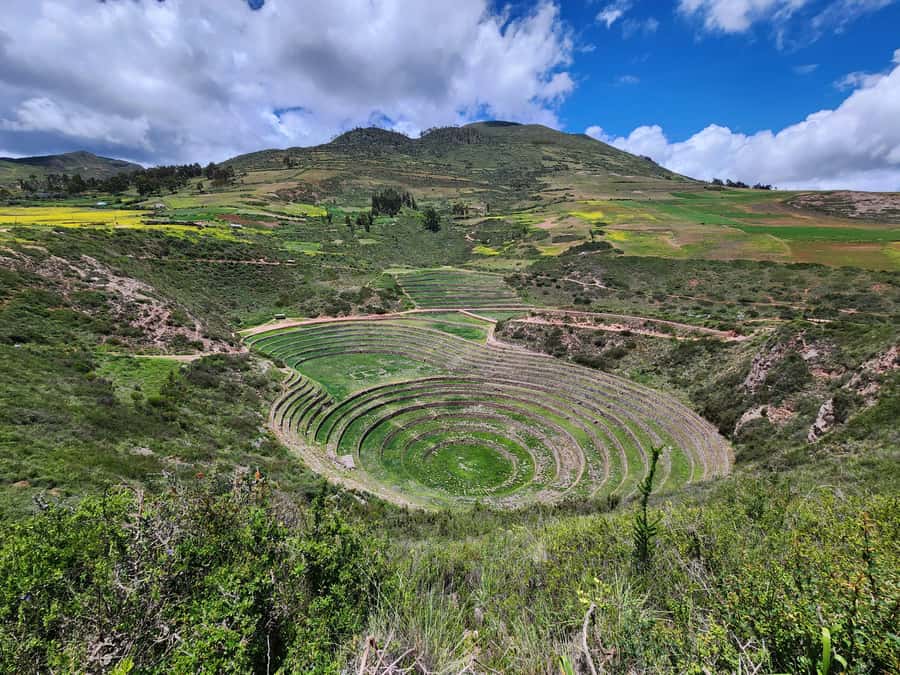
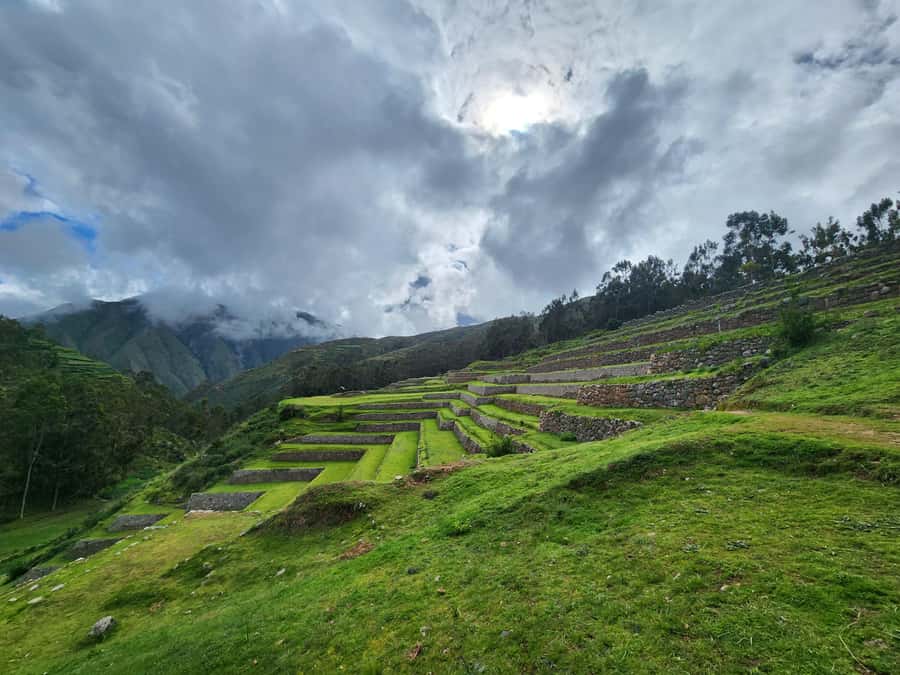
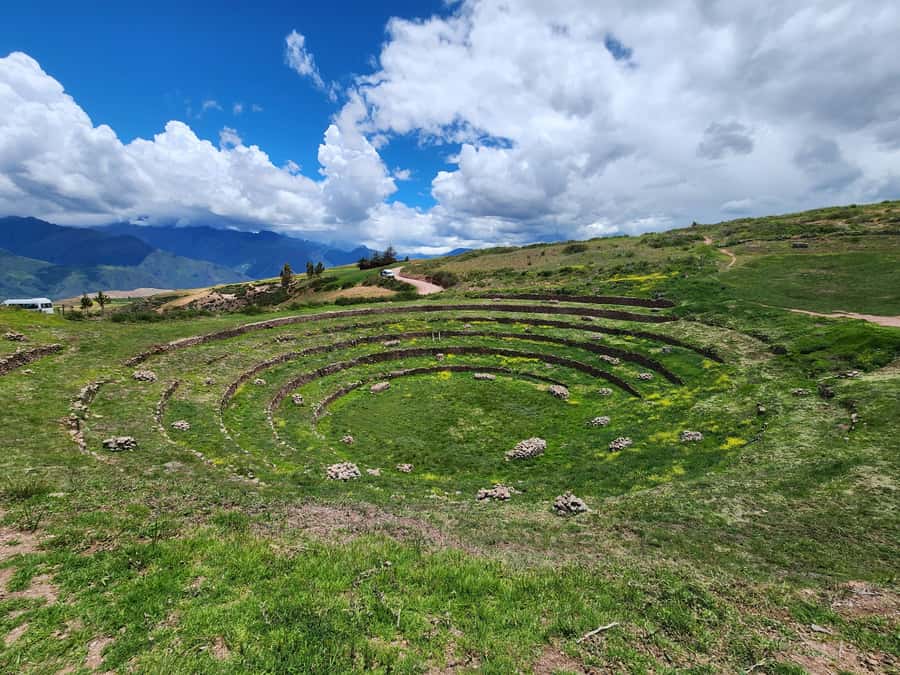
Moray is the kind of place that looks simple from a distance and then grows interesting once you’re standing close. The headline here is the circular terraces—an agricultural design believed to have been used by the Incas to experiment with crops and manage different conditions created by altitude.
In a single guided visit, you can walk the terraces and learn how the design connects to agriculture. That’s the value: it shifts how you look at the landscape. Instead of thinking only about ceremonial sites, you see practical science—controlled growing conditions and trial-and-error agriculture—built into architecture.
The timing here is also important. Your guided visit is set for a short window, so you won’t have hours to wander. Still, Moray is the sort of site where even a brief walk can change your understanding of the Sacred Valley. You’ll come away knowing why those circles matter.
If you hate being rushed, Moray is the one stop where it might still feel satisfying because the terraces give you natural “pause points” for photos and quick observations.
Maras Salt Mines: The View Is Impressive. The Function Matters More.
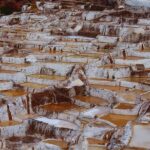
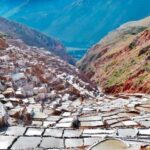
Maras is famous for salt mines made up of thousands of small pools used to harvest salt from brine. This is production at a scale that’s hard to fully grasp unless you’re looking down from the terraces and seeing how the system repeats across the hillside.
During your stop, you’ll have time for a photo moment plus a guided visit. The big takeaway is the working landscape idea. This isn’t just an archaeological curiosity. It’s a production method tied to the region’s natural resources, with evidence of use stretching back to Inca times (as explained by the guide).
Maras also tends to be popular because the imagery is strong: the patterns, the color variation in pools, the steep terrain. But the best way to enjoy Maras is to focus on the why, not only the wow. Salt harvesting tells you how the Incas managed valuable commodities and how later generations kept the system alive.
One consideration: this stop is often paired with commercial activity in the broader area. Even when the main focus is the salt pools, you may experience the “buying stops” feeling described in some feedback. If you’re there to avoid shopping time, be clear with your guide and keep your attention on the pools and viewpoints.

Urubamba Lunch: A Real Reset Between Ruins
Lunch is built in at Urubamba, with a buffet scheduled for about 45 minutes. That matters more than it sounds. A day like this runs on stamina: you’ll be walking at altitude with sun and dust, and you don’t want to lose your afternoon to meal hunting.
A buffet also keeps things simple for the group. You’re not waiting behind one long plate-by-plate order. In practice, you can eat, refill your water, and get ready to move.
One review note I’d take seriously: the buffet gets described as delicious, but you still won’t have tons of time to slow down. So treat lunch like a reset, not a lingering pause.
If you’re picky, eat early in your window and prioritize hydration. And if you’re the kind of person who gets tired when you eat, plan a simple meal choice so you don’t feel sluggish when you’re back in motion.
Ollantaytambo: The Inca Town That Still Feels Alive
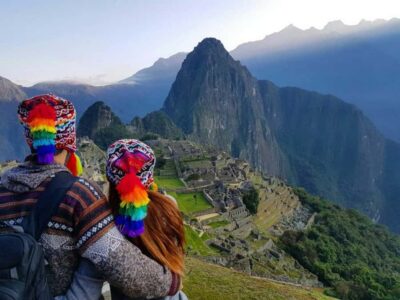
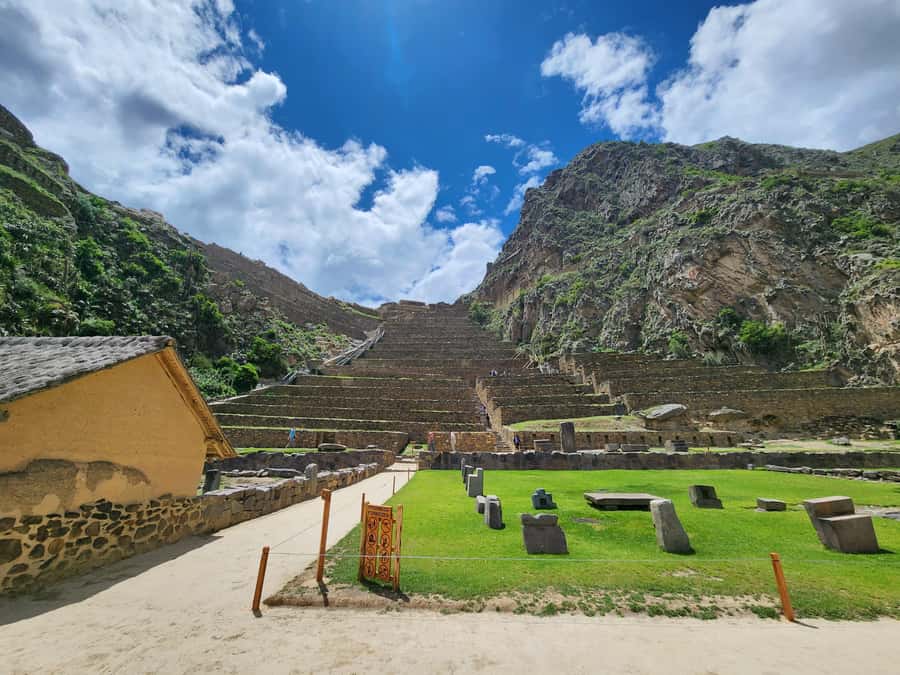
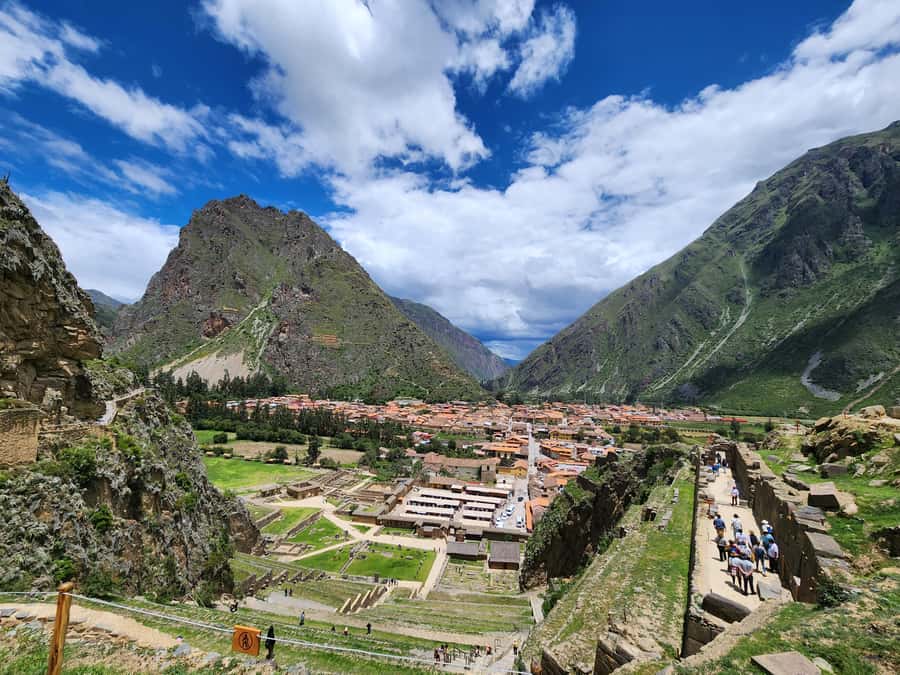
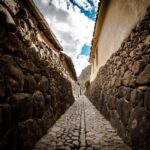
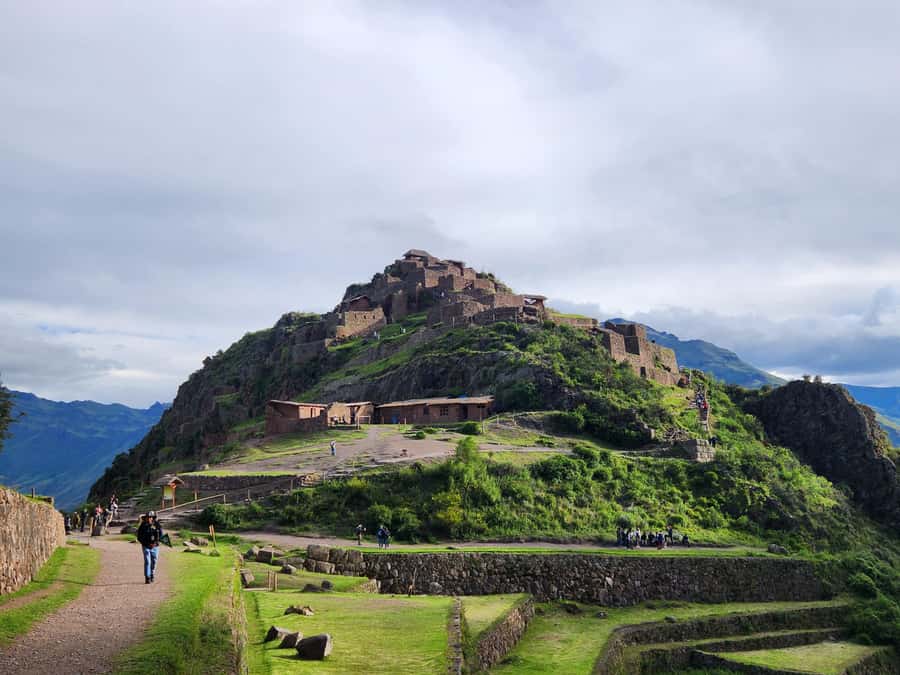
Ollantaytambo is the stop that often clicks for people who want more than scattered ruins. It’s a preserved Inca town with impressive terraces and religious/ceremonial structures, plus a town layout that helps you understand how architecture supported daily life.
Your guided visit is longer here than at some other stops, giving you time to explore the terraces and key areas of the ceremonial center. This is also one of the best places to grasp strategic planning in Inca design. The site sits in a location that made it important as an administrative and religious center, and the construction reflects that.
What I like about Ollantaytambo is the pacing. It feels less like a quick stop for photos and more like a place you can visually map. You can look at how the terrain was used, how the terraces create level spaces, and how stonework ties together practical and ceremonial functions.
The day can feel rushed overall, but Ollantaytambo is often where that rush turns into satisfaction—because the site gives you enough structure to explore without getting lost.
Pisac Ruins: Beautiful, Big, and Time-Sensitive
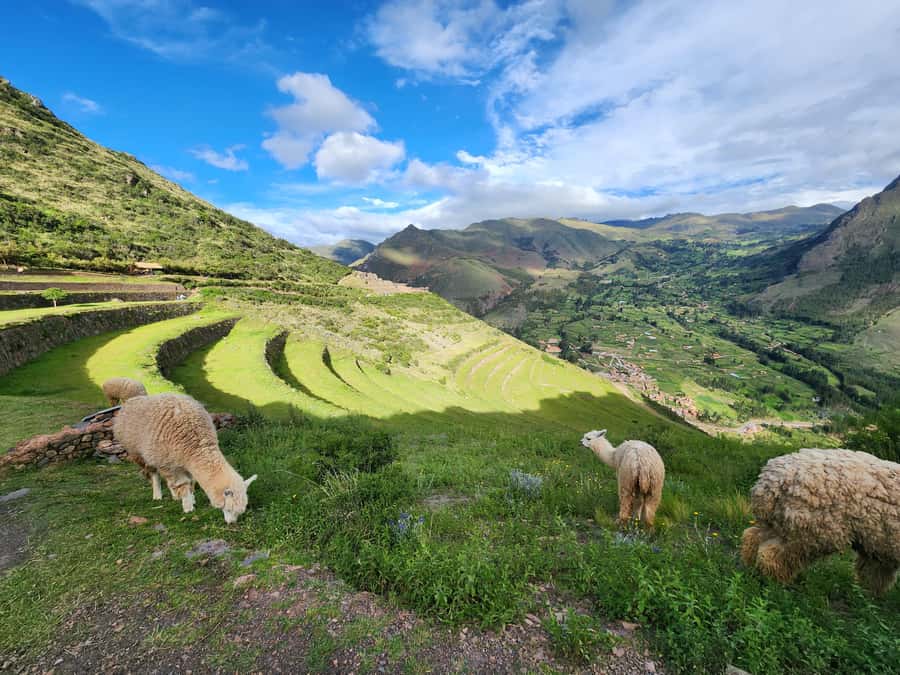
Pisac is a major archaeological site known for extensive Inca ruins, including terraces, tombs, and religious structures set in a dramatic mountainous backdrop. Even if you’ve never studied the site, you’ll recognize the scale quickly once you arrive.
Your visit includes a photo stop plus a guided visit set for about 30 minutes. That short time can still be enough to understand the layout—especially with a guide pointing out what you should focus on first.
Here’s the key consideration: Pisac is the last major ruins stop in the day. That means your experience depends heavily on timing and the site’s closing hours. Some feedback calls out a scenario where groups were pushed to the end of the allowed time, which can turn Pisac into a “see the highlights” moment rather than a relaxed exploration.
If you choose this tour, go in with the mindset of quick comprehension: pick a few features your guide points out and really look at them. Don’t try to cover every terrace. That’s how you get the most meaning out of limited time.
Also, don’t underestimate your energy at the end of the day. You’ll be walking in sun, and the last stop often feels the most tiring.
Price and Tickets: What Your $35 Covers, and What It Doesn’t
Let’s talk straight numbers. This tour costs $35 per person, and what you get for that price is:
- Hotel pick-up
- Van transport
- A professional guide (Spanish and English)
- Lunch buffet
What’s not included:
- A 70-soles tourist ticket
- An additional 20-soles entrance ticket to Maras
Those ticket costs matter for value. If you total your likely spending, your day isn’t just $35—it’s closer to $35 plus the local ticket purchases you need for the sites. Still, the guide and van are doing real work here. You’re not just paying to enter places; you’re paying to get moved between places and explained clearly while doing it.
When is it a good deal? If you want a guided, efficient overview of the Sacred Valley and you’d rather pay for logistics than solve them yourself. If you already have the tickets and you’re comfortable organizing transport and entry on your own, then the value question becomes more personal.
But for most people visiting Cusco for a short time, this is a practical way to cover the big stops without turning your day into a scavenger hunt.
Guide Quality: Why Bilingual Explanations Change the Day
One of the most praised parts of this tour is the guide. People highlight how guides explain the history and the reasons behind each site. Names that come up include Carlos and Henry, with comments focused on clarity and helpful context.
This matters because a lot of Sacred Valley sites can feel like “pretty rocks” if you don’t know what you’re looking at. With a strong guide, you get the story behind terracing, agriculture experiments, strategic town design, and the production logic of salt harvesting.
Also, because the guide works in both Spanish and English, the explanations can feel like they’re being delivered to everyone fairly. One comment notes the mental juggling of switching languages, but the overall point is that the explanation quality is still strong.
If you care about history and you want to leave the day understanding what connects these places, then this guide-led format is the heart of the experience.
Shopping Stops vs. Ruins Time: The Trade-Off You Should Expect
A few pieces of feedback point to an issue that you should keep in mind before you go: the schedule includes time at related craft or sales spots, like a weaving cooperative, and some versions may include additional shopping-style stops.
That isn’t automatically bad. Learning how weaving works can be genuinely interesting, and craft cooperatives can be part of the cultural experience. But it’s still time. If your priority is maximum ruin time, you may feel the trade-off.
So go prepared: enjoy the non-ruin stops quickly, use the time for questions, and refocus on the sites. Your best use of energy is to decide ahead of time what you want to learn at Moray and Pisac—then let the shopping time be a shorter side mission.
Who Should Book This Sacred Valley Day, and Who Should Skip It
This tour is a strong fit if:
- You’re in Cusco for a limited time and want the biggest Sacred Valley sites in one day
- You want a guide to connect the dots between Inca engineering, production, and town planning
- You prefer transport handled for you, plus lunch provided
- You’re okay with a faster pace and shorter site visits
You might want to skip or adjust expectations if:
- You want slow, in-depth exploring at every stop
- You hate shopping-style stops taking time away from ruins
- You’re sensitive to time pressure at the end of the day (Pisac can be timing-dependent)
Should You Book? My Practical Verdict
Book it if you want a guided “Sacred Valley highlights” day and you value efficiency. The combination of van logistics, bilingual guiding, and lunch buffet is a real convenience, and you’ll leave with a clearer picture of how the Inca world used agriculture, resources, and strategic towns—not just monuments.
Don’t book it if you’re craving a relaxed pace or deep solo exploring. This route is designed to cover ground, so you’ll get the most out of it by arriving with curiosity and a focus on understanding the big themes rather than trying to master every terrace detail.
FAQ
FAQ
How long is the Sacred Valley tour from Cusco?
It lasts 1 day.
Where do you get picked up, and where does the tour finish?
You’re picked up from your hotel in Cusco, and the tour finishes at Plaza Regocijo.
What is included in the price?
Hotel pick-up, van transport, a professional guide (Spanish and English), and a lunch buffet are included.
What tickets are not included?
You’ll need to budget for the 70-soles tourist ticket, and there is an additional 20-soles entrance ticket to Maras.
What languages does the guide speak?
The guide speaks Spanish and English.
How much time do you spend at each main stop?
The schedule includes: Chinchero about 1 hour, Moray about 30 minutes, Maras about 30 minutes, Ollantaytambo about 40 minutes, and Pisac about 30 minutes (plus photo stops and travel time).
What should I bring for the day?
Bring comfortable shoes, a hat, a camera, sunscreen, and water.
Are drones allowed?
No, drones are not allowed.