REVIEW · OLLANTAYTAMBO
From Cusco: Sacred Valley Group Tour with Buffet Lunch
Book on GetYourGuide →Operated by MPTC GETS · Bookable on GetYourGuide
A long Sacred Valley day starts early, then moves fast. This group tour strings together the big Inca stops in one tight circuit, with a guide who explains how Incan farming and salt mining worked, plus a Peruvian buffet lunch to keep you going. It’s a practical way to see a lot without planning logistics all by yourself.
I especially like the emphasis on how people lived: agricultural terraces at Chinchero and Moray, then the salt evaporation ponds at Maras. I also like that you get hotel pickup and a professional guide, so you can focus on the sites instead of navigating Cusco on your own.
The main drawback is the pace. With several stops packed into about 12 hours, you’ll want to accept that there’s less time to wander slowly than on a private tour.
In This Review
- Key highlights I’d prioritize
- A Full-Day Sacred Valley Route That Actually Makes Sense
- Morning Pickup in Cusco: What the 6:35–6:50 Start Means
- Chinchero: Rainbow Town and the Church of Our Lady of Monserrat
- Moray’s Experiment Platforms: The Micro-Climate Idea
- Maras Salt Mines (Salineras): Incan-Era Evaporation Ponds You Can See Up Close
- Urubamba Buffet Lunch: A Real Break Between Sites
- Ollantaytambo Fortress: Strategic Power in Stone
- Pisaq Before Returning to Cusco: Finishing Strong
- Price and Value: What $69 Includes and What You’ll Pay Extra
- The Right Fit: Who This Group Tour Will Suit Best
- Should You Book This Sacred Valley Group Tour?
- FAQ
- What time is hotel pickup for this tour?
- How long is the tour and when do you return to Cusco?
- Is lunch included?
- Are entrance fees included in the price?
- What languages is the guide available in?
- What should I bring?
Key highlights I’d prioritize
- Chinchero plus Andenería terraces, where Inca-style farming still shows up in the landscape
- Moray’s agricultural experimentation platforms, tied to the micro-climate theory
- Maras salt mines (Salineras) with salt evaporation ponds used since Incan times
- Urubamba buffet lunch included, a straightforward break during a long day
- Ollantaytambo fortress and Pisaq to round out the “how they ruled and worked” story
A Full-Day Sacred Valley Route That Actually Makes Sense
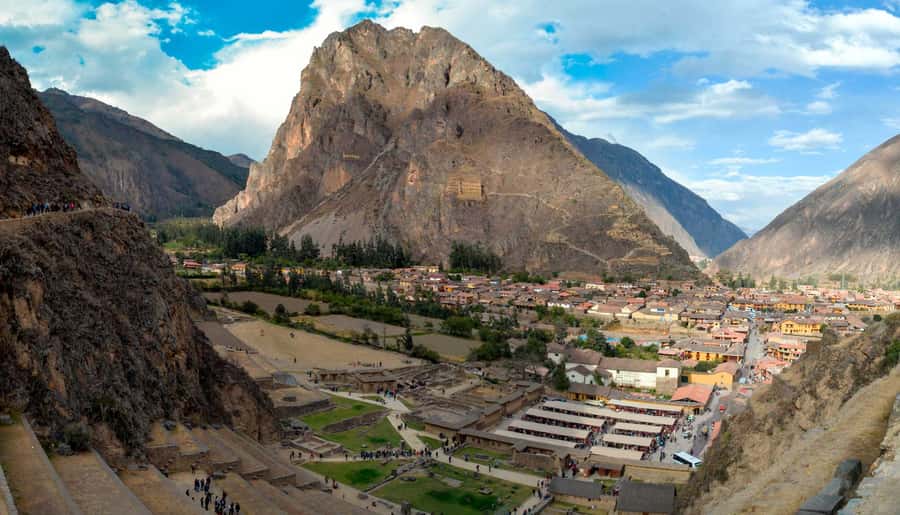
If your time in Cusco is short, this kind of tour is useful. You’re not just checking boxes. The itinerary is built around one theme: how the Inca managed land and resources. You start with agriculture (terraces and experiments), move to salt production, then end at strategic centers like Ollantaytambo.
This is also a good structure for altitude logistics and energy management. Rather than bouncing around town all day, you’re in one loop from pickup to drop-off, with a real meal break in the middle. At $69 per person, the core value comes from what’s already included: pickup, transport, a professional guide, and an Andean buffet lunch.
That said, you should go in with the right expectations. It’s not a slow, lingering day. It’s a “see the highlights with context” day.
You can also read our reviews of more tours and experiences in Ollantaytambo
Morning Pickup in Cusco: What the 6:35–6:50 Start Means
The day begins early, with pickup from your hotel between 6:35 and 6:50 am (and the pickup window for hotels is generally 6:30 am to 7:00 am). That timing matters because it helps you get to the Sacred Valley sites in daylight and avoid most of the late-morning crush.
Practically, that early start means you should treat the first part of the day like a sprint. You’ll want to be ready when the driver arrives, and you’ll likely spend the morning seated and moving. If your hotel is far or hard to access, the tour team will inform you one day before departure.
The tour duration is listed as 12 hours, and you’ll return to Cusco at 7:00 pm. So plan for a full-day commitment—this is not the kind of outing you can pair with another activity afterward.
Chinchero: Rainbow Town and the Church of Our Lady of Monserrat
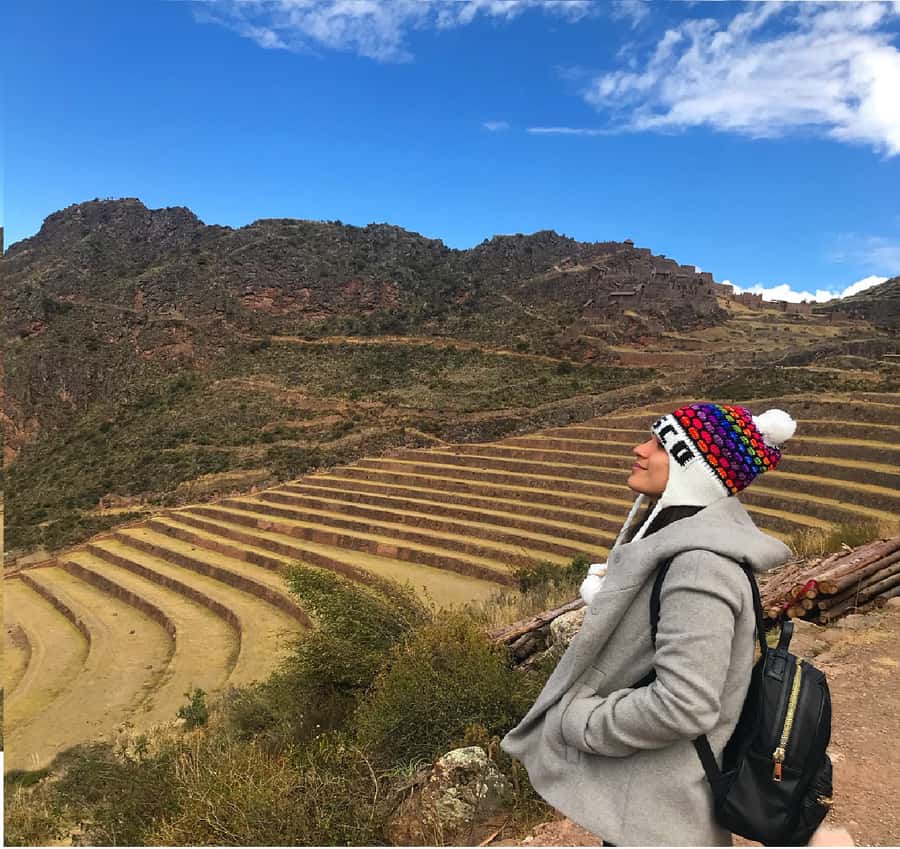
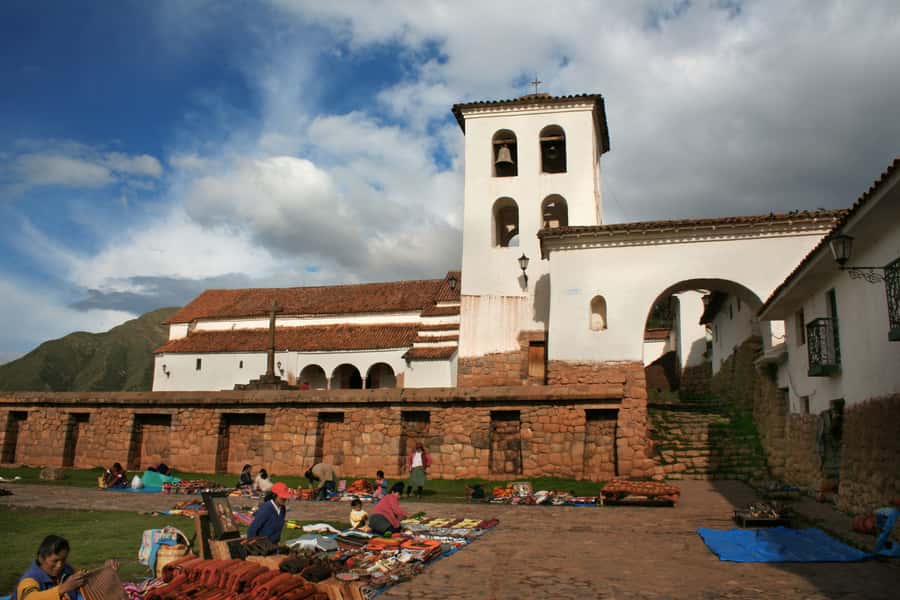
Chinchero is often the first stop people remember because it feels like a little world of its own. The tour frames it as the city of the rainbow, and the site visit gives you a mix of cultural and agricultural context.
You’ll visit the Church of Our Lady of Monserrat and then move on to the Andenería agricultural terraces. This combination is smart. The church gives you the social and religious layer, while the terraces connect you to the practical layer: how people grew food in the Andes.
Why terraces matter here: terraces aren’t just scenery. They’re about shaping slopes into workable land—controlling water, reducing erosion, and making cultivation possible across difficult terrain. When your guide ties what you’re seeing to Incan agricultural processes, it turns a quick stop into a real lesson you can carry forward to the next sites.
One note: if you’re the type who loves free time to roam at your own pace, Chinchero may feel like a stop-through rather than a long hang. The tour is built for efficiency.
Moray’s Experiment Platforms: The Micro-Climate Idea
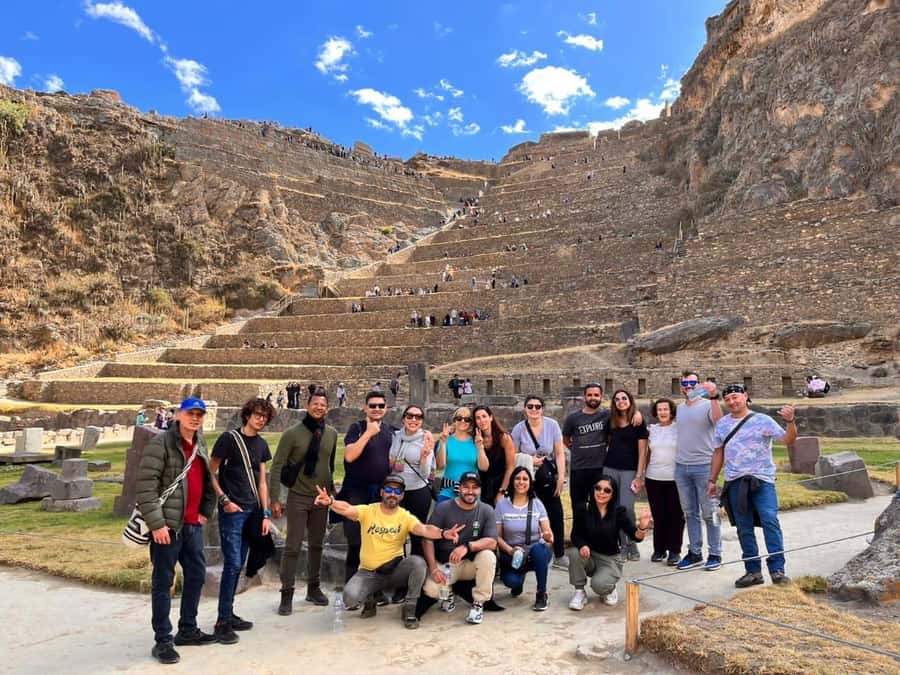
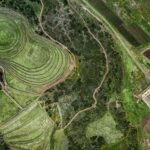
Next comes Moray, with its famous agricultural experimentation platforms. The tour specifically connects Moray to the theory that the Incas created their own micro-climate.
Here’s what makes Moray interesting even if you’ve never studied Inca agriculture. The area shows how environmental conditions can be tested and managed. Different platform levels suggest different temperatures and growing conditions. Even if you don’t go deep into climate science, you’ll get the point: this wasn’t random farming. It was experimentation—using place and structure to influence what crops could do.
As with the other stops, you’ll be on a schedule. The value is that you’re shown the logic while you’re there, not after the fact. If you like learning while you travel (and you don’t want to read a textbook on your phone), this is the kind of stop that fits.
Potential consideration: Moray is an agriculture-focused site, so if you’re expecting pure ruins at every turn, this portion may feel different. It’s more about systems and testing than monumental fortifications.
Maras Salt Mines (Salineras): Incan-Era Evaporation Ponds You Can See Up Close
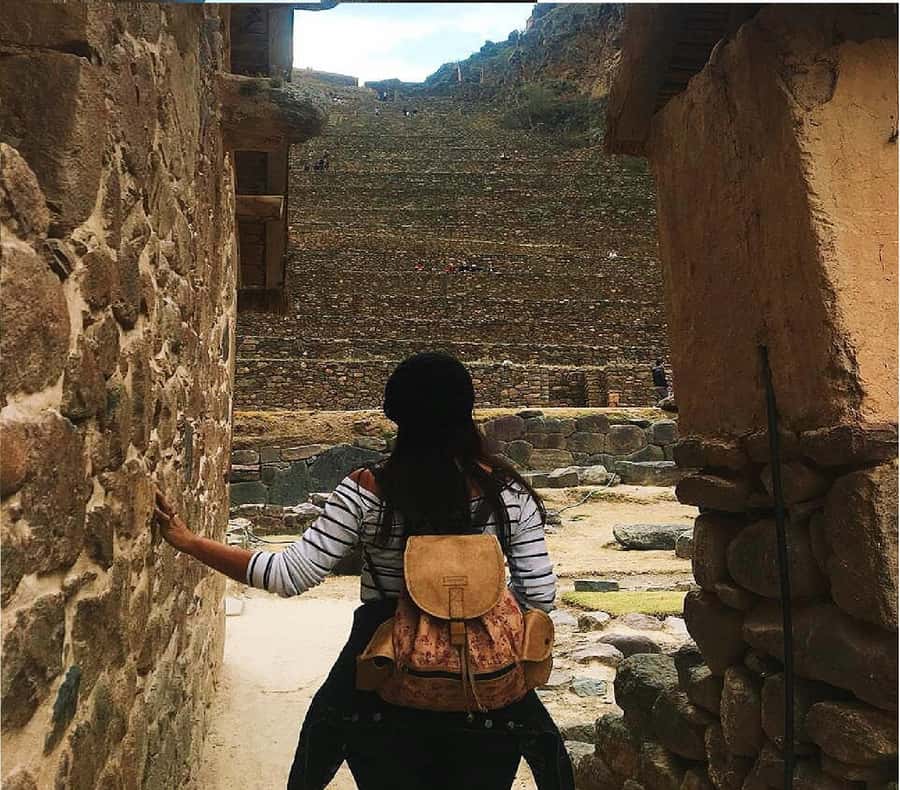
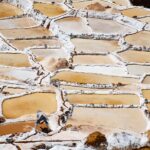
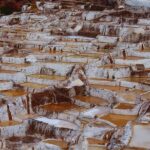
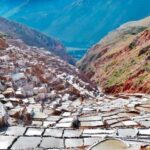
Then the tour shifts to salt, and it’s a big theme for the region. At Salineras, you’ll see salt evaporation ponds that have been in use since Incan times.
This is one of the most visually distinctive moments in the day because the production process is visible. You’re not imagining a craft—you’re standing near the system. The tour also positions this stop as part of the bigger story: Incan salt mining and the agricultural economy that depends on resources.
Salt was historically valuable for preserving food and supporting trade. So when your guide explains how the system works, it helps connect Maras to everything you saw earlier. Agriculture needs inputs, and salt production was part of how the Andes economy functioned.
Practical tip for your comfort: this is a longer day, and you’ll likely do some standing and walking on uneven ground. Wear shoes you trust and don’t plan on spending the whole afternoon in sandals.
Also, remember entrances aren’t included here. The activity lists Salineras entrance as an extra 10 soles. You’ll want to budget for that upfront.

Urubamba Buffet Lunch: A Real Break Between Sites
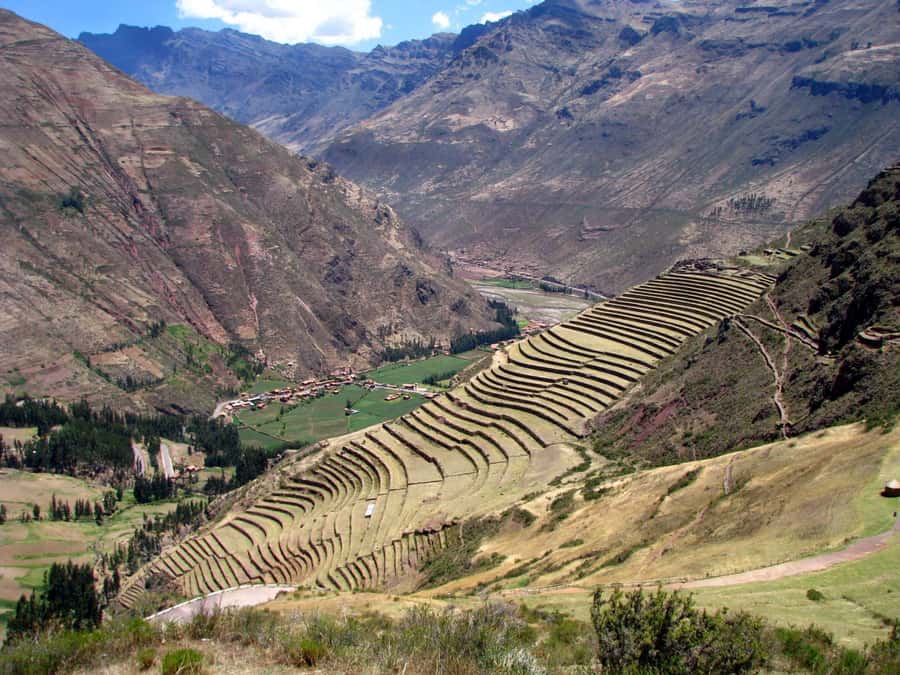
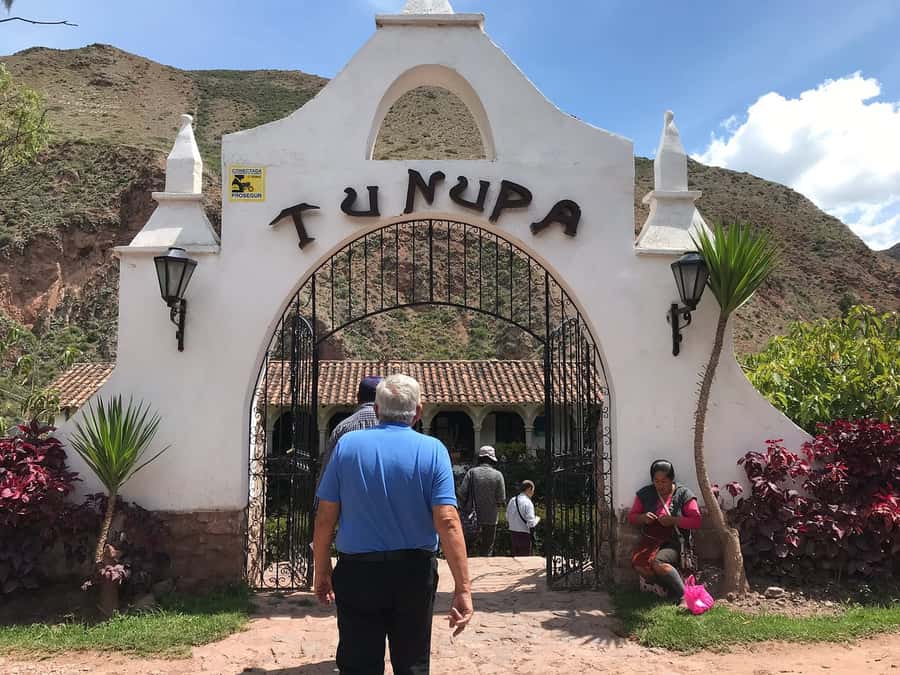
After the salt mines, you head to Urubamba, where lunch is included. The tour calls it an Andean buffet lunch with authentic Peruvian cuisine, and it’s a genuine morale booster in a day like this.
Why the lunch stop matters: it breaks the rhythm. You get off the bus, eat without hunting for food, and reset before you go into the later ruins and fortifications. If you’ve ever done half-day tours, you know how quickly food becomes an afterthought. Here, it’s built in.
The included buffet is also a value point. You’re paying $69 for a guided circuit, and you don’t have to add a separate restaurant plan at lunchtime. That’s especially helpful if you don’t speak Spanish well or if you’d rather not gamble on finding something that works at midday.
A small caution: because it’s a buffet and you have a schedule, you may not get the most leisurely dining experience. Still, the overall setup is one of the easier wins on this tour.
Ollantaytambo Fortress: Strategic Power in Stone
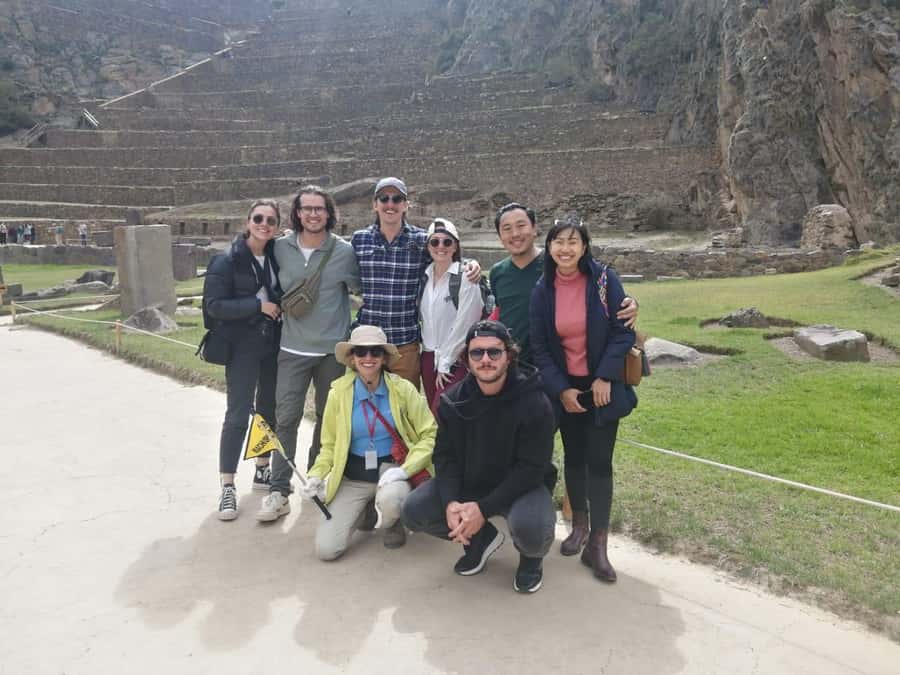
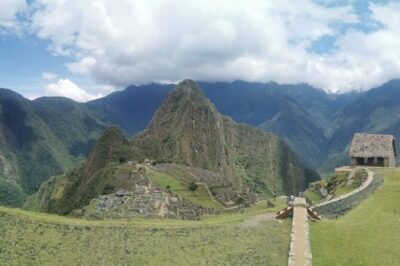
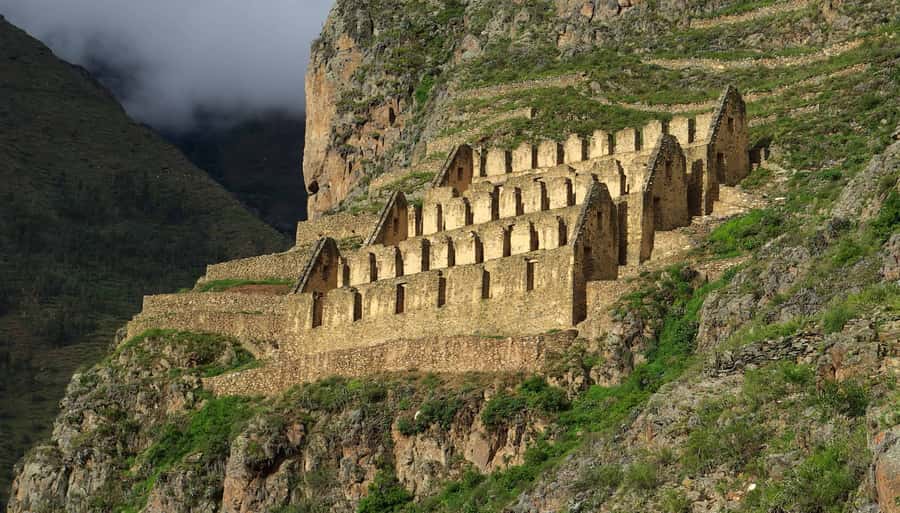
After lunch, the tour goes to Ollantaytambo, described as a strategic military, agricultural, and religious center. That triple purpose is the key. This isn’t just a pretty fortress. It’s a place designed for multiple roles in one setting.
Ollantaytambo tends to hit different for different kinds of visitors. If you love fortifications, it reads as a defensible stronghold. If you’re tracking the tour theme, it reads as part of the Inca system for managing land and community life.
Your guide’s job matters a lot here. With a good explanation, you start recognizing how location, structure, and the needs of a community connect. Without that context, you can still see impressive stonework, but the place loses some meaning.
Even with the guide, you should expect time to be more structured than free-roaming. The day is building toward Pisaq and then the return to Cusco by 7:00 pm.
Pisaq Before Returning to Cusco: Finishing Strong
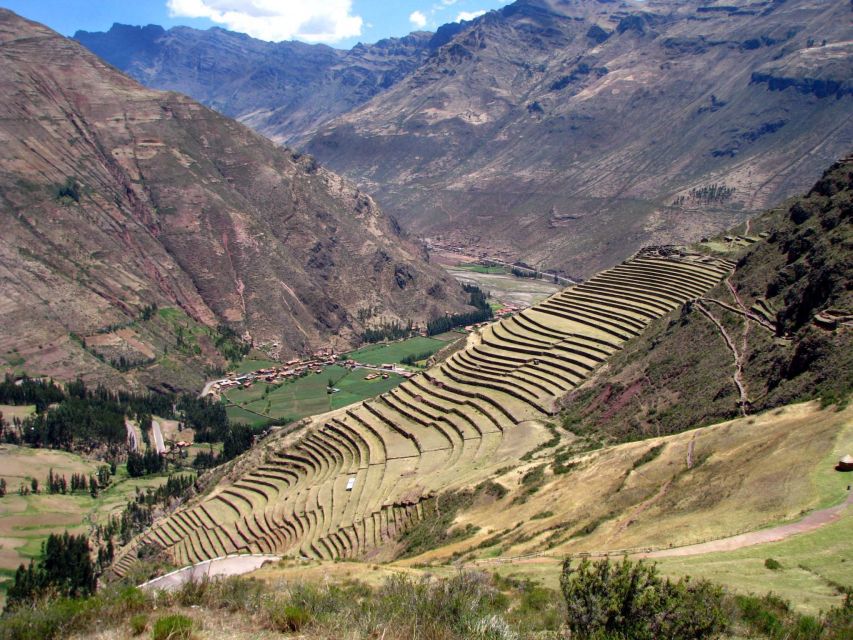
The last named stop before heading back is Pisaq. The itinerary positions it as a final site in the loop, giving you one more layer of what the Sacred Valley region offered.
Even if you’re not studying the details on the fly, Pisaq is a strong closer because it fits the tour theme of places tied to how people organized life in the Andes. By this point, you’ll have seen agriculture (terraces and experimentation) and production (salt mines), so Pisaq feels like another chapter rather than a random add-on.
Then you’re back on the road to Cusco, arriving by 7:00 pm. It’s a long day, but the route gives you a clear through-line and a solid “greatest hits” feel.
Price and Value: What $69 Includes and What You’ll Pay Extra
Here’s the math that matters for most people.
Included in the $69 price:
- hotel pickup
- tourist transport
- professional guide
- Andean buffet lunch
Not included:
- Entrance to the Sacred Valley: 70 soles
- Entrance to Salineras: 10 soles
So your total cost will depend on entrances. The price is still competitive because lunch, transport, and guiding are already bundled. If you’re trying to make the day easy—one pickup, one guide, one schedule—that $69 does a lot of work.
What I’d do if I were budgeting: plan to set aside extra cash for the entrances listed above. Also, because you’re paying for multiple entry points, I’d bring a bit more than the minimum so you’re not stuck when you’re tired.
The Right Fit: Who This Group Tour Will Suit Best
This tour is a strong match if you want:
- a single-day highlights circuit without planning each site
- context on Incan agriculture and salt production
- a guided experience that keeps you oriented between stops
- an included meal, not a lunch hunt
It may be less ideal if you:
- hate early mornings and want a late start
- prefer slow travel and long, quiet wandering
- expect a fully flexible schedule (this is a set route)
There are also clear rules on suitability. It’s not suitable for pregnant women and for people over 95 years, based on the tour’s operating guidelines.
You should also bring your passport, since the activity lists it as required.
Should You Book This Sacred Valley Group Tour?
I’d book it if you’re in Cusco for a short window and you want the Sacred Valley explained in a practical way. The tour’s biggest strength is its theme: agriculture and resources first, then the fortress and cultural sites. Add the pickup, the guide, and the included buffet lunch, and the day becomes an efficient use of time.
I’d think twice if you’re sensitive to time pressure. The itinerary is built for seeing multiple highlights in one pass, which means less room for drifting. And you’ll need to budget for entrances that are not included.
If you like structure with good context, this is a worthwhile way to experience the Sacred Valley without turning your vacation into a spreadsheet.
FAQ
What time is hotel pickup for this tour?
Pickup is included from your hotel, typically between 6:35 and 6:50 am. The pickup window can be 6:30 am to 7:00 am, and if your hotel is far or difficult to access, you’ll be informed one day before departure.
How long is the tour and when do you return to Cusco?
The tour duration is listed as 12 hours, and the return to Cusco is at 7:00 pm.
Is lunch included?
Yes. Lunch is an Andean buffet included on the tour.
Are entrance fees included in the price?
No. Entrance to the Sacred Valley (70 soles) and entrance to Salineras (10 soles) are not included.
What languages is the guide available in?
The live tour guide is available in English and Spanish.
What should I bring?
You should bring your passport.