REVIEW · CUSCO
Excursion + Sillar and Culebrillas Route in Arequipa
Book on GetYourGuide →Operated by Inspires Viagens · Bookable on GetYourGuide
Stone, canyon, and volcano views—fast. This 4-hour excursion pairs the Sillar Route quarries with an active stop at Añashuayco and then sends you into the Culebrillas canyon, where the walls climb and you can spot Wari petroglyphs. I also like the chance to see stonework up close, including a mega carving created by the stonemasons themselves, plus the possibility to try cutting a block. One thing to keep in mind: timing can be a bit slow if the group has to wait, and the transport may not have air conditioning.
You’ll start in Arequipa and do a tight, scenic loop: viewpoint over the volcanoes and the Chilina Valley, a quarry stop reached about 45 minutes after leaving, then the canyon, and finally back near Plaza de Armas around 1:30 pm (or a 2:00 pm shift). I like that the tour is run with a professional guide, and the focus stays on real places—working quarries, not just photo stops.
Plan for one extra cost: entrance tickets for the sites are not included and are listed as 10 soles. If you prefer very fast pacing with no waiting, it helps to arrive with a little buffer energy—this one can run slightly behind when the group is assembled.
In This Review
- Key things I’d focus on before you go
- How the 4-hour loop flows (and why it works)
- First stop: volcano viewpoints and the Chilina Valley framing
- Añashuayco Quarry: sillar production, mega carving, and hands-on stonework
- Culebrillas canyon walk: water-carved walls and Wari petroglyphs
- Apachetas on the return: gratitude stones and good-luck meaning
- Price and transport: what you really pay (and what you should bring)
- Who this Sillar + Culebrillas route suits best
- Should you book this tour?
- FAQ
- How long is the Sillar and Culebrillas excursion?
- What’s included in the price?
- Are entrance tickets included?
- What language is the guide available in?
- Where do you get dropped off at the end?
- Can I cancel if my plans change?
Key things I’d focus on before you go
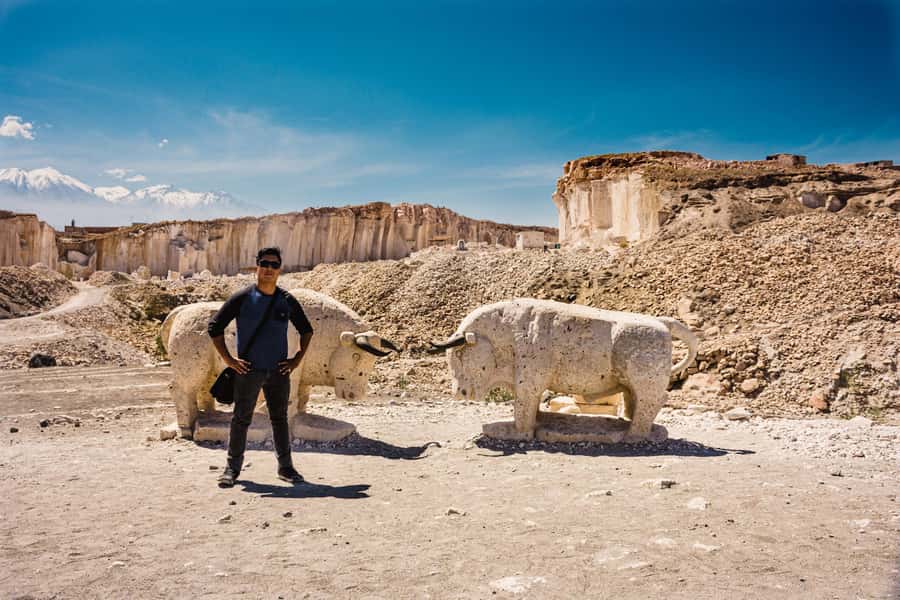
- Active Añashuayco Quarry: you’ll see ongoing work and hear the story of how sillar is produced and used.
- Mega carving by local stonemasons: a large church carving made by the quarry workers themselves.
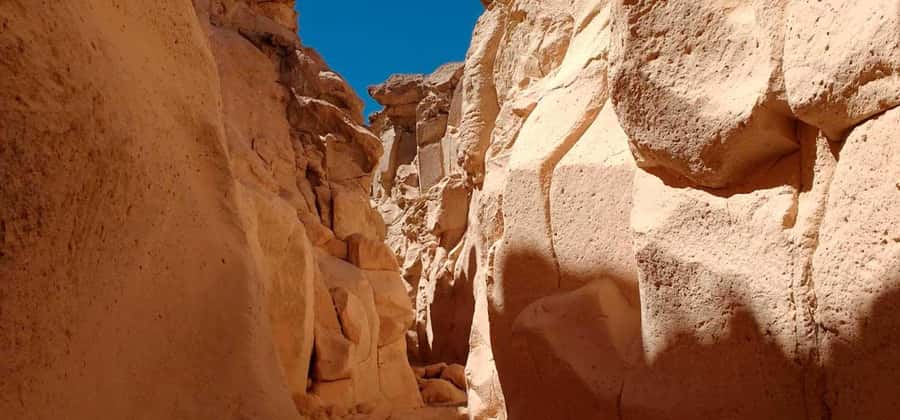
- Culebrillas canyon walk: about 20 minutes inside the canyon, with walls about 15–20 meters tall that grow as you go deeper.
- Wari petroglyphs: you’ll reach the section where these rock markings appear after the walk.
- Apachetas on the return: stone piles linked to gratitude toward nature and good luck, with a strong sense of place.
How the 4-hour loop flows (and why it works)
This tour is built for people who want the best parts of Arequipa’s stone world without turning the day into a long grind. The total time is about 4 hours, and the schedule is tight: you’re out early, you hit the quarry before it gets too crowded, you walk the canyon, then you’re back in the center near Plaza de Armas.
You’ll get picked up via tourist transport, and you’re not left to navigate between scattered sites on your own. That matters here because the important stops are spaced out, and the route is more about moving between viewpoints, quarries, and the canyon than about lingering in one single spot.
Timing also helps the experience feel real. At Añashuayco, the quarrymen start work very early, so you’re not just looking at a finished monument—you’re seeing living production. That’s the kind of detail that makes “stone tourism” feel more like you’re watching a craft than checking boxes.
The main downside is simple: if your group has members missing at pickup, you may wait before departure. And the transport experience can vary; one reported issue is that the bus may not have air conditioning. If you’re sensitive to heat, bring water and plan your tolerance accordingly.
You can also read our reviews of more tours and experiences in Cusco.

First stop: volcano viewpoints and the Chilina Valley framing
You begin around 09:15 am with a drive toward the Sillar Route, described as a place where history and living culture meet. Before you reach the quarries, there’s a short strategic stop at a viewpoint where you can look toward the volcanoes and the Chilina Valley.
Depending on the time of year, the tour may swap in another traditional viewpoint first. Either way, the point is the same: you get context for what you’re about to see. When you can scan the valleys and volcanos in the distance, the quarry walls and stonework don’t feel random. They start to look like part of the land’s story—crafted from what’s around you.
This first phase is also good for pacing. It’s not yet the walking or the quarry activity, so it’s a chance to settle in, take photos, and get your bearings before the work details start.
If you’re traveling with a camera, this is a smart moment to use it. Light can change quickly in the hills around Arequipa, and having a pre-quarry viewpoint early in the morning gives you more options for the rest of your shots.
Añashuayco Quarry: sillar production, mega carving, and hands-on stonework
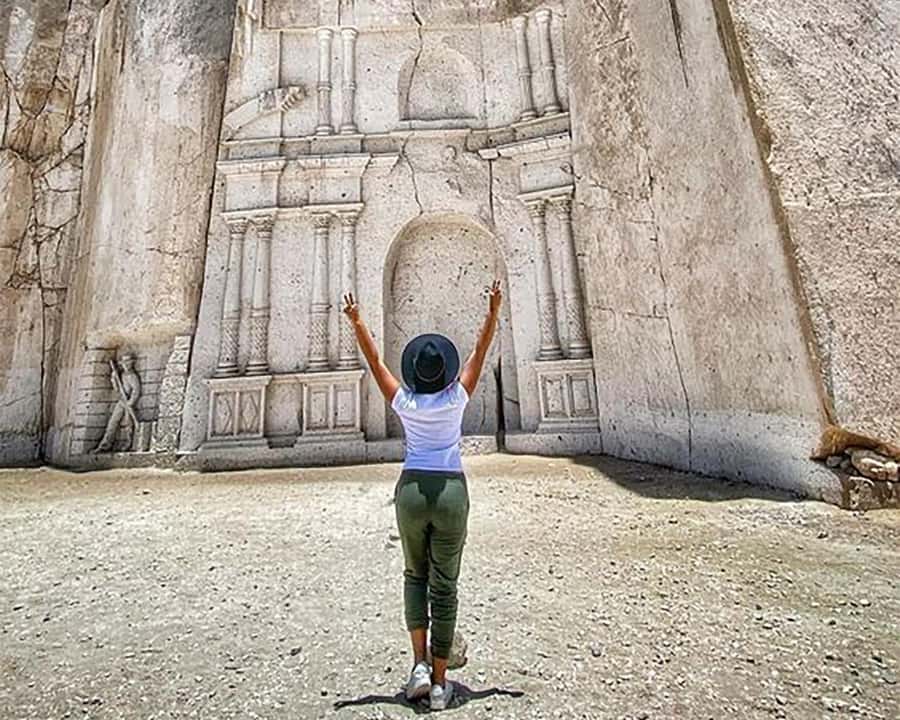
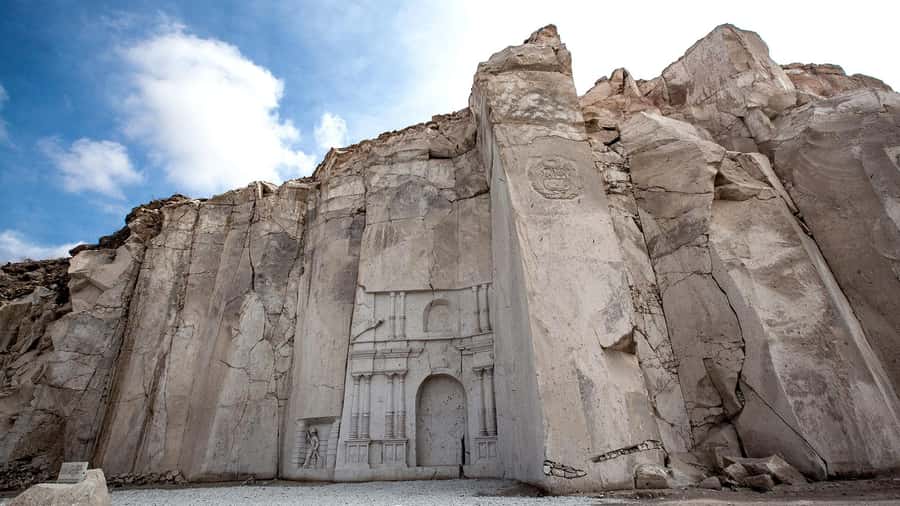
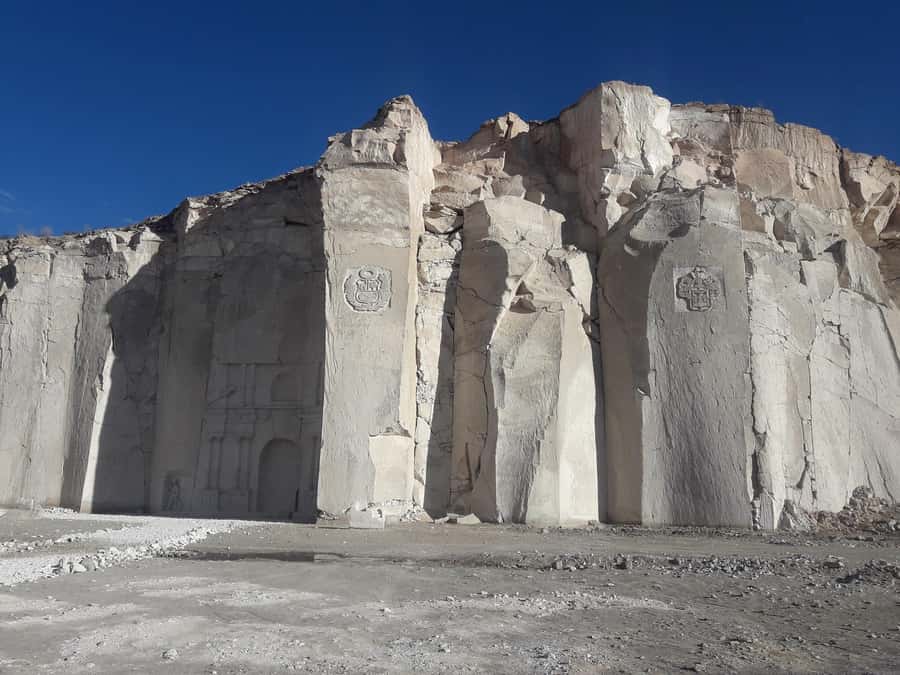
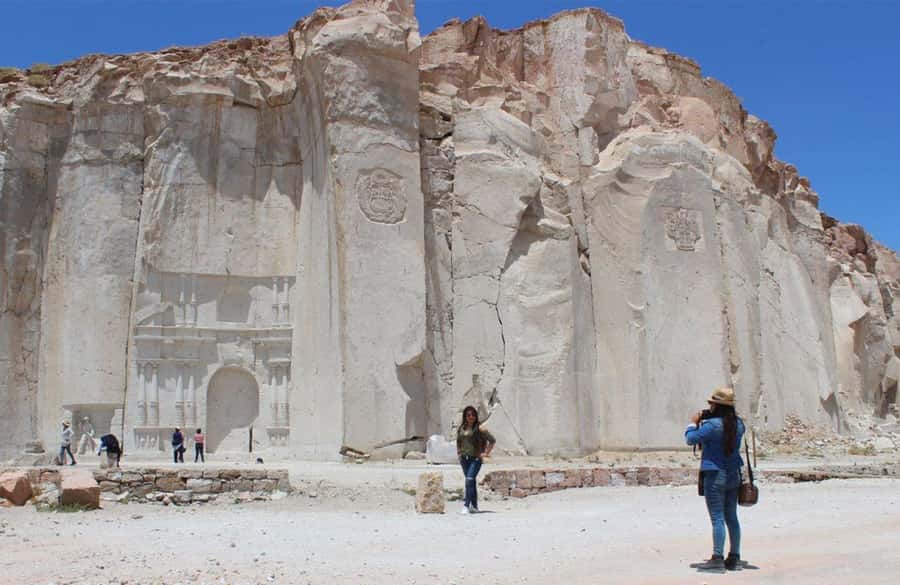
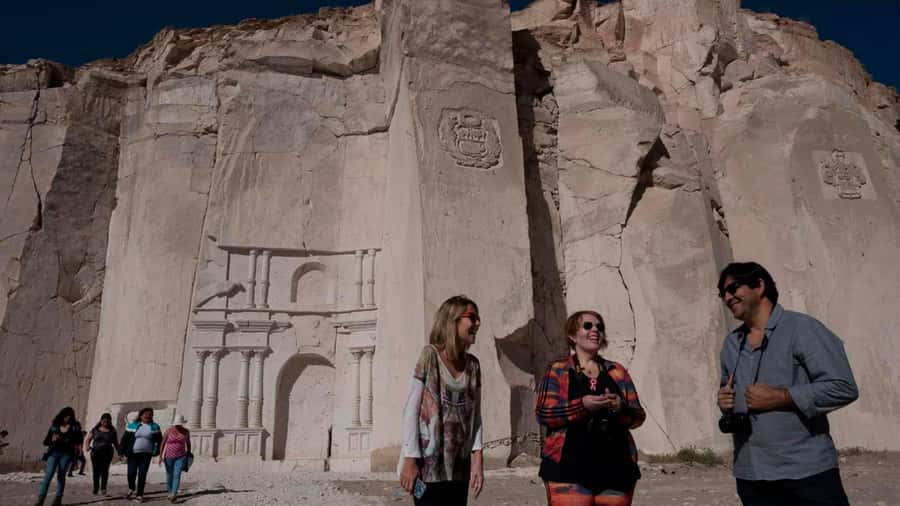
About 45 minutes after leaving Arequipa, you reach the Añashuayco Quarry. This is an active quarry, and that’s a big deal. You’ll see an immense canyon-like area with imbrimbrite walls—cliffs formed by the extraction used to produce sillar.
At this stop, the guide focuses on three practical ideas: the history of sillar, how it’s produced, and how it’s been used over time. You’ll also be shown the quarry setting where the craft happens, not just where the final stone ends up.
One of the most memorable details is the Mega carving of the Church of the Society of Jesus. It’s not described as a decorative afterthought. The carving is said to be made by the stonemasons themselves, so it feels like a work of skill that grew out of the same daily labor as the blocks.
Even better, you may get a chance to visit one of the quarrymen so they can explain their daily work. And there’s an optional-style element here: you can experience cutting one of the stone blocks yourself. Even if you only do a small try, it changes how you see the whole process. Stone goes from “material” to “work.”
Two things to consider before you go:
- You’re in a quarry environment, so expect uneven ground and dusty air. Comfortable shoes matter.
- This segment can be intense if you prefer calm, museum-like settings. Here, you’re watching an industry in motion.
Culebrillas canyon walk: water-carved walls and Wari petroglyphs
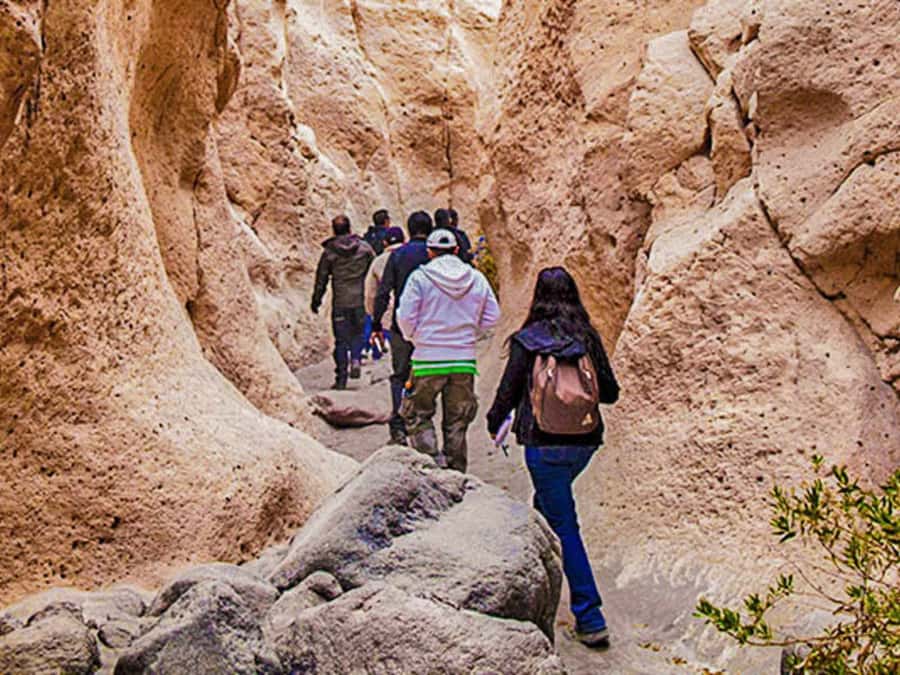
Next you travel about 30 minutes to the Quebrada de Culebrillas. Upon arrival, the walk goes on for roughly 20 minutes inside the small canyon created by the passage of water.
The canyon walls are described as about 15 to 20 meters tall, and as you walk deeper, the walls increase in height. That gradual “getting boxed in” effect makes the canyon feel more dramatic than a quick photo stop would.
Then comes the reason many people sign up: at the far end of the walk, you’ll be able to see petroglyphs made by the Wari culture—described as more than a thousand years old. This is where the tour becomes more than geology and craft. You’re standing where ancient communities left marks, and the canyon becomes a kind of natural frame for that evidence.
For your enjoyment, keep your pace steady and listen for the guide’s orientation. Petroglyphs can be easier to find when you know what you’re looking for. The guide’s job here is key—don’t rush; just follow the route and take time to look.
If you don’t like short walks in uneven terrain, this is still manageable for most people (it’s only about 20 minutes), but you’ll want shoes with grip. Also, plan to bring water since you’ll likely be outside for much of the route.
Apachetas on the return: gratitude stones and good-luck meaning
Before heading back to Arequipa, the tour includes a stop to observe Apachetas—stone formations built one on top of another. These are described as symbols of gratitude toward nature and also an attraction of good luck.
This part is quick compared to the canyon walk, but it adds meaning. The route has been about human work with stone—quarrying, carving, and cutting. Then apachetas shift the focus to stone as a cultural offering. You start seeing stone not just as something people extract, but as something people use to communicate with their environment.
The guide also notes that apachetas can provoke a mystical sensation. You don’t need to force a belief to appreciate the feeling; sometimes a tradition feels powerful simply because it’s physical. You’re looking at piled rock that has been placed with intention.
Take a moment here even if you’re eager to get back. This stop is short, but it’s one of those “quiet” moments that makes the whole route feel more grounded in place.


Price and transport: what you really pay (and what you should bring)
The price is listed as $14 per person for the excursion. What’s included is the tourist transport and a professional guide. That combo is where the value is: you’re paying to move between the viewpoint, quarry, and canyon without planning the logistics yourself.
What’s not included is entrance ticket cost, listed as 10 soles for the sites. So when you budget, plan on adding that amount on top of the tour price. If you prefer to avoid last-minute hassle, make sure you have the right cash.
Transport quality is the only variable I’d flag. One reported drawback is that the bus didn’t have air conditioning. That doesn’t mean it’s always like that, but it’s enough of a real-world note to treat as possible. If you know you run hot, pack water and wear breathable layers.
Finally, there’s a helpful detail for planning your day: you’ll do a 09:15 am start, and there’s also a 2:00 pm shift. If you like mornings for clearer views and cooler walking, choose the 09:15. If you want a later start and you’re arranging other plans earlier in the day, the 2:00 pm option gives you flexibility.
Who this Sillar + Culebrillas route suits best
This tour fits best if you like three things: active sites, short walks, and clear storytelling. The quarry portion is hands-on and real-world, with the mega church carving and the chance to meet or at least learn from the quarry workers. The canyon adds the natural drama, and the Wari petroglyphs add an ancient human layer.
It’s also a good fit if you’re staying in central Arequipa and want to end near Plaza de Armas. The schedule returns you around 1:30 pm on the 09:15 shift, so you can keep the rest of your afternoon for another neighborhood or meal.
If you’re the type who hates any waiting time at all, you might find the group assembly moments annoying, since one account mentioned delays while waiting for group members. And if you’re strongly dependent on air conditioning for comfort, bring that into your decision because transport may be warm.
Should you book this tour?
I’d book it if you want a focused Arequipa experience that connects sillar production, monumental stone carving, and a canyon walk with ancient rock art, all in about 4 hours. The value is strong because transport and a professional guide are included, and the stops aren’t just scenery—they’re places where stone work and cultural meaning happen.
Skip or consider another option if you’re sensitive to heat or you absolutely can’t handle any start delays. Also, remember the 10 soles entrance cost so you’re not surprised when you arrive.
If this sounds like your kind of Arequipa—work, stone, and views—this route is a smart way to spend half a day.
FAQ
How long is the Sillar and Culebrillas excursion?
It lasts about 4 hours. The 09:15 am shift runs back to Arequipa around 1:30 pm, and there’s also a 2:00 pm shift.
What’s included in the price?
The tour includes tourist transport and a professional guide. Entrance tickets for the sites are not included.
Are entrance tickets included?
No. Entrance tickets are listed as 10 soles.
What language is the guide available in?
The tour is offered with a live guide in Spanish and English.
Where do you get dropped off at the end?
You’re dropped off near Plaza de Armas in Arequipa.
Can I cancel if my plans change?
Yes. You can cancel up to 24 hours in advance for a full refund.