REVIEW · SALKANTAY & ANDEAN TREKS
Excursion: Explore in one day the 7 lakes of Ausangate from Cusco
Book on GetYourGuide →Operated by Machupicchu Travelers · Bookable on GetYourGuide
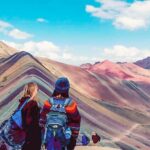
Seven lakes, one long Andean day. This is a full 12-hour taste of the high Andes: a hike toward the 7 lakes of Ausangate with snow-capped views, plus a finish at Pacchanta hot springs where you can thaw out your legs. I love how the lagoons shift color as you walk, and I love the way Ausangate dominates the horizon even when the trail is steep. The main drawback is altitude: the lakes sit above 4,600 meters, so you need real acclimatization and a steady pace.
From Cusco you’ll roll out very early (around 4:00 a.m.), ride to Pacchanta, eat breakfast, then spend several hours hiking before lunch and hot springs back in the community. I also like that the tour includes a first aid kit and an oxygen bottle—small comfort, but useful at this height. Plan to dress for cold mornings and bring the right shoes, because this is not a stroll.
In This Review
- Key highlights that make this day trip worth it
- From Cusco’s 4 a.m. pickup to the van ride that earns its keep
- Pacchanta breakfast: fuel for 4,600+ meters
- The Sendero de las Siete Lagunas: how the hike is paced
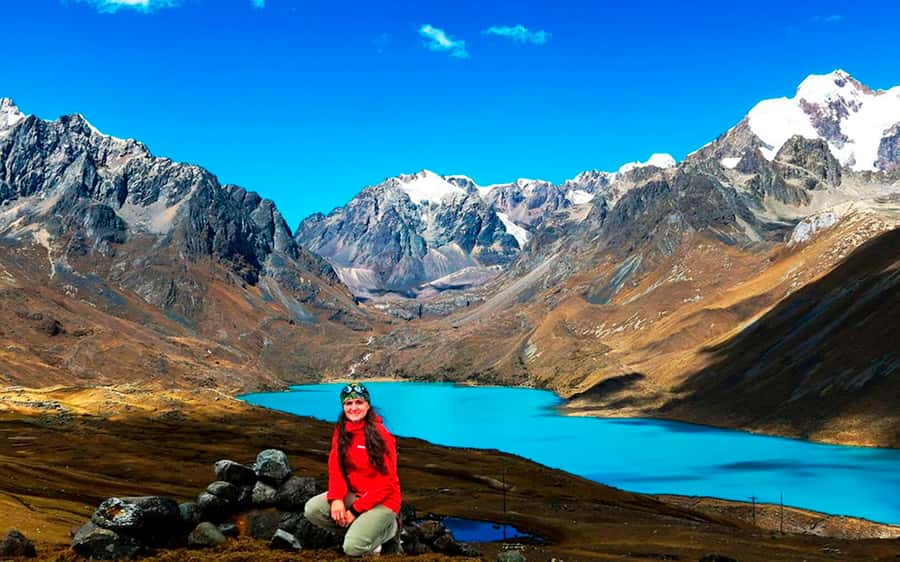
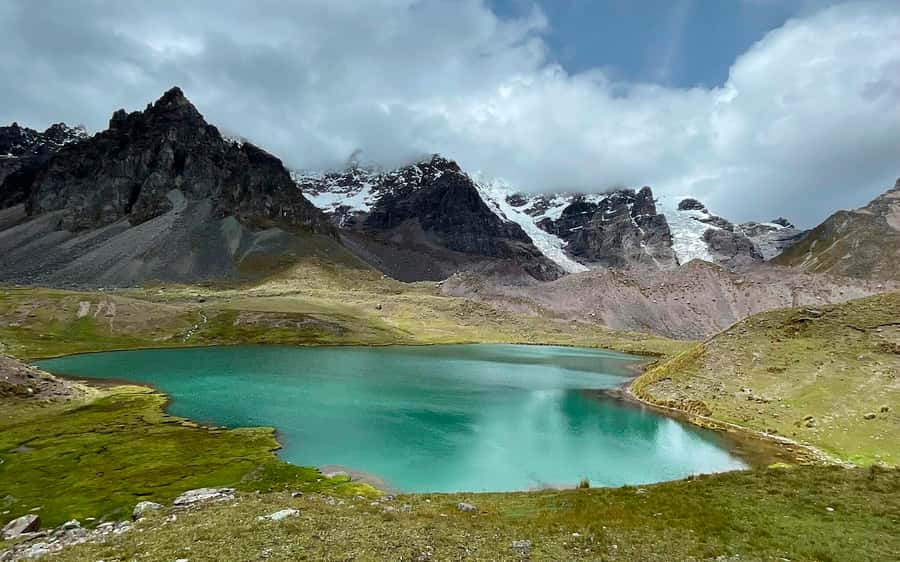
- Seven lagoons with names you can remember (and colors you’ll notice)
- The photo stop window: where you can breathe and shoot smarter
- Lunch in Pacchanta: simple, community-style, and practical
- Pacchanta hot springs: the recovery you came for
- Price and value: $35 plus a key extra cost (30 soles)
- Altitude and gear checklist for 4,600+ meters
- Who should book this day hike from Cusco?
- A smooth pickup strategy for the early-morning crowd
- Should you book it?
- FAQ
- What time does the tour start in Cusco?
- How long is the excursion?
- What is included in the price?
- Are entrance fees included?
- Which lagoons are visited?
- How much hiking time should I expect?
- How high is the hike?
- What should I bring?
- Is the tour suitable for everyone?
Key highlights that make this day trip worth it
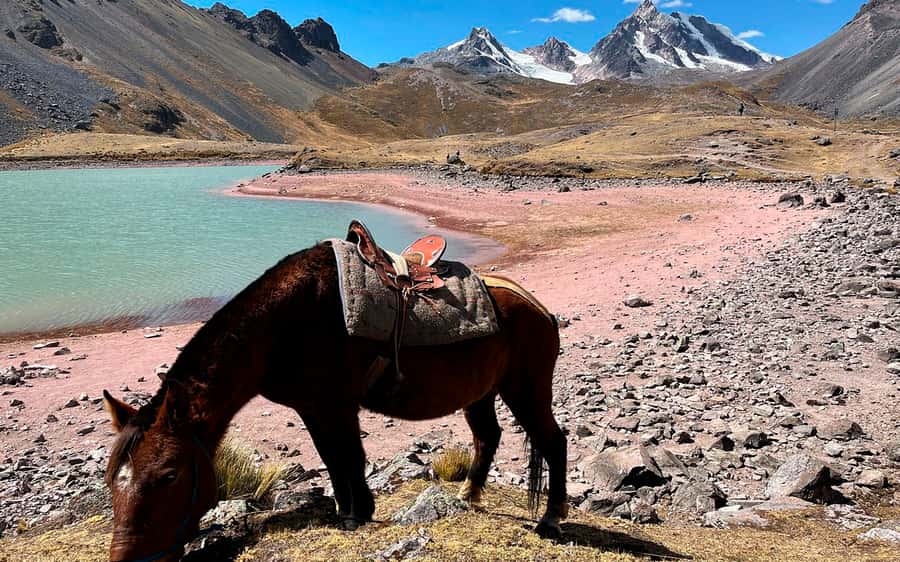
- Early start that gives you better light and calmer trails
- Seven-lagoon walk with named stops like Comercocha, Patacocha, and Q’omercocha
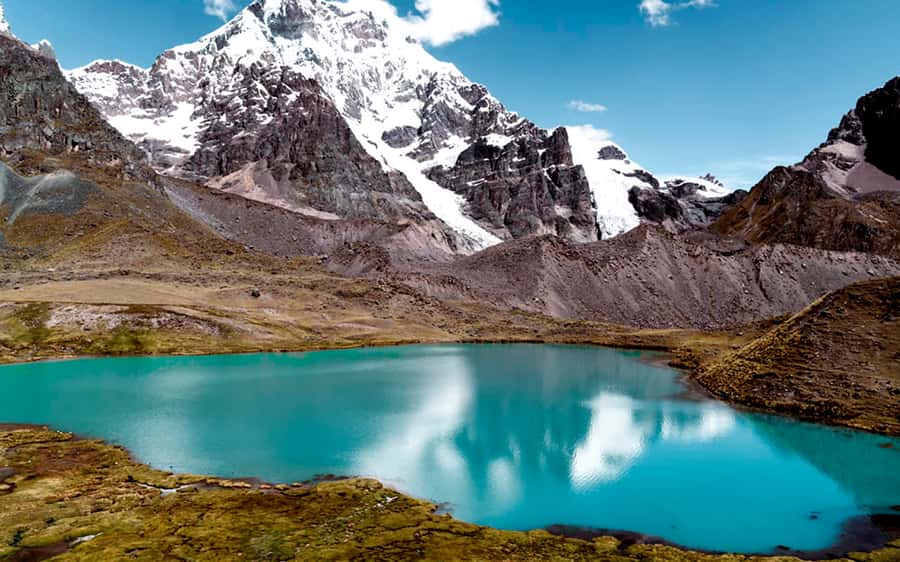
- Lagoons with changing colors, often described from turquoise to emerald green
- Pacchanta thermal baths with panoramic Ausangate views
- Meals and support included (breakfast, lunch, guide, oxygen bottle)
From Cusco’s 4 a.m. pickup to the van ride that earns its keep
This tour starts early, usually around 4:00 a.m. Pickup is from your hotel area in Cusco, then you’re loaded into a van for about 3.5 hours toward Pacchanta. Why so early? The high Andes are cold in the morning, and getting out before the day warms up often makes the hike feel more manageable.
You’ll want to use the ride time smart. If you’re coming off a short rest, try to sleep sitting upright. The higher you go, the slower your body works, and a little extra rest helps you move with less fuss.
One practical note from real-world timing: mornings can be tight. In one case, the arrival window stretched and the guide name didn’t match what was shared in advance, with the situation fixed after calls. So I suggest you keep your phone handy, confirm the pickup day before, and don’t assume the first message will be identical to what you see that morning.
You can also read our reviews of more tours and experiences in Cusco
Pacchanta breakfast: fuel for 4,600+ meters
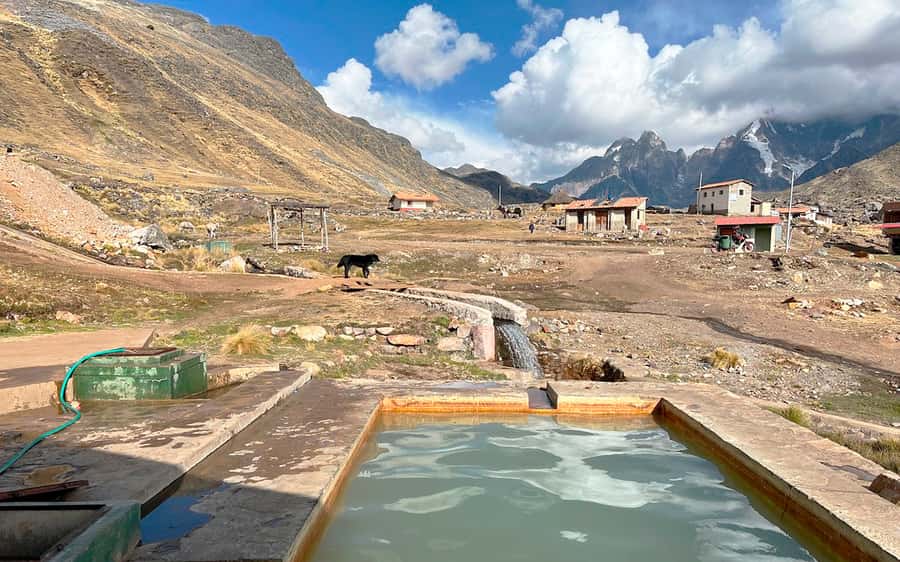
After the van, you’ll arrive in Pacchanta (the community is sometimes spelled Pajchanta in tour materials). You get a traditional Andean breakfast for around 30 minutes. This matters because the trail starts soon after, and altitude makes even simple effort feel heavier.
Eat like you mean it, but don’t overdo it. You want warm, filling fuel that won’t sit in your stomach for hours. If you usually get stomach issues while traveling, keep it simple—coffee or tea if they offer it, plus the bread-and-carb basics that keep energy steady.
You’re also taking in the first dose of the high-country feel here. Even before you hike, you can often sense the cold, the open air, and how quickly conditions can change as the light shifts.
The Sendero de las Siete Lagunas: how the hike is paced
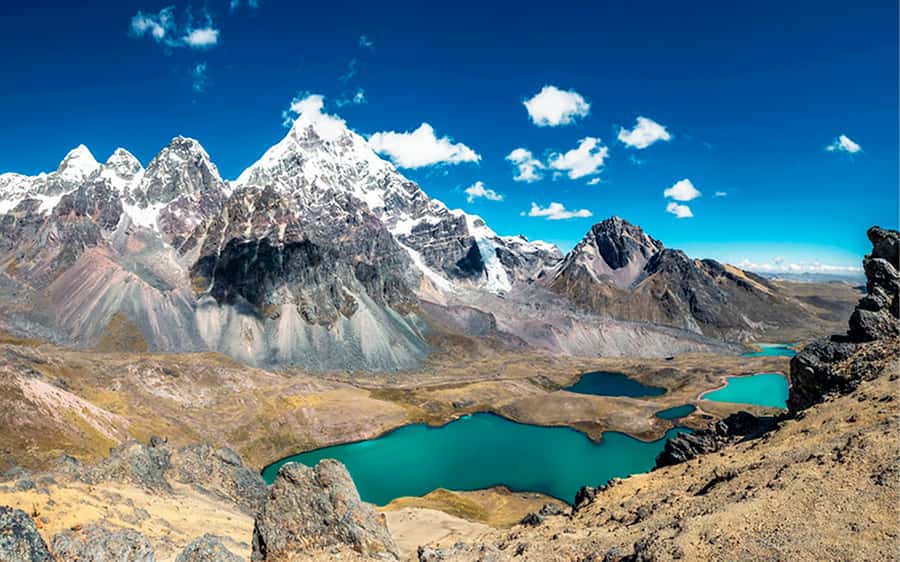
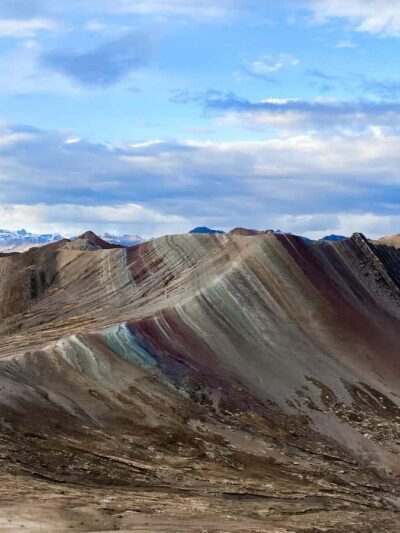
The walking portion is where the day turns into a real experience. You’ll head out on the trail to see the lagoons, passing mountainous terrain and local flora and fauna along the way. You may spot alpacas and llamas, and it’s one of those moments where the scenery feels alive rather than staged for tourists.
The hike is described as moderate to challenging, with about 4 to 5 hours of hiking time in total (broken into sections during the day). That’s long enough to feel it in your lungs, but short enough that you shouldn’t need technical gear—just steady legs, good footing, and patience.
This is also where your expectations need tuning. The trek can feel tougher in your first hour at altitude, then gradually more predictable as you settle into rhythm. If you walk too fast at the start, altitude punishes you fast. If you pace from the beginning, the day feels a lot more “worth it” than “survive it.”
Seven lagoons with names you can remember (and colors you’ll notice)
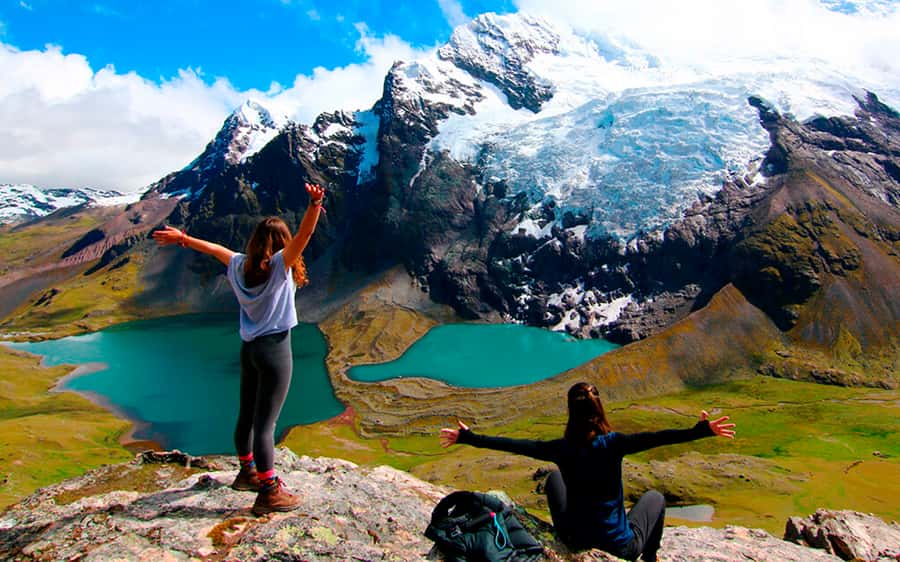
The tour route focuses on the seven main lagoons associated with Ausangate. As you walk, you’ll visit stops including:
- Comercocha
- Patacocha
- Alqacocha
- Otorongococha
- Azulcocha
- Pucacocha
- Q’omercocha
Each lagoon is offered with its own view angles, and the water is commonly described as ranging from turquoise to emerald green. You’ll also notice how wind and sunlight change what you see. The same lagoon can look brighter or darker depending on cloud cover, so try not to obsess over getting a single perfect shot.
What I like about this structure is that it turns “seven lakes” into something you can actually track. You’re not just hiking along a single point in space—you’re moving between distinct places with distinct visual cues. Your camera (and your brain) gets frequent “checkpoints,” which helps on long days at height.
Group hiking can be a little stretched out. That’s normal. Use it as an advantage: pause when you need to breathe, then keep moving at your own pace back into the line.
The photo stop window: where you can breathe and shoot smarter
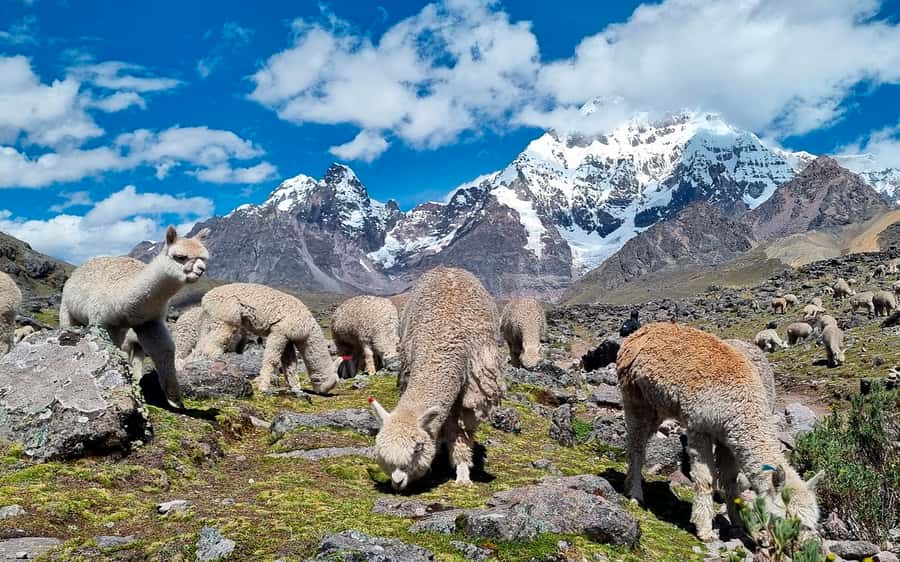
Midday, you’ll get time for photos and a short window to pause. This part is useful, even if you think you’ll need the time later. At over 4,600 meters, “rest” isn’t just comfort—it’s oxygen management. You want a few minutes to slow down, drink water, and let your breathing settle.
Bring layers you can add or remove quickly. Morning can feel painfully cold, while afternoon light may warm you slightly. If you’re filming or snapping photos, wind can knock your hands around, so gloves might be overkill for some people, but you should definitely protect fingers from cold air if you get shaky.
Also, use the photo time to look beyond your camera. Those lagoons reflect mountains and sky, and the best moments often happen when you stop trying to frame everything.

Lunch in Pacchanta: simple, community-style, and practical
After the hike sections wrap, you’ll head back to Pacchanta for lunch, typically around 40 minutes. The meal is described as a typical Andean lunch prepared by the local community, and the goal here is practical: refuel quickly, eat warm, and reset before hot springs.
From what I’ve learned about high-altitude day trips, lunch is usually “basic but good” rather than fancy. And that’s fine. You don’t want an elaborate meal when you still have a return ride ahead. You want filling food that sits well and helps you recover.
One tip: if you’re sensitive to cold, ask for the warmest option they offer. Warm food can make the change to the thermal baths feel less like a shock and more like a reward.
Pacchanta hot springs: the recovery you came for
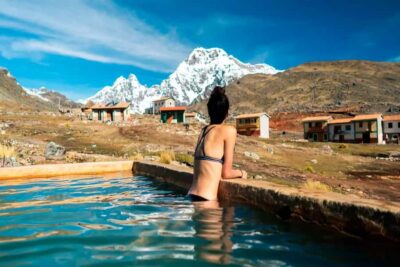
The last major activity is Aguas Termales Pacchanta. You’ll typically get about 30 minutes of free time there. This is where your muscles unclench, and where you’ll feel the payoff of all that walking.
The bonus is the setting. The hot springs come with panoramic views of the snow-capped Ausangate, so you’re not just soaking—you’re watching the high Andes in late-day light. That matters because it turns “recovery time” into part of the story of the day, not only an afterthought.
Temperatures at altitude can make a short soak feel magical. But also remember: 30 minutes goes fast. If you want photos, do them quickly before you settle in. If you want to relax, skip trying to multitask and just let your body work the heat into tired legs.
Price and value: $35 plus a key extra cost (30 soles)
The advertised price is about $35 per person, which is relatively good value for a full day at altitude. You’re getting round-trip transportation from Cusco, a professional guide (Spanish and English), breakfast, lunch, and support items like a first aid kit and oxygen bottle.
The one extra cost you should plan for is the entrance fee to the lagoons and thermal baths (30 soles). That’s not included in the base price, so budget it. If you forget, it can turn a peaceful morning into a scramble.
Here’s how I think about value for this specific trip: you’re paying for logistics that are hard to DIY safely—early transport, guided route structure, and emergency-minded support. If you want the experience without the planning stress, that’s where the money earns its keep.
Altitude and gear checklist for 4,600+ meters
This is not a low-altitude walk. The lagoons sit above 4,600 meters, and the tour itself warns that you should consider acclimatizing. A common recommendation is spending 2 or 3 days in Cusco before you go, so your body adapts.
How do you handle it on the day?
- Pace yourself on the first stretch.
- Drink water even when you don’t feel thirsty.
- Bring layers because mornings can be brutally cold.
For gear, the tour recommends:
- Hiking shoes with grip
- Sun hat and sunglasses
- Water
- Rain gear
- Comfortable clothes and hiking pants
- Trekking gear (if you use it)
- Energy snacks (you’ll find you’ll want them on long days, even with meals)
Also note what’s not allowed: alcohol and drugs. You’re at altitude and hiking; keep your body focused.
If you have heart, respiratory, or blood pressure issues, or if you’re pregnant, the tour isn’t suitable. People over 65 also aren’t recommended for this excursion. If any of that applies to you, ask your doctor first and don’t treat this as a casual outing.
Who should book this day hike from Cusco?
You’ll likely enjoy this tour if you want one big day outside Cusco that includes real hiking, strong mountain views, and a recovery stop at hot springs. It’s also a good fit if you like your “adventure” to come with structure—named lagoons, guided pacing, and a route that’s clear even when conditions change.
You might not love it if:
- You’re expecting a short, easy walk.
- You don’t want an early start.
- You’re not comfortable with high altitude.
- You need mobility support (the tour isn’t for wheelchair users).
The best kind of traveler here is someone who’s okay with a long day, cold mornings, and moving at a steady effort level.
A smooth pickup strategy for the early-morning crowd
Because departure is around 4:00 a.m., your best tool is preparation. Here’s what you can do to reduce stress:
- Have your phone number ready, because the agency contacts you one day before.
- Confirm your pickup window the evening before.
- Keep a layer ready to throw on quickly when you’re waiting outside.
- Plan to arrive at your hotel pickup spot a few minutes early.
One more practical thought: guide assignments can differ from what you first hear. If you see a guide name like Antoni in the message you receive, still expect that the guide you meet on the trail could be someone else—example names include John. The solution is simple: confirm on the morning, and you’ll feel much calmer.
Should you book it?
Book this tour if you want a high-altitude day that combines seven named lagoons, photo-friendly views, and a real muscle reset at Pacchanta hot springs. At $35, it’s strong value when you factor in transport, a guide, breakfast, lunch, and altitude support items.
Skip it (or pick a different style of trip) if you’re worried about the altitude, if your health falls into the tour’s not-suitable categories, or if you hate early mornings. This one is a classic Andes day: cold start, steady hike, warm soak, and the satisfaction of seeing Ausangate’s world in one long hit.
FAQ
What time does the tour start in Cusco?
The tour generally begins early, around 4:00 a.m., with pickup from accommodations in Cusco.
How long is the excursion?
It lasts about 12 hours.
What is included in the price?
Hotel pickup, a professional guide, breakfast, lunch, a first aid kit, an oxygen bottle, and drop-off near the historic center of Cusco.
Are entrance fees included?
No. There is an entrance fee for the lagoons and thermal baths of 30 soles.
Which lagoons are visited?
The seven lagoons are Comercocha, Patacocha, Alqacocha, Otorongococha, Azulcocha, Pucacocha, and Q’omercocha.
How much hiking time should I expect?
You’ll hike for about 4 to 5 hours total, with breaks and photo/free time during the day.
How high is the hike?
The lakes are located more than 4,600 meters above sea level.
What should I bring?
You should bring sunglasses, a sun hat, hiking shoes, water, rain gear, comfortable clothes, hiking pants, and trekking gear.
Is the tour suitable for everyone?
No. It is not suitable for pregnant women, wheelchair users, people with heart problems, people with respiratory issues, or people over 65.