REVIEW · SACSAYHUAMAN & INCA RUINS
Cusco: Sacsayhuaman, Qenqo, Puca Pucara & Tambomachay Tour
Book on GetYourGuide →Operated by DonPeruTours · Bookable on GetYourGuide
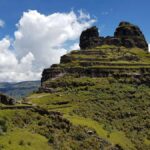
Stone walls and ritual sites in one morning. This Cusco route strings together Sacsayhuaman and Qenqo, two of the area’s most striking archaeological stops, with a guide who explains what makes each place worth your time. I love the scale of Sacsayhuaman’s massive stone walls, and I like how Qenqo feels like you’re walking through purpose-built stone corridors and ceremonial spaces.
The main thing to watch is cost creep: entry/admission tickets for Sacsayhuaman, Qenqo, Puca Pucara, Tambomachay, and (on the right schedule) Qoricancha are not included in the $21 price. If you’re budgeting tightly, plan for those extra fees before you go.
In This Review
- Key highlights worth planning for
- Why this Cusco circuit fits your time and attention
- Sacsayhuaman: massive stones and Incan power
- Qenqo’s labyrinth: ceremonial altars you can actually picture
- Puca Pucara: the military logic behind the walls
- Tambomachay: water worship and practical engineering
- Qoricancha add-on at 9:00 AM or 1:00 PM
- Transportation, timing, and the central Cusco drop-off
- What makes the guide and organization matter
- Price reality check: $21 and what it really covers
- Who this tour suits best (and who should skip it)
- Should you book the Cusco Sacsayhuaman to Tambomachay tour?
- FAQ
- How long is the Cusco Sacsayhuaman, Qenqo, Puca Pucara & Tambomachay tour?
- What’s included in the price?
- Are entrance tickets included?
- Which sites are visited on this tour?
- What language is the live guide?
- Where do you get dropped off at the end?
- How much does the tour cost?
- Is free cancellation available?
- Is the tour suitable for young children or seniors?
Key highlights worth planning for
- Sacsayhuaman’s massive stone walls and the reason this fortress mattered in Incan history
- Qenqo’s labyrinthine passages plus ceremonial altars that add context to what you see
- Puca Pucara’s military role, making the site feel less mysterious and more strategic
- Tambomachay’s water-worship theme, with aqueducts and fountains tied to Incan engineering
- Optional Qoricancha at 9:00 AM or 1:00 PM, for a Temple of the Sun stop with gold-linked lore
Why this Cusco circuit fits your time and attention

This tour is built for people who want real Cusco history without turning the day into a scavenger hunt. In about 270 minutes (4.5 hours), you cover four major archaeological complexes, then possibly add a fifth stop depending on the time you choose.
What I like about this format is that it’s focused: you’re not just “seeing ruins,” you’re getting a guided thread for how the sites connect—fortress power, ceremonial space, defense, and water worship. That guidance matters because Cusco’s stone structures can look impressive but confusing if you don’t know what to look for.
The other practical win is transportation. With pickup and round-trip transport, plus a drop-off in central Cusco, the tour removes a big chunk of daily stress. You spend more energy looking at stone and meaning, not figuring out buses, taxis, or walking routes.
You can also read our reviews of more tours and experiences in Cusco.


Sacsayhuaman: massive stones and Incan power
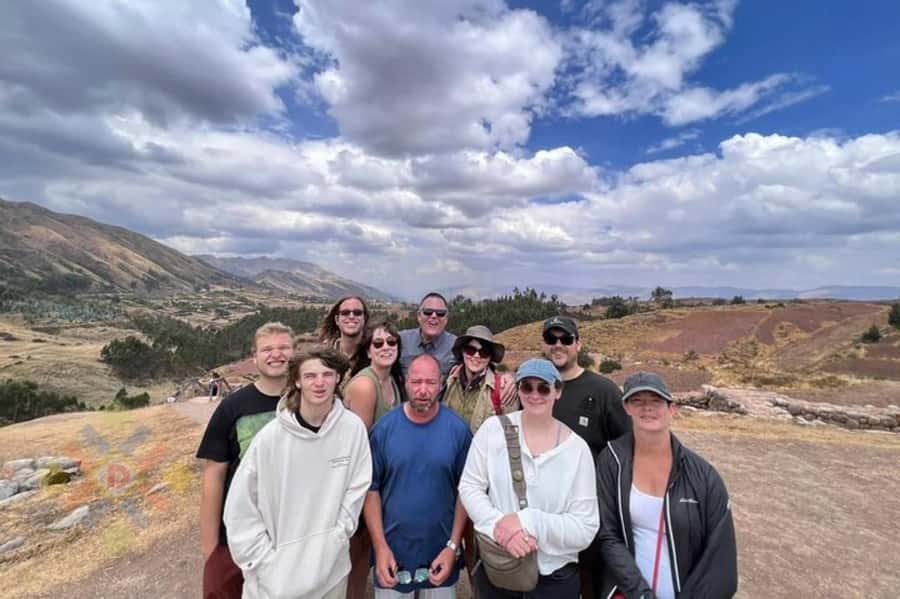
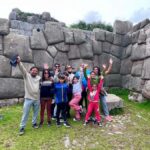
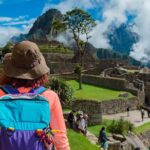
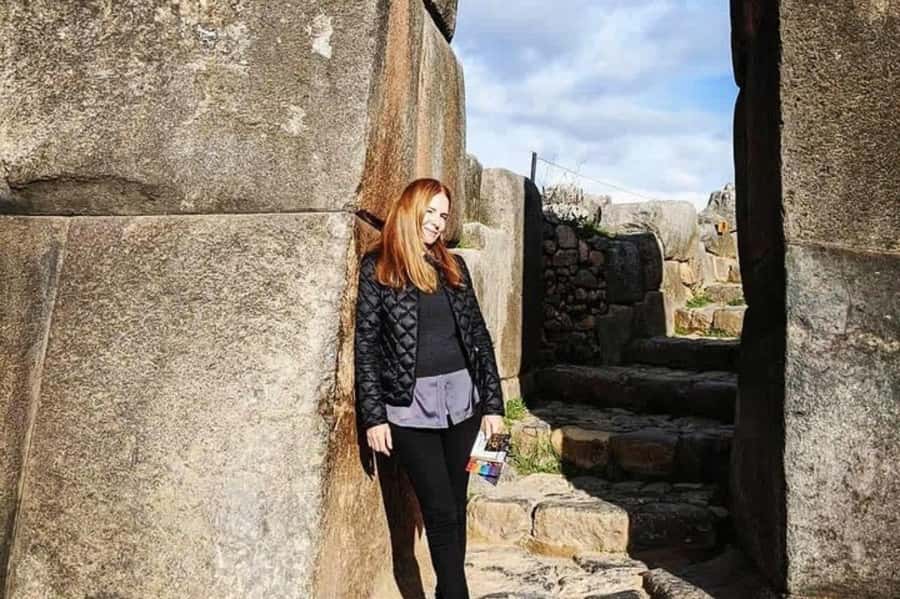
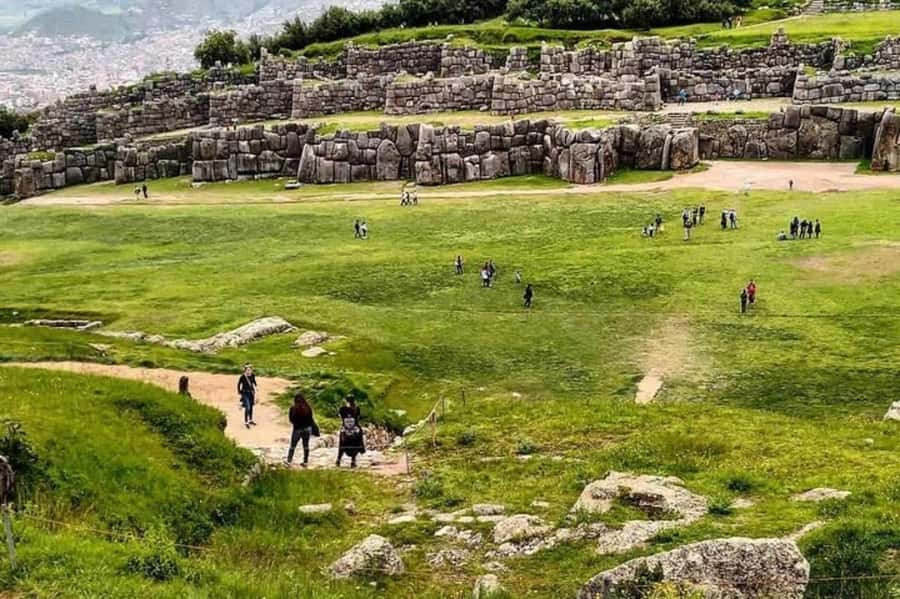
Sacsayhuaman is the stop that sets the tone for the whole day. The big draw here is the awe factor: you’ll get to stand near massive stone walls and take in how heavy, deliberate, and permanent the construction feels.
The tour’s value isn’t only the view. It’s the explanation of why Sacsayhuaman held importance in Incan history. That context helps you read the site as a stronghold rather than just a pile of ancient walls. If you’ve ever walked through ruins and thought, okay, but why here, Sacsayhuaman is built to answer that question.
One practical consideration: this is an archaeological visit that includes entry/admission not included. If you’re comparing tours, that matters. The base price looks friendly, but you’ll still want to budget for the Sacsayhuaman ticket when you plan your total day cost.
Qenqo’s labyrinth: ceremonial altars you can actually picture
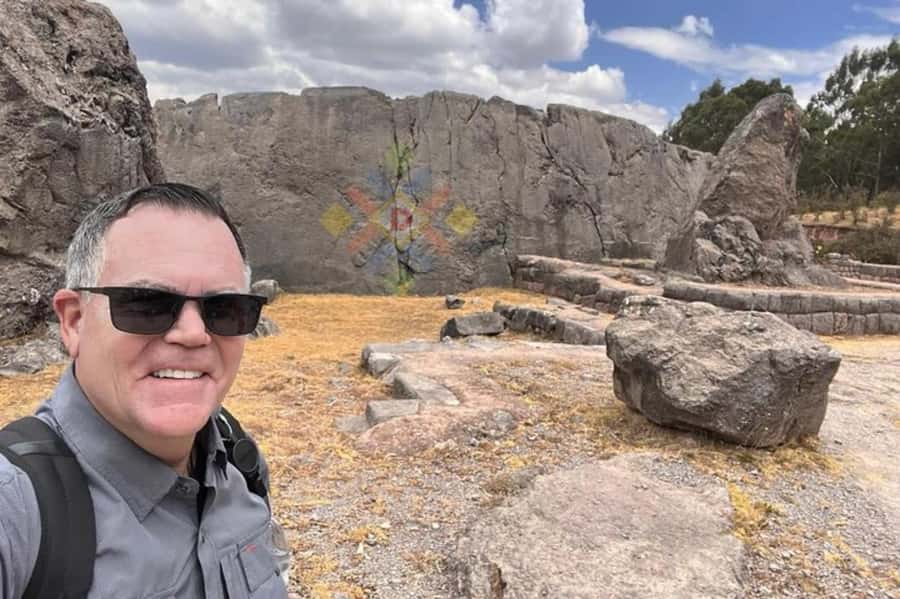
Next up is Qenqo, and it’s a very different vibe. Instead of large open stone structures, Qenqo is known for labyrinthine passages—the kind of site where the layout makes you slow down. You’re not just looking outward; you’re watching how space channels your movement.
What I like here is that the tour highlights the ceremonial side, not only the architectural shapes. Qenqo includes ceremonial altars, and the guided talk helps you connect the pathways to ritual use rather than treating the place like an abstract maze.
This stop also works well for first-timers because it feels intuitive: when you see the passages, you’ll naturally wonder what they were for. Having that explanation on hand makes the site click faster.
Puca Pucara: the military logic behind the walls
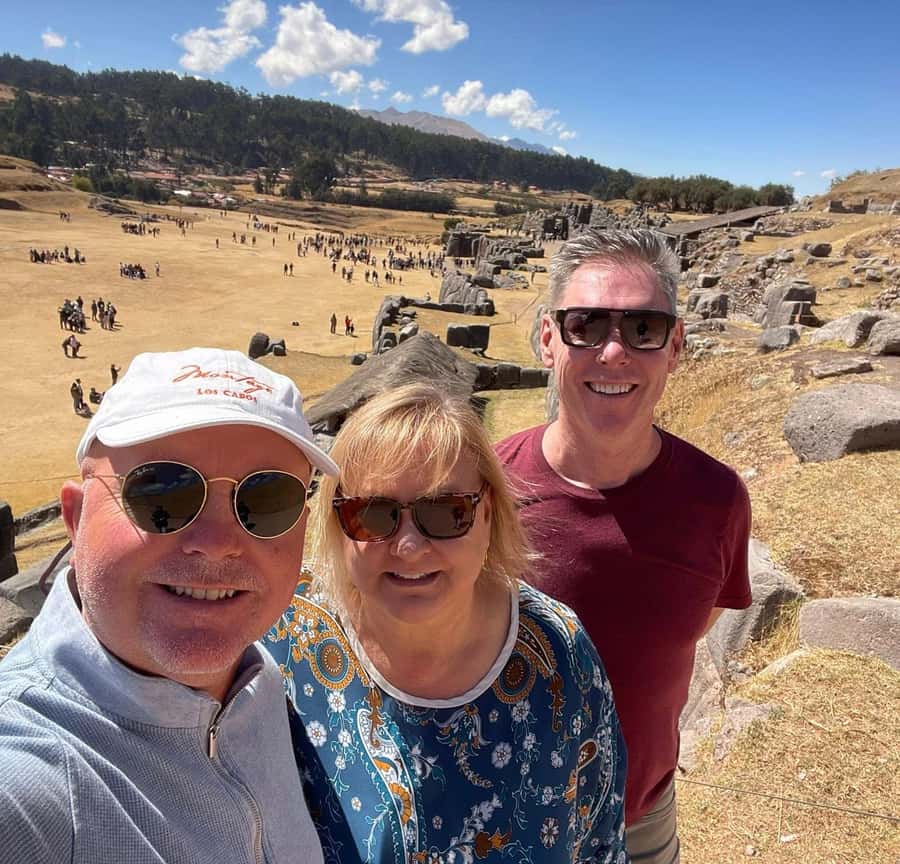
Puca Pucara is the “strategy” stop. The tour frames it as a military construction, so you’re not left guessing whether it was defensive, ceremonial, or something else.
That viewpoint changes how you read the structures. When you walk through or around a site labeled as military, you start paying attention to how the design supports defense and control. Even if you only catch parts of the reasoning during the visit, you’ll still likely feel the shift: this is about protection of the city, not just the performance of worship.
Budget note: like the other sites, entry/admission is not included for Puca Pucara. If you’re deciding between tours based on a low base price, remember that ticket fees will likely be part of your real total.
Tambomachay: water worship and practical engineering
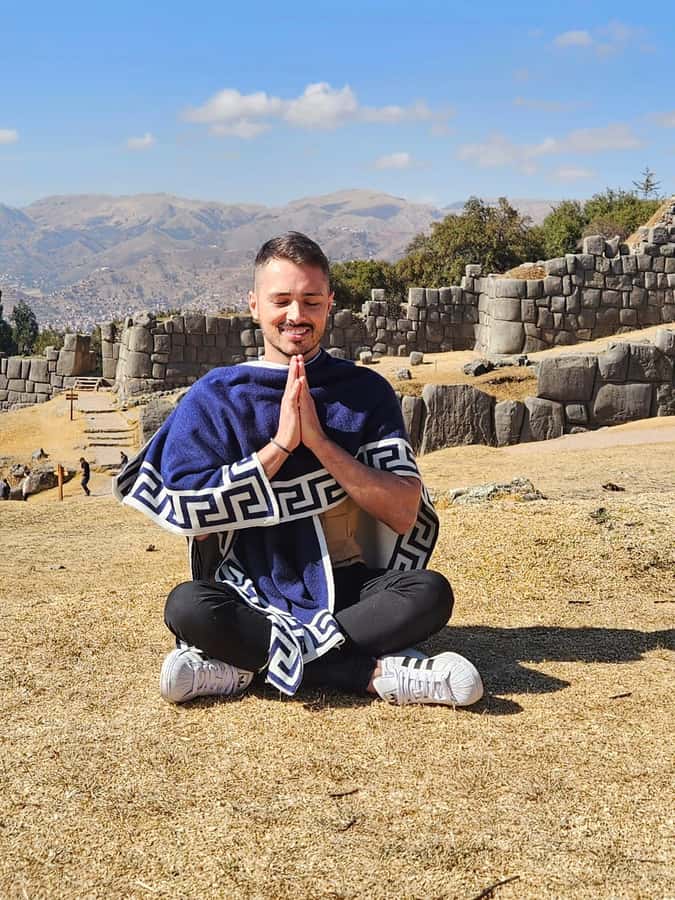
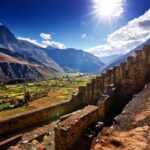
Then comes Tambomachay, and this is where Cusco history becomes very physical. The theme is worship of water, and you’ll see that in the features the tour points out—aqueducts and fountains built to capture and move water in a controlled way.
Why I think this stop is so valuable: it shifts you from “looking at old stone” to “understanding old systems.” Water infrastructure is one of the most concrete ways to grasp how people lived, planned, and maintained sacred routines. You’re not only admiring artifacts; you’re noticing engineering choices.
There’s also a nice rhythm here. After fortress and ceremonial spaces, water-worship feels calmer. It’s still archaeological, still significant, but it tends to be easier on your brain because the theme is clear.

Qoricancha add-on at 9:00 AM or 1:00 PM
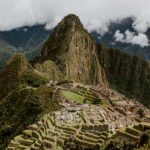
If you book the 9:00 AM or 1:00 PM schedule, your day gets an extra stop: the Temple of the Sun Qoricancha. The tour description ties this site to a story of gold—once glittered with gold—so you get a strong sense of why Qoricancha mattered in the Incan world.
This is a good option if you want one more “headline” stop without changing the overall half-day structure. It also gives you a chance to compare the themes of the day: fortress strength, ritual space, defense, water devotion, and then the sun-temple focus of Qoricancha.
Like the other sites, Qoricancha entry/admission is not included, so factor that in if you’re choosing between different start times.
Transportation, timing, and the central Cusco drop-off
The logistics here are part of the value. You get pickup and round-trip transportation, and the tour ends with a convenient drop-off in the center of Cusco. That last detail is bigger than it sounds. Central drop-off means you can keep exploring on foot and fit other stops into the same day with less friction.
The duration—270 minutes—also helps you plan around altitude and energy. A half-day format gives you time to rest afterward, which is important in Cusco where people often want to pace themselves.
Language note: the tour lists a bilingual guide as included, but it also specifies the live tour guide is Spanish. If you rely on English, ask ahead whether there will be enough support for your needs. It’s an easy check, and it prevents misunderstandings.
What makes the guide and organization matter
The best part of a guided archaeological day isn’t just facts. It’s pacing, clarity, and whether someone helps you connect what you see to what it means. The tour description and booking feedback point to a guide who’s well prepared, and that shows in how the sites are handled as a set.
I also like that the tour is described as well organized and communicative, with transportation that supports you getting from your stay to the tour and back. That may not sound glamorous, but it’s exactly what makes it easier to commit to a half-day plan in Cusco without wasting time.
Price reality check: $21 and what it really covers
At $21 per person, this tour pricing looks like a bargain for a guided half-day with transport. And the included items help you feel that value: pickup, round trip transportation, and a bilingual guide are part of what you’re paying for.
But the honest catch is admissions. Entry/admission is not included for Sacsayhuaman, Qenqo, Puca Pucara, Tambomachay, and Qoricancha. So your full day cost will be base price plus those ticket fees. If you’re comparing options, don’t judge only by the $21 figure. Compare what each tour includes besides transport.
Still, even with tickets added, the structure is strong: four major archaeological stops (plus Qoricancha on certain schedules) in a guided, transportation-supported package.
Who this tour suits best (and who should skip it)
This tour is a strong fit if you:
- want a fast but meaningful Cusco history route in one block of time
- like having a guide’s explanation instead of trying to decode everything on your own
- prefer not to manage transport between multiple archaeological sites
It’s listed as not suitable for children under 5 and people over 75. If you’re within the recommended range, you’ll likely appreciate the straightforward half-day pacing. If you’re traveling with mobility limits, you should consider how much time you’ll spend moving between stops, since the tour format involves multiple sites in one session.
Should you book the Cusco Sacsayhuaman to Tambomachay tour?
I’d book this tour if you want a guided Cusco hit that connects the dots between fortress, ceremonial space, defense, and water engineering. The $21 rate is a good starting point, and the included transport plus central drop-off makes it easy to keep your day efficient.
I’d also book it only after you’ve mentally added the admission tickets for the sites. Once you plan for that, the schedule makes sense: you get a full archaeological story without turning your afternoon into transit time and guesswork. If that sounds like what you need, this is a solid choice.
FAQ
How long is the Cusco Sacsayhuaman, Qenqo, Puca Pucara & Tambomachay tour?
It lasts 270 minutes (about 4.5 hours).
What’s included in the price?
The tour includes pickup, round-trip transportation, and a bilingual guide.
Are entrance tickets included?
No. Entry/admission is not included for Sacsayhuaman, Q’enqo, Tambomachay, Puca Pucara, and Qoricancha.
Which sites are visited on this tour?
The tour visits Sacsayhuaman, Qenqo, Puca Pucara, and Tambomachay. If you choose 9:00 AM or 1:00 PM, it also includes Qoricancha.
What language is the live guide?
The tour lists the live tour guide: Spanish.
Where do you get dropped off at the end?
The tour ends with a drop-off in the center of Cusco.
How much does the tour cost?
The price is $21 per person.
Is free cancellation available?
Yes. You can cancel up to 3 days in advance for a full refund.
Is the tour suitable for young children or seniors?
It’s listed as not suitable for children under 5 and people over 75.