REVIEW · LIMATAMBO
Cusco: Chonta Canyon and Condor Flight Tour with Lunch
Book on GetYourGuide →Operated by Kantu Peru Tours · Bookable on GetYourGuide
Condors own the sky above Chonta Canyon. This 12-hour tour layers Andean condor viewing with archaeological stops that make the day feel more grounded than a simple wildlife trip. I like how the timing builds toward long time at the lookouts, and I also like the early focus on Killarumiyoq and Tarawasi so you get context before you chase birds.
My second big plus: the guide system works. With Rafael (Spanish and English) leading you to the best observation points, you’re not just standing around hoping. The day does include a hike and some altitude-style walking, so the main consideration is that it may feel a bit demanding—especially if you get nervous around heights or steep drop-offs.
You’ll also want to plan for a total of one very full day. Expect early pickup from Centro Histórico, a lot of driving, and extra costs for entrance tickets (about $20 per person). If your idea of a perfect outing is totally flat and effortless, you’ll probably feel the pace.
In This Review
- Key moments that make this tour worth your time
- Kicking off in Cusco: the early start and how the ride sets the tone
- Killarumiyoq in Anta: ancient orientation before the condors arrive
- Tarawasi near Limatambo: Usno and ritual platforms, not just views
- Lunch time in the Limatambo/Chonta area: fuel that keeps you moving
- Huayronka Bridge detour and the ascent to Chonta village
- The Chonta Canyon hike: three viewpoints and a 50-minute push
- Practical tips for condor watching (so you don’t waste the best two hours)
- Getting back to Cusco: the long van ride and a late-day finish
- Price and value: is $150 fair for this one-day condor outing?
- What to pack and what to avoid (for comfort and safety)
- Who this tour suits best
- Should you book the Chonta Canyon Condor Flight Tour with Lunch?
- FAQ
- What time does the tour start and end?
- Where is pickup in Cusco?
- What is the total duration?
- Is lunch included?
- Are entrance tickets included?
- What languages is the guide?
- Do I need to bring water and snacks?
- Is horseback riding included?
Key moments that make this tour worth your time
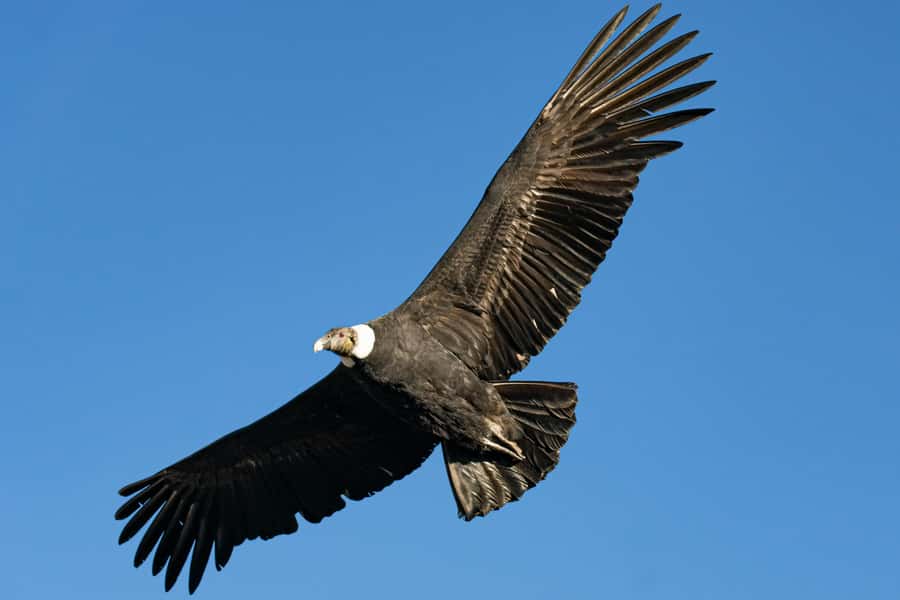
- Long condor watch time at Chonta Canyon’s viewpoints (about two hours to admire and photograph)
- Inca sky-meets-science stops at Killarumiyoq and Tarawasi
- Tarawasi ceremonial platform (Usno) for rituals, not just ruins you glance at
- Rooftop views plus a 50-minute hike to three lookouts in the canyon area
- Camouflage vests and a strong guide to help you stay comfortable and ready
- Practical safety support, including a first-aid kit and an oxygen balloon on board
Kicking off in Cusco: the early start and how the ride sets the tone
Pickup is from the city center area in Cusco, with a morning start around 7:00 am. That timing matters. In the Andes, light, wind, and the birds’ flight patterns can change fast, so arriving with a plan beats showing up late and guessing.
Most of your morning is travel by van. You’ll spend time on the road going toward the Chonta Canyon area, with an initial visitor center stop (about an hour) that helps you get oriented and ready. This is one of those practical add-ons that pays off later. Once you’re out near the canyon, you’ll have a better sense of what you’re looking for and why the viewpoints are placed where they are.
There’s a “bring your patience” factor here. You’re not walking Cusco streets for 12 hours; you’re commuting in a van for part of the day. For me, that’s part of the deal on a long-distance day trip. If you hate being in a vehicle, pair this with a slower day the next morning.
Killarumiyoq in Anta: ancient orientation before the condors arrive
Your first major stop is Killarumiyoq, a fascinating archaeo-astronomical site in the Anta area. Plan on about an hour here. The value is that you’re not just checking a box for an Inca-era location. You’re seeing how people in this region paid attention to the sky and used it for observation and ritual life.
This matters for the rest of your day. Condors are not random fireworks in the air. They ride thermals, follow wind patterns, and react to the terrain. When you walk around a site like Killarumiyoq first, you start noticing how the mountains and daylight behave in a way that feels connected to how local people have long watched the heavens.
A possible drawback: if you’re the type who wants only nature and no archaeology, this stop might feel like it slows your hunt for birds. For most people, though, it makes the canyon experience feel smarter and more intentional.
Tarawasi near Limatambo: Usno and ritual platforms, not just views
After Killarumiyoq, you head to Tarawasi, located near Limatambo. Expect another guided visit where you’ll spend time exploring the historical site and learning about its ceremonial role. The standout detail here is the Usno, a ceremonial platform used for Andean rituals. Tarawasi is one of the remaining places where you can still see this kind of ritual architecture rather than only vague “ruins.”
This stop gives you a break from driving and a chance to stretch your legs in a structured way. It also helps the day feel balanced: you’re moving between culture and nature instead of doing a single long wildlife waiting game.
One thing to keep in mind: entrance tickets for Killarumiyoq and Tarawasi are not included in the base price. Budget extra (listed as $20 per person). If you arrive without planning for that, you’ll feel the scramble right when you want the day to feel smooth.
Lunch time in the Limatambo/Chonta area: fuel that keeps you moving
Lunch is built in after the Tarawasi stop, with a break time of about an hour around Limatambo. The tour includes lunch at a local restaurant in the village area connected to Chonta.
In practice, this is the moment you’ll want to eat like it’s a long hike day. You’re not strolling through a museum; later you’ll be walking (including a detour ascent and then a hike to viewpoints). A hearty lunch can make the rest of the day feel manageable.
Also, water and snacks aren’t included. That’s not a reason to skip the tour, but it’s a reason to pack smart. I’d bring your own water and a snack you enjoy, especially if you know you get hungry between meals.
Huayronka Bridge detour and the ascent to Chonta village
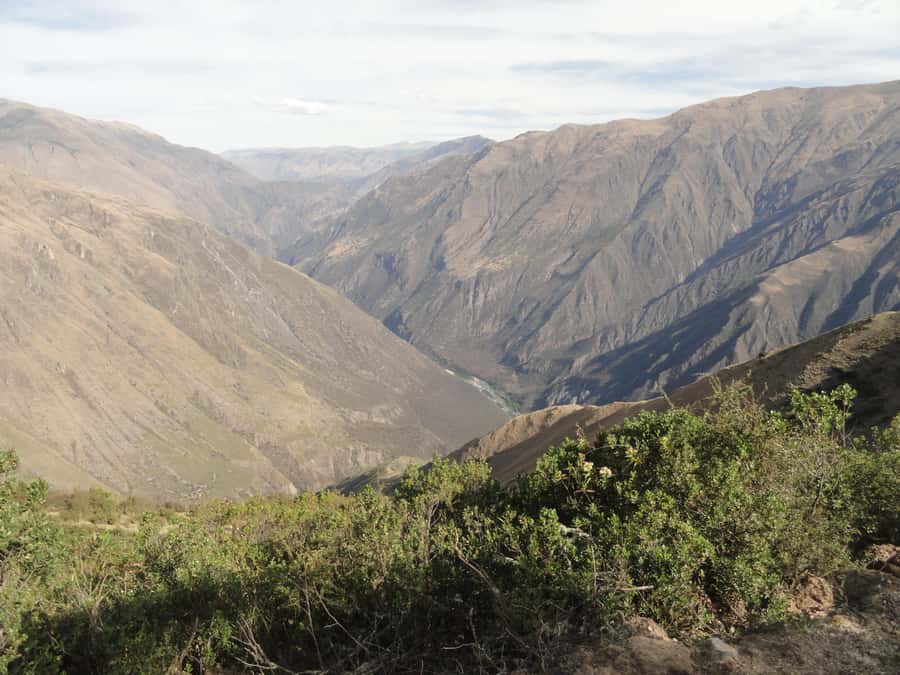
After lunch, you’ll head toward the Huayronka Bridge area. Then comes a scenic detour that includes an hour-long ascent through mountain scenery. This is where the day starts to feel more physical.
The good part? This ascent is part of how the day earns its best bird angles. You’re not climbing for the sake of climbing. You’re getting higher ground and moving into the canyon viewing zone.
The consideration: if you’re afraid of heights or you have vertigo, this portion can be uncomfortable even if the tour is carefully planned. The tour is not suitable for people with mobility impairments, heart problems, pregnancy, vertigo, or strong fear of heights—so treat that as a real warning, not fine print.
The Chonta Canyon hike: three viewpoints and a 50-minute push
Once you reach Chonta village, the main canyon experience begins with a 50-minute hike toward three viewpoints. The hike is a key part of getting the best perspective on condors. It also explains why this tour is structured around timing; you can’t “casually wander” to the best spots and still catch the flight pattern.
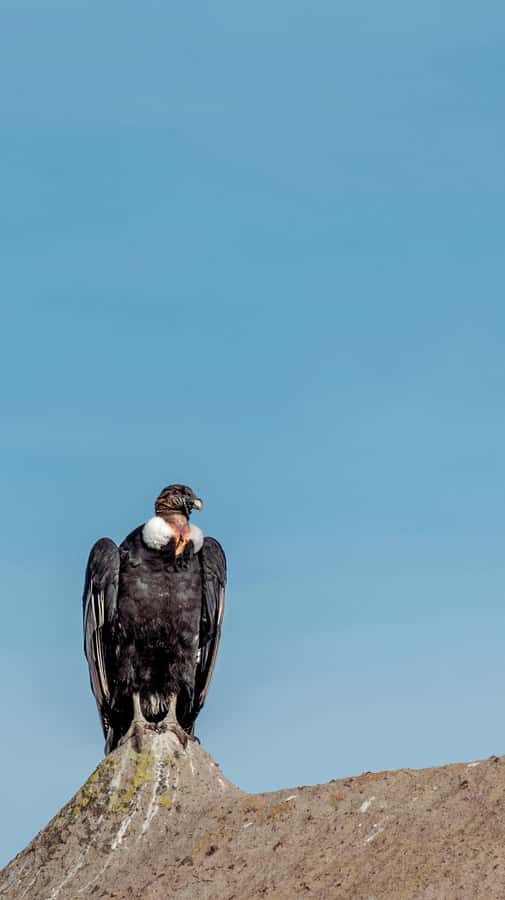
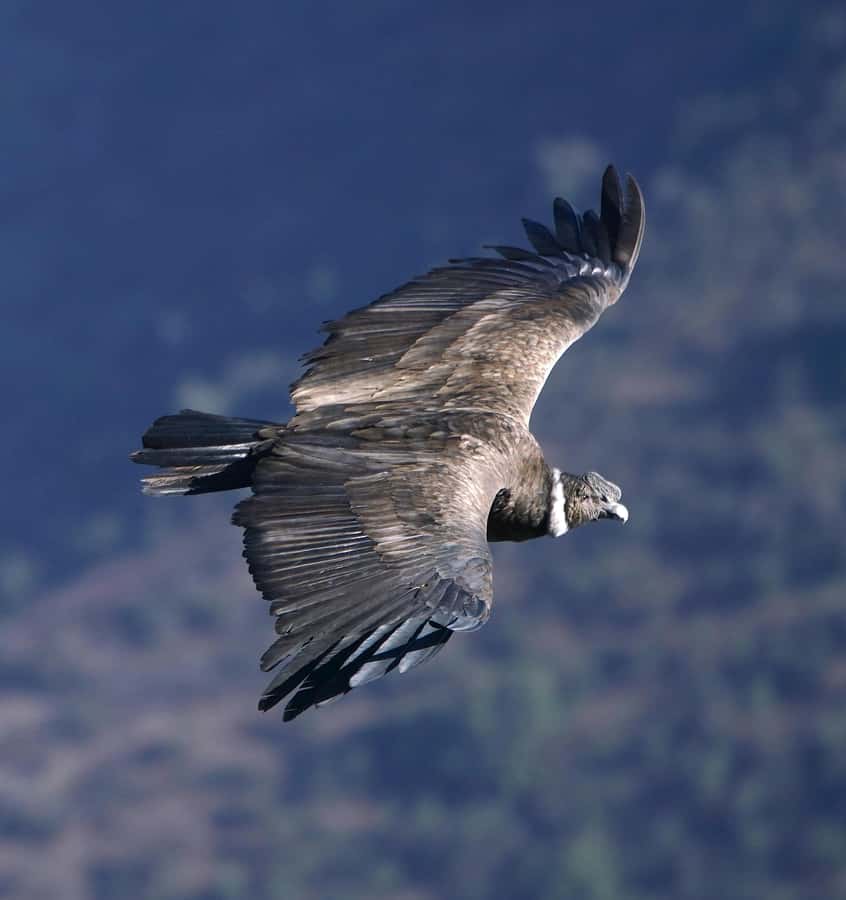
When you arrive at the lookouts, you’ll have about two hours to watch and photograph condors as they soar across the canyon. This is the moment the whole day revolves around. It’s also where a good guide makes a real difference.
In one account of the experience, Rafael led people to the best observation points and helped them understand what they were seeing about condors and the natural setting. You’ll feel that kind of coaching when the birds show up—because condor viewing is partly timing, partly reading wind and terrain, and partly knowing where to stand.
Practical tips for condor watching (so you don’t waste the best two hours)
You don’t control when a condor decides to cross the canyon. You do control your comfort and readiness.
- Dress warmly. Even in Peru, canyon air can feel chilly when you’re standing still.
- Bring your hat and sunscreen. High sun + waiting time adds up.
- Take photos early and often, but also look with your eyes first. Condors move fast once they decide to travel.
The tour also provides camouflage vests. I can’t promise the birds react to clothing like magic, but you’ll likely feel more comfortable and less “obvious” while waiting. And comfort helps you stay patient.
Getting back to Cusco: the long van ride and a late-day finish
After your time at the viewpoints, you’ll return toward Chonta town, where transport is waiting to take you back to Cusco. The tour finishes around 7:00 pm and you’ll be dropped near the main square or back at your hotel in the city center area.
That end time matters if you’re planning dinner or a show in Cusco that night. I’d treat this as a “relax and eat” evening. You’ll have had a full day of altitude and movement, even if you don’t feel wrecked.
Price and value: is $150 fair for this one-day condor outing?
The listed price is $150 per person for about 12 hours, and it includes several things that add real value:
- Hotel pickup in the city center
- A professional guide in Spanish and English
- Transportation and driver
- Camouflage vests
- Lunch
- First-aid kit and an oxygen balloon
Where the value becomes very personal is how much you trust the guide to manage timing. Condor watching is weather and positioning sensitive. A tour that takes you to the right viewing points and keeps the schedule tight is worth paying for, especially when entrance tickets and snacks can easily add up on your own.
The trade-off: you must pay entrance tickets separately for Killarumiyoq, Tarawasi, and Chonta Canyon (about $20 per person). You also need to bring your own water and snacks, since those aren’t included.
If you add all that up, this still feels like a reasonable day-trip package—especially if you want someone handling logistics while you focus on the sky.
What to pack and what to avoid (for comfort and safety)
This tour has a clear list of what you should bring. I’d follow it closely.
- Comfortable shoes (you’ll be walking and ascending)
- Warm clothing (canyon waiting time can chill you)
- Hat and sunscreen
- Camera
- Snacks and water
- Cash
The provided safety gear (first-aid kit and an oxygen balloon) is reassuring, but it’s not a substitute for dressing right and pacing yourself.
What to avoid is equally important:
- No pets
- No oversize luggage
- No smoking
- No littering
- No alcoholic drinks in the vehicle
- Don’t touch plants
Also, keep an eye on the personal suitability note. This isn’t a good fit if you have mobility limitations, heart issues, are pregnant, or struggle with heights or vertigo.
Who this tour suits best
This is a strong choice if you want:
- A full-day plan with both archaeology and nature
- Condor viewing with time at the viewpoints rather than a quick drive-by
- A guided experience in Spanish and English
- A group format that’s private, which usually means less chaos and fewer strangers blocking your photo angles
You might skip it if you want a short, easy outing. The day includes driving, ascent, and a hike, plus you’ll likely spend long periods standing while you watch the canyon.
Should you book the Chonta Canyon Condor Flight Tour with Lunch?
I think this is a good booking when your top goal is condors and your second goal is not just seeing something, but understanding how the region frames sky and ritual. The mix of Killarumiyoq, Tarawasi (including the Usno ceremonial platform), and the long viewpoint time gives the day structure.
Book it if you’re comfortable with a hike, can handle the feeling of standing in scenic canyon areas, and you’re okay paying an extra $20-ish for entrance tickets. Don’t book it if you fall into the listed unsuitability categories, especially vertigo or fear of heights.
If you want the practical bottom line: this tour is best when you show up prepared—warm layers, good shoes, water, and your camera charged—then let the guide handle the hard part: getting you into position for the condors to do their thing.
FAQ
What time does the tour start and end?
Pickup is around 7:00 am, and you typically return to Cusco around 7:00 pm.
Where is pickup in Cusco?
Pickup is from Centro Histórico (city center). The meeting point must be in the city center; otherwise you’ll meet at the Main Square.
What is the total duration?
The tour duration is listed as 12 hours.
Is lunch included?
Yes. Lunch is included at a local restaurant in the village area related to Chonta.
Are entrance tickets included?
No. Entrance tickets for Killarumioc, Tarawasi Inca sites, and Chonta Canyon are not included and are listed as $20 per person.
What languages is the guide?
The guide works in Spanish and English.
Do I need to bring water and snacks?
Yes. Water and snacks are not included, so you should bring them.
Is horseback riding included?
No. Horses are not included.