REVIEW · CUSCO
Cusco: Archeological Sites Tour and Forest Photo Experience
Book on GetYourGuide →Operated by Peru Andes Top · Bookable on GetYourGuide
Cusco packs a lot of Inca drama. In five hours you’ll hit four Inca sites inside the city plus the Coricancha, then wrap it up with a photo session in the Qenqo forest. It’s a tight route, but the stops are big.
I like how this tour is built for efficiency without feeling like a checklist. You get guided context at each ruin, and you also get a guided photo experience in a place that actually looks like the Inca imagination. The pacing is what makes it work.
One thing to plan for: entrances cost extra. You’ll need a tourist ticket (70 soles) and Coricancha entrance (15 soles), so your all-in budget is higher than the $17 headline price.
In This Review
- Key things I think are worth your attention
- The five-hour Cusco rhythm: pickups, stops, and staying on time
- Qenqo Temple: when a rock formation turns into ceremony
- Puca Pucara: the Inca ruins with guard-post energy
- Sacsayhuamán: the solar sanctuary with limestone muscle
- Tambomachay: the Inca baths and the purification vibe
- Qenqo forest photo session: how to get shots you’ll actually keep
- Coricancha: Cusco’s most important temple, rebuilt in stone
- Price and logistics: what $17 covers, and what it does not
- What to bring for Cusco ruins and the Qenqo forest
- Who this tour fits best (and who might want another option)
- Should you book this Cusco ruins and forest photo tour?
- FAQ
- What sites are included in this Cusco tour?
- How long is the experience?
- Is hotel pickup and return included?
- What’s included with the photo experience?
- Do I need to buy entrance tickets?
- What languages are available for the guide?
- What should I bring?
- What’s the pickup timing and waiting rule?
- Is food included?
- FAQ
- Can I cancel for a refund?
- How do I receive the digital souvenir photo file?
- What if the itinerary changes?
Key things I think are worth your attention
- Four Inca temples in Cusco in one half-day outing, so you don’t burn a whole day on logistics
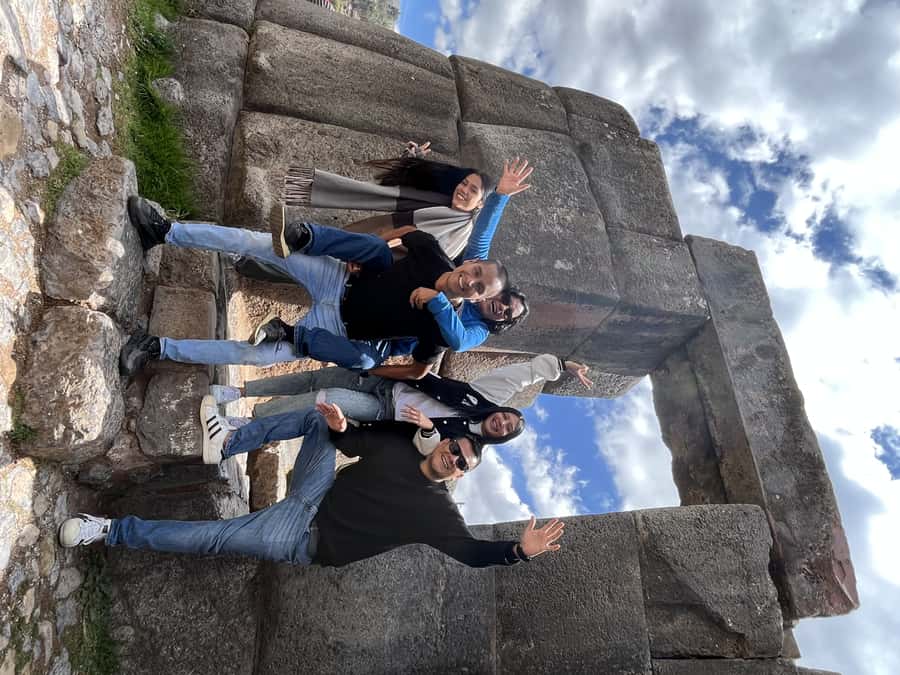
- Ceremonial Qenqo set in rock and ritual, not just stone for stone’s sake
- Military-feeling Puca Pucara with guard-post energy and defensive layout
- Sacsayhuamán’s massive limestone blocks and the sense of a solar sanctuary
- Tambomachay’s “Inca baths” water story tied to purification
- Qenqo forest photo session with an expert guide, plus a digital souvenir file
The five-hour Cusco rhythm: pickups, stops, and staying on time
This is a half-day tour designed to start strong. You’ll be picked up from your Cusco hotel and returned at the end. The driver will hold a sign with their last name, and they’ll only wait up to 5 minutes after the scheduled pickup time—so show up early in the lobby.
That timing matters because the itinerary can be modified in operation, even though all the listed sites will be visited. In practice, that means you should treat this like a scheduled walk through Cusco’s “greatest hits.” If you’re the kind of traveler who likes to linger over coffee breaks, plan your morning accordingly.
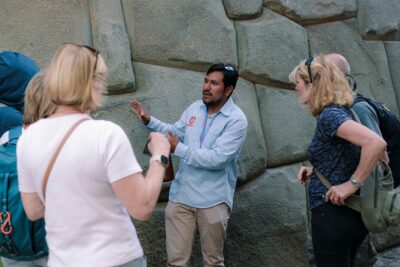
Also note the guide is live and speaks Spanish and English. That’s helpful because these sites can feel mysterious if you’re just reading placards.
You can also read our reviews of more tours and experiences in Cusco.
Qenqo Temple: when a rock formation turns into ceremony
Your first big stop is Qenqo, a natural rock formation that the Incas turned into a ceremonial center. This isn’t just “ruins on a hill.” It’s architecture that grows out of geology, which changes how you experience it.
Here’s what I love about Qenqo’s layout: it feels intentionally dramatic. The rock shapes guide your eyes, and the site reads like it was made for gatherings, not lone sightseeing. If you’re into details like thresholds, seating-like surfaces, and the way paths funnel movement, you’ll notice the design thinking quickly.
A practical note: comfortable shoes matter here. Even if you’re not doing heavy hiking, these are uneven surfaces, and you’ll move between viewpoints.
If you want photos that tell the story, look for angles that show how the built elements sit inside the rock’s natural contours. Your later photo session is in the same Qenqo area, so this first stop helps you understand the landscape you’ll be shooting in.
Puca Pucara: the Inca ruins with guard-post energy
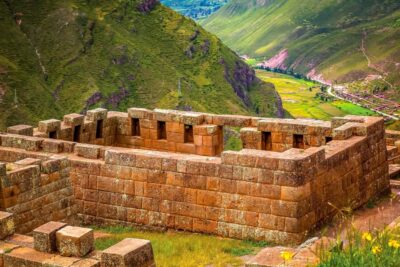
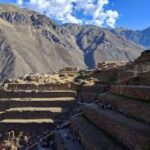
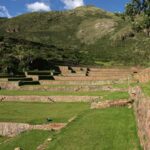
Next up is Puca Pucara, known for military ruins and the remains of Inca guard posts. This is where the vibe shifts. Qenqo feels ceremonial; Puca Pucara feels practical—stairs, streets, houses, patios, and defensive layout.
What makes this stop valuable is perspective. Most visitors focus on temples and religious symbolism. Puca Pucara gives you a different piece: the Inca system included protection, monitoring, and movement planning. It’s easier to imagine how Cusco functioned day to day when you see a site that looks like it had a job beyond worship.
The drawback? This is not the site you’ll think about the longest if you only care about the most iconic views. But if you like understanding how empires actually ran their cities, Puca Pucara is one of the most satisfying stops on the route.
Sacsayhuamán: the solar sanctuary with limestone muscle
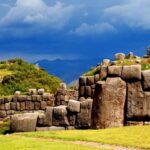
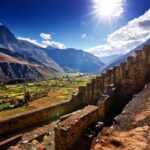
Then you’ll head to Sacsayhuamán, a site created as a solar sanctuary by the last dynasties of the Incas. The highlight here is the massive construction—large blocks of limestone built to help protect the city from invaders.
Even if you’ve seen photos before, being there changes things. The scale makes the stone feel heavier than it looks online. You also get a better sense of how Sacsayhuamán served multiple purposes at once: religious symbolism tied to the sun and practical defense through engineering.
If you’re the type who likes to connect architecture to meaning, pay attention to how the structure sits over the city. It’s not just a ruin; it’s a landmark designed to matter.
Tip: bring a sun hat. Cusco can hit hard between clouds, and your time outdoors adds up across the day.
Tambomachay: the Inca baths and the purification vibe
Tambomachay is about 9 kilometers from the city, and it’s famous as the baths of the Incas due to the shape of its water fountain. This stop can also tie into the cult of water and purification, which is why it feels different from the stone-heavy stops.
The value here is atmosphere. You’re not always looking at massive walls or fortress blocks. Instead, you’re connecting water to ritual. That helps you see how Inca architecture wasn’t only about power structures—it also shaped daily spiritual practices.
If it’s rainy, expect slick patches and plan for cautious steps. Since your packing list includes rain gear, that’s a realistic possibility.
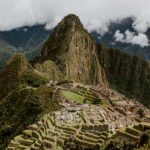
Qenqo forest photo session: how to get shots you’ll actually keep
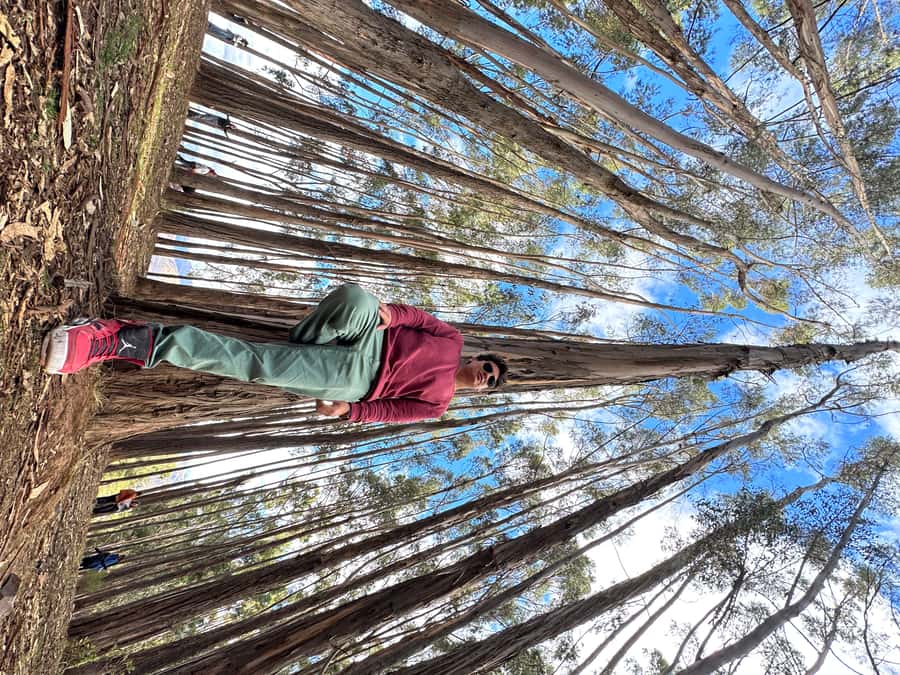
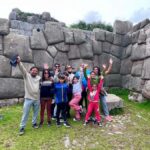
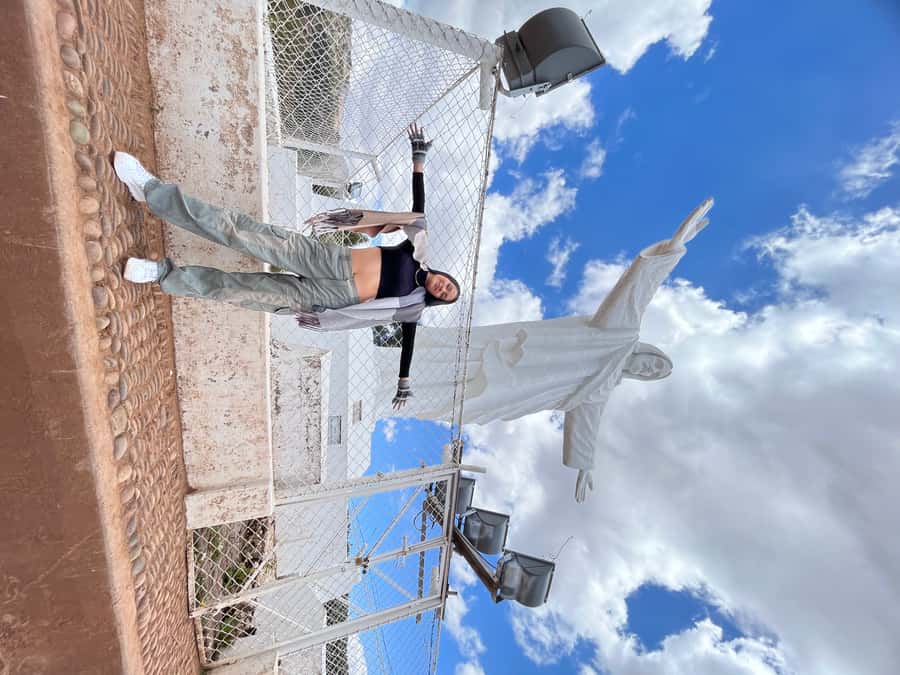
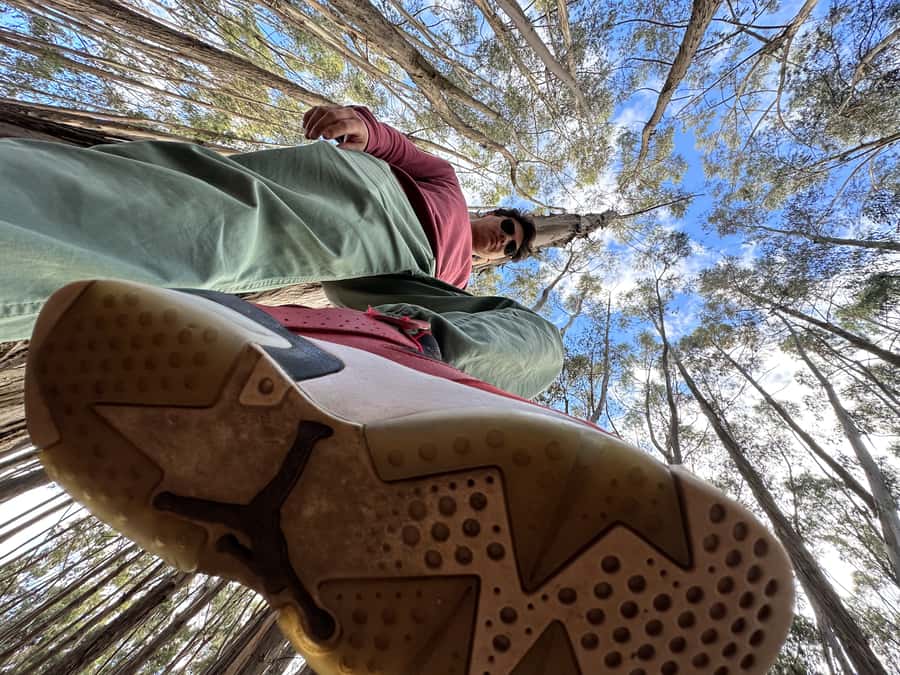
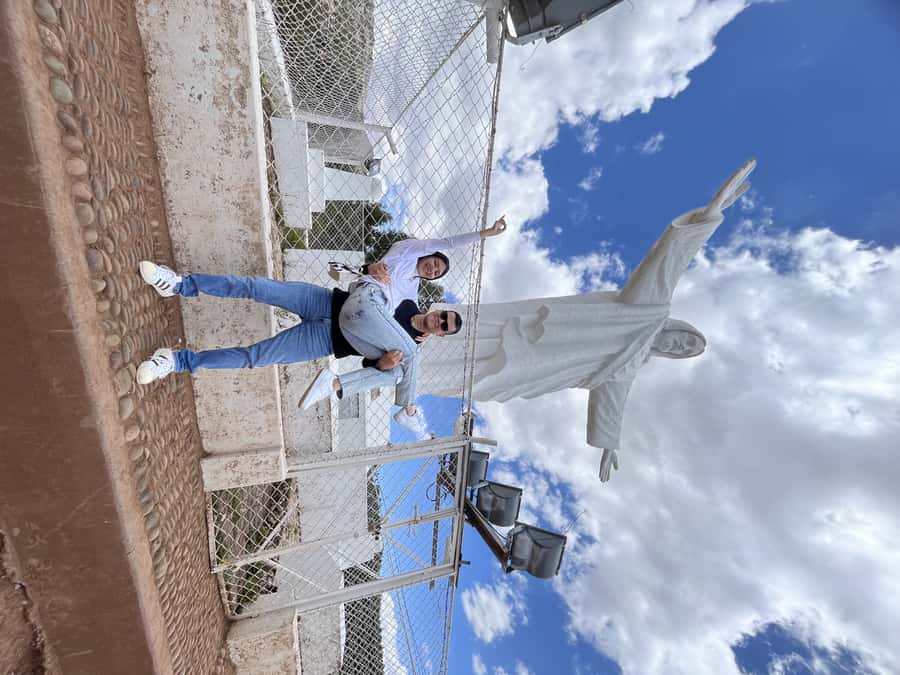
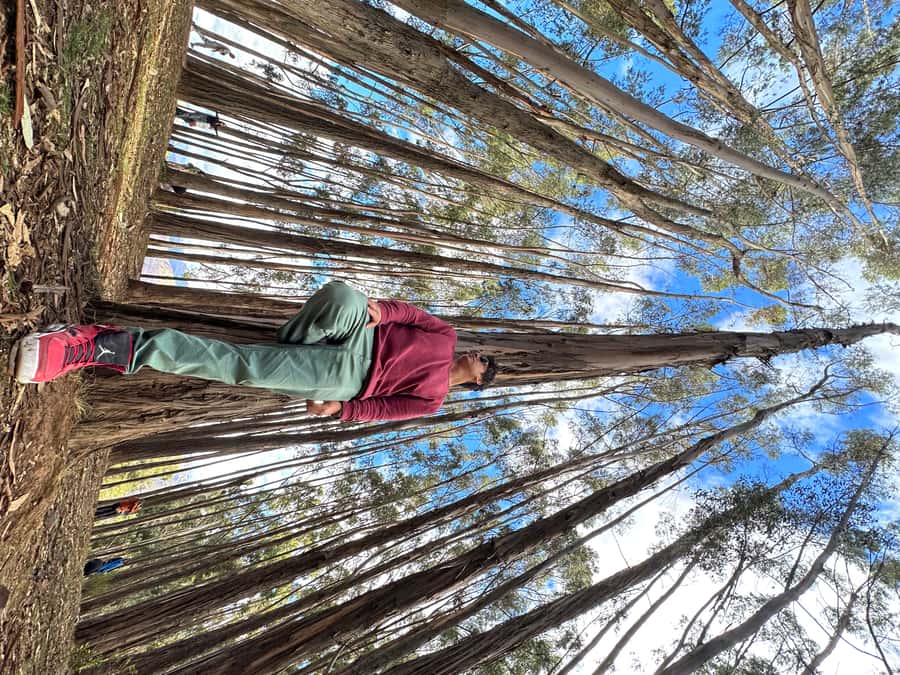
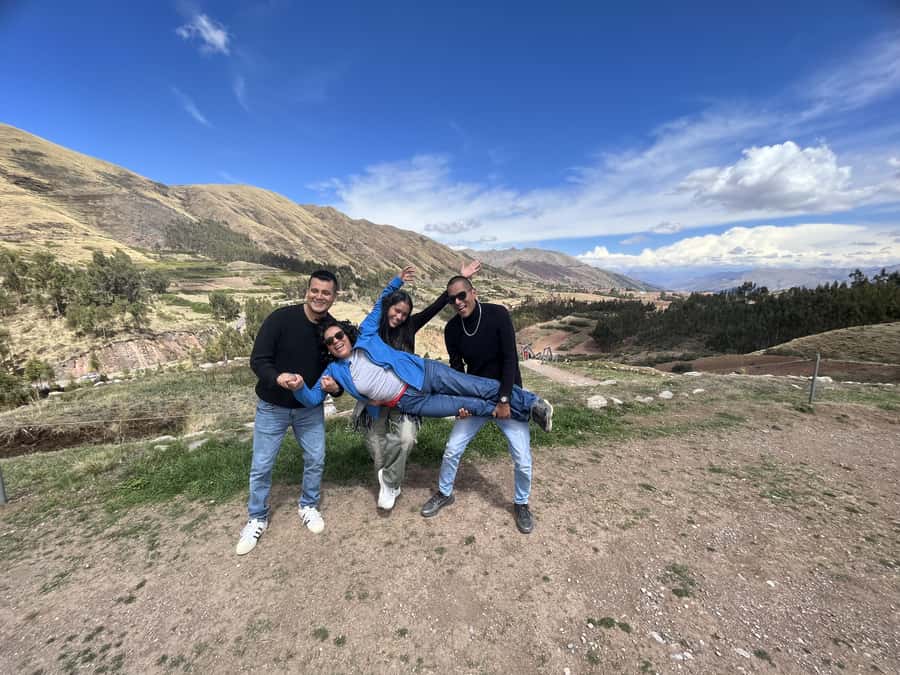
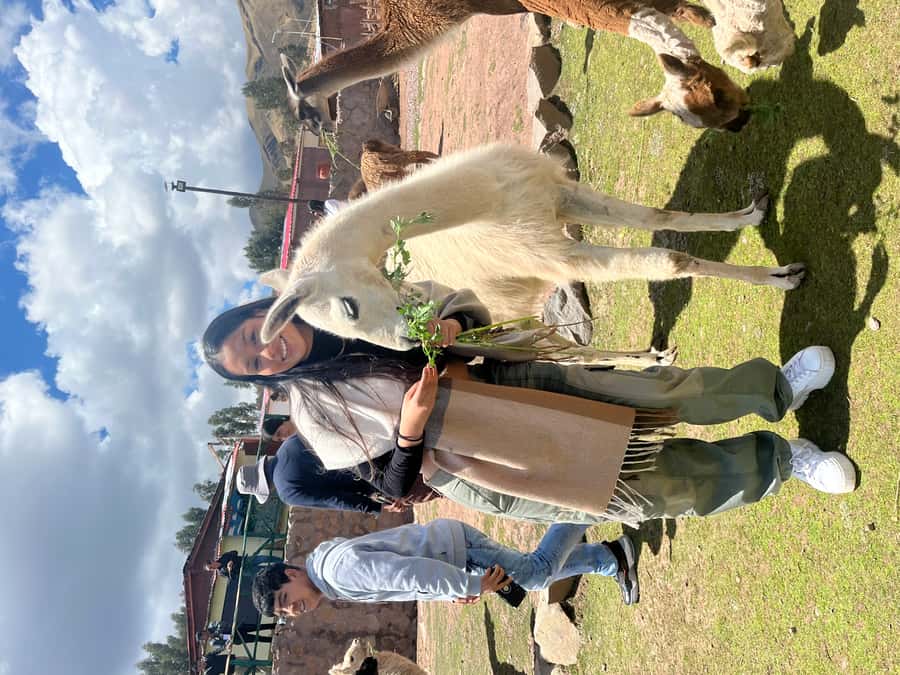
Now comes the magical moment: you enter the Qenqo forest for a photo session. An expert photography guide will take photographs for you in this beautiful setting, and the tour includes a souvenir photograph in a digital file.
This is the part many people remember later, because it turns the trip from sightseeing into something personal. A good photo isn’t just about pretty scenery—it’s about you being in the place, in a style that fits what you saw.
Here’s how to set yourself up for better results:
- Wear something that feels comfortable in motion, since you’ll be positioned for different angles.
- Bring layers. Your suggested jacket and rain gear aren’t random—they matter outdoors.
- Use the early ruins to learn the environment. Once you’ve seen Qenqo from the ground-level viewpoints, the forest background choices make more sense.
One practical caution: the tour is designed to include that digital file souvenir, but delivery can vary by operator workflow. Ask your guide at the start how you’ll receive the file and when (same day, later email, etc.). That one question can prevent disappointment.
Coricancha: Cusco’s most important temple, rebuilt in stone
Finally, you’ll visit Coricancha, the Temple of the Sun, and then return to the center of Cusco. This stop is all about architecture and significance. Coricancha is described as having perfect architecture and stone construction that reflects its importance in the Inca empire.
If you’ve never visited Coricancha, here’s what tends to hit hardest: it feels like the center of gravity for the whole Cusco story. Even if you’ve seen other ruins, Coricancha changes your understanding of why those other sites existed in the first place.
Practical reality: Coricancha has an additional entrance fee (15 soles). It’s not included in the $17 price, so keep cash ready.
Also, because this is the last major stop, it’s worth keeping your energy for the final stretch. You’ll want clear attention for the architecture—once you’re done, there’s no second chance.
Price and logistics: what $17 covers, and what it does not
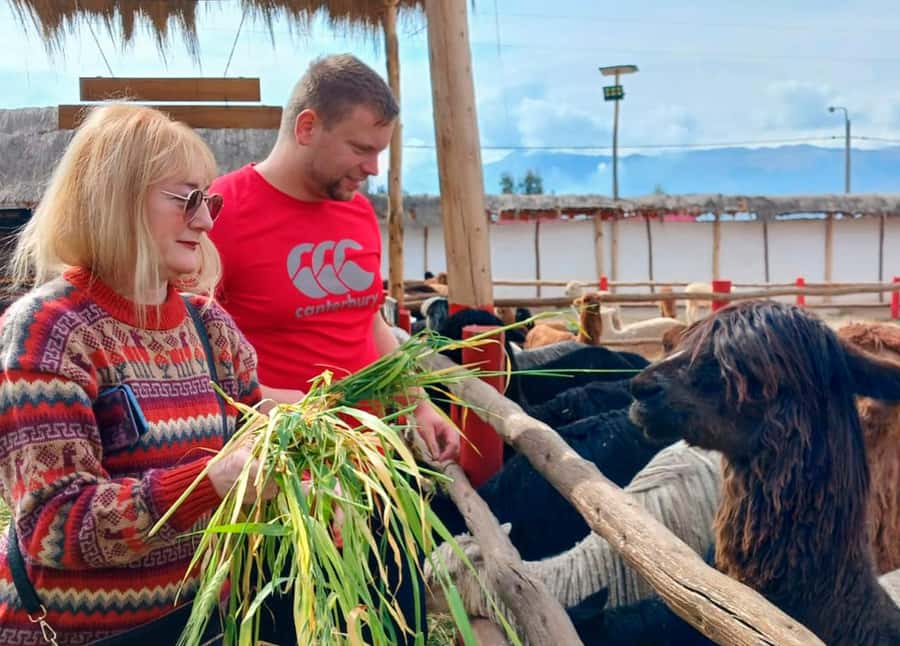
The headline price is $17 per person for a 5-hour half-day tour. That’s compelling if you treat it as transportation + guided interpretation + included forest access + photo support.
What’s included:
- Pick up and return to your hotel
- Guided tour through the 4 ruins and Coricancha
- Entrance to the Qenqo forest
- Souvenir photograph as a digital file
What’s not included:
- Tourist ticket (70 soles)
- Coricancha entrance (15 soles)
- Food and drink
So your real value depends on your budgeting style. If you’re comfortable paying those extra entrance costs anyway, you’re getting a structured, guided morning with a built-in photo bonus. If you’re counting every sol, plan for the fact that the entrance fees can make up a big chunk of the total.
One more logistics note: the itinerary can change operationally, but all the sites listed will still be visited. That’s good news. It also means you should stay flexible if timing shifts slightly.
What to bring for Cusco ruins and the Qenqo forest
Cusco weather loves surprises. This tour asks you to bring specific gear for a reason: you’ll be outdoors, and you’ll move between sites.
Bring:
- Comfortable shoes (non-negotiable for uneven stone)
- Sun hat (Cusco light can be intense)
- Biodegradable sunscreen
- Jacket and rain gear (expect changing conditions)
- Comfortable clothes
- Cash (for the tourist ticket and Coricancha entrance)
If you prefer, bring a small snack too, but note food and drink aren’t included. You don’t want your day to end with a headache from low energy.
Who this tour fits best (and who might want another option)
This is a great match if you want:
- A half-day plan with real guided context
- Several major Inca sites without committing to a full-day Sacred Valley itinerary
- A photo experience that feels built around you, not just a group stop and go
- English or Spanish guidance so the sites make more sense as you walk
It may be less ideal if:
- You hate extra entrance fees and want everything fully bundled
- You want a slow, unhurried stroll with long time at just one site
- You’re arriving late or cutting things close in the morning—this itinerary depends on staying on schedule
And if you’re picky about photos: still worth it, because the forest session and digital file are included. Just do yourself a favor and confirm how the file is delivered.
Should you book this Cusco ruins and forest photo tour?
I’d book it if you want a practical Cusco introduction that hits the major Inca landmarks quickly, plus a forest photo session that’s more memorable than standard ruins photos. The strongest pull is the combination: four city ruins + Coricancha + a guided photography moment.
You should think twice if your budget can’t handle entrance fees on top of the base price, or if you dislike schedule-driven tours. If you’re organized, on time, and ready for outdoor conditions, this is an efficient way to get more Cusco in less time—without losing the guided explanations that make Inca stone feel like more than scenery.
FAQ
What sites are included in this Cusco tour?
The tour visits Qenqo, Puca Pucara, Sacsayhuamán, Tambomachay, and Coricancha (Temple of the Sun), plus you enter the Qenqo forest for the photo session.
How long is the experience?
It lasts 5 hours.
Is hotel pickup and return included?
Yes. You’re picked up from your hotel in Cusco and returned after the tour.
What’s included with the photo experience?
You get a souvenir photograph in a digital file, and you’ll have a photo session in the Qenqo forest with an expert photography guide.
Do I need to buy entrance tickets?
Yes. A tourist ticket (70 soles) is not included, and Coricancha entrance (15 soles) is also not included.
What languages are available for the guide?
The live guide offers Spanish and English.
What should I bring?
Bring comfortable shoes, a sun hat, biodegradable sunscreen, a jacket, rain gear, comfortable clothes, and cash.
What’s the pickup timing and waiting rule?
Wait in your hotel lobby about 10 minutes before pickup. The driver will not wait more than 5 minutes after the scheduled pickup time.
Is food included?
No. Food and drink are not included.
FAQ
Can I cancel for a refund?
Yes. Free cancellation is available up to 24 hours in advance for a full refund.
How do I receive the digital souvenir photo file?
The tour includes a souvenir photograph in a digital file, but the specific delivery method isn’t listed. Ask your guide what to expect and when you’ll get it.
What if the itinerary changes?
The itinerary can be modified according to operation, but all the mentioned sites will be visited.