REVIEW · CHINCHERO DISTRICT
Cusco: Sacred Valley of the Incas Tour
Book on GetYourGuide →Operated by Inkayni Peru Tours · Bookable on GetYourGuide
Cusco’s Sacred Valley hits fast and hard. In one day you get major Inca sites, a living market, and high-elevation views, all stitched together with a real local guide. I especially like the way Ollantaytambo’s fortress feels both strategic and spiritual, and the way Pisac’s terraces show how the Incas shaped the mountains for survival and ceremony.
The main thing to plan for is that this is a tight, 10-hour loop. You’ll cover a lot of ground, and the altitude starts in Cusco at about 11,152 ft (3,399 m), with even higher stops like Chinchero at 12,342 ft (3,762 m). If you’re sensitive to altitude, or you want long, unhurried time at each place, you may feel rushed.
In This Review
- Key Points Worth Knowing Before You Go
- Why This Sacred Valley Tour Starts High in Cusco (And Keeps Going)
- Pisac Town Market: Where Textiles and Silver Tell You Who Lives Here
- Pisac Archaeological Park: Terraces, Temples, and Why the Incas Chose This View
- Urubamba Lunch Break: A Simple Reset in the Fertile Valley
- Ollantaytambo Fortress: The Inca Built It to Last and to Mean Something
- Chinchero District: Inca Roots, a Colonial Church, and Hands-on Weaving
- Transportation, Timing, and Altitude: How to Make the Day Feel Easy
- Guide Quality Can Make or Break the Day
- Price and Value: Is $22 Enough for What You Get?
- Who This Tour Fits Best (And Who Should Rethink It)
- Should You Book This Cusco Sacred Valley of the Incas Tour?
- FAQ
- What is the duration of the Cusco Sacred Valley of the Incas Tour?
- Where are the pickup and drop-off locations in Cusco?
- Is lunch included?
- Do I need to buy an entrance ticket?
- What languages is the tour guide available in?
- What should I bring with me?
- Is the tour suitable for people with mobility impairments or medical conditions?
- Are pets or alcohol allowed on the tour?
Key Points Worth Knowing Before You Go
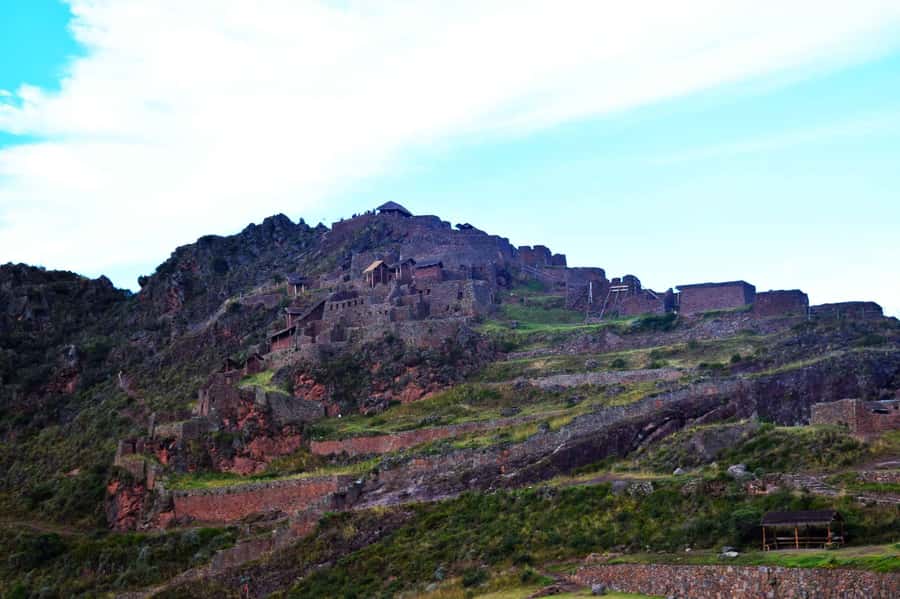
- Ollantaytambo fortress: massive stone terraces and a steep, impressive setting that explains Inca planning.
- Pisac archaeological park: guided time on ceremonial terraces above the valley.
- Pisac market + town stop: a practical chance to see handwoven textiles and silver jewelry up close.
- Chinchero weaving workshops: watch traditional Andean weaving techniques in action.
- Altitude and pacing: Cusco start plus high points like Chinchero means you’ll want water and a slower approach.
- Ticket required: the 70 Soles tourist ticket isn’t included, and you buy it at the first site entrance (Pisaq).
Why This Sacred Valley Tour Starts High in Cusco (And Keeps Going)
This tour begins with hotel pickup in Cusco, in the Centro Histórico area near the Iglesia del Triunfo. Cusco sits high, so even before you leave town you should take it easy: sip water, avoid sprinting for the van, and give your body a moment to adjust.
Once you’re headed into the Sacred Valley, the day keeps climbing in stops and viewpoints. You’ll see the valley from a scenic lookout along the way, which is a smart warm-up. It gets your bearings fast—how the river and towns line up against the slopes—so later the Inca sites feel less random and more planned.
You can also read our reviews of more tours and experiences in Chinchero District.
Pisac Town Market: Where Textiles and Silver Tell You Who Lives Here
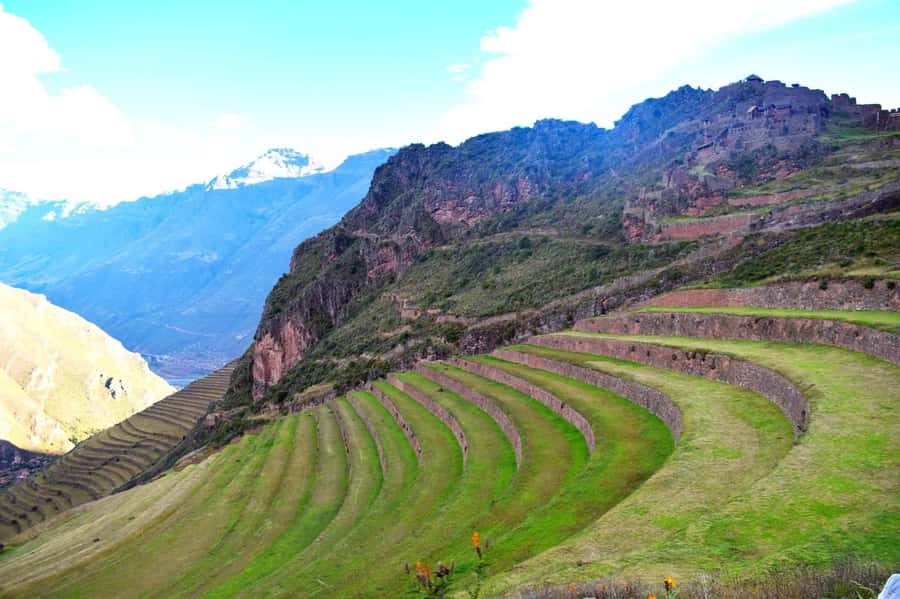
Pisac comes in two parts: a shorter town visit and then a longer archaeological park visit. That structure matters. The town stop is your chance to ground the day in everyday life, not just ruins.
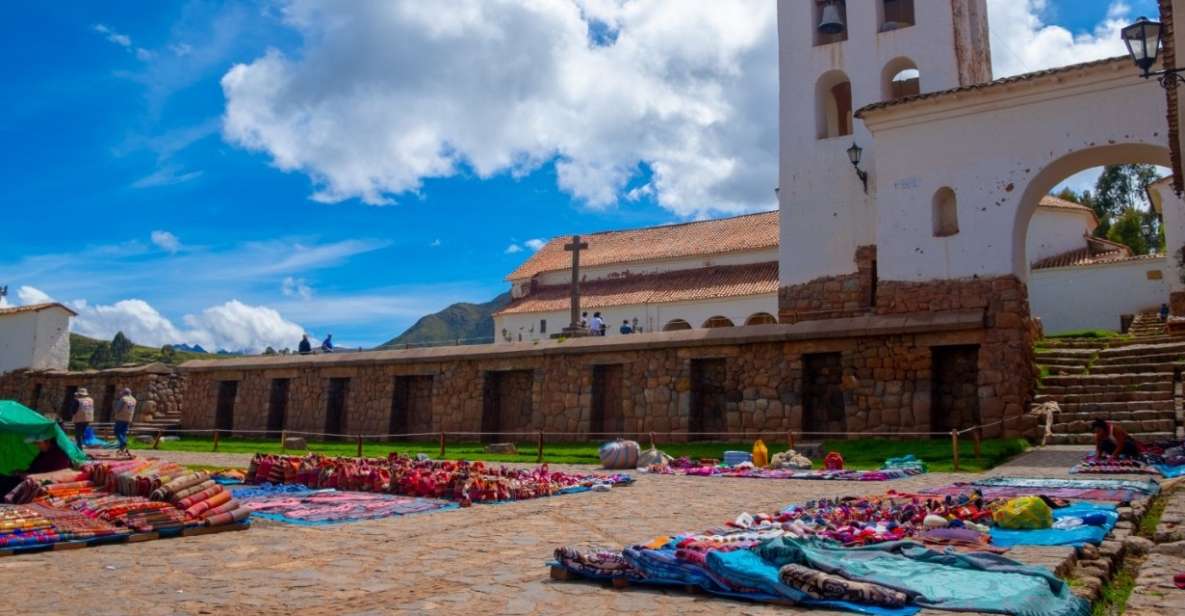
When you reach Pisac town, you’ll have guided time (about 30 minutes) plus time around the artisan market area. This is where you’ll see locals displaying handwoven textiles and silver jewelry. Even if you don’t buy anything, it’s a good way to understand that weaving and metalwork aren’t “souvenirs” here—they’re crafts tied to family skill and regional styles.
Practical tip: bring small cash if you plan to shop. You’ll be moving through stalls quickly, and the better you can pay on the spot, the fewer distractions you’ll have while the bus is waiting.
Pisac Archaeological Park: Terraces, Temples, and Why the Incas Chose This View
After Pisac town, you head to the Pisac Archaeological Park. You’ll get about 1 hour with a guide here, which is enough time to learn what you’re looking at without turning the site into a long slog at altitude.
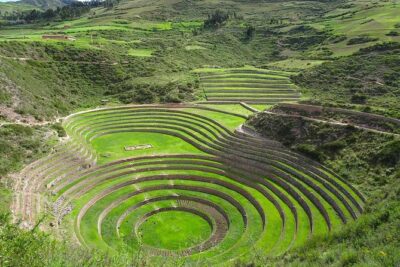
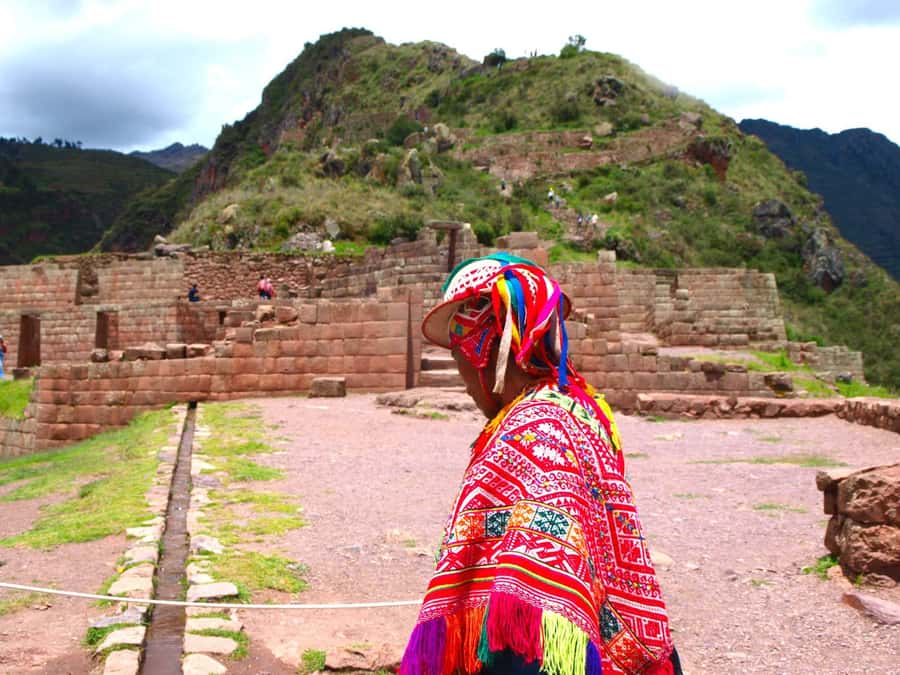
What makes Pisac special is the way the ancient terraces and ceremonial temples sit over the valley. From certain angles, you can see the logic: agriculture on the slopes, plus sacred architecture positioned to command the horizon. The guide’s job is key here—good explanations help you connect what seems like random stonework into a system of living and worship.
If you’re the type who likes to take a few extra photos, this is the stop where you should plan ahead. Move carefully, stay hydrated, and keep an eye on time so you don’t miss the guided points.
Urubamba Lunch Break: A Simple Reset in the Fertile Valley
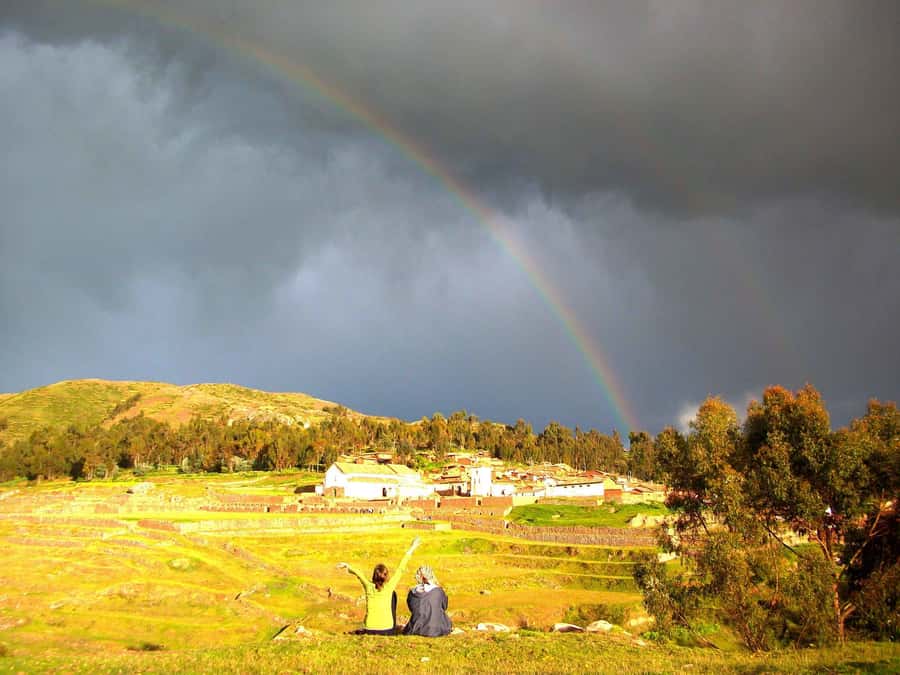
Urubamba is your lunch and reset point, with about 1 hour for the break (lunch not included). This matters because the Sacred Valley isn’t only a museum of ruins. The valley’s towns exist because the region supports growing food—so a lunch stop in Urubamba helps you feel how daily life fits into the big Inca story.
You’ll also get a chance to manage your day’s energy. If you’re prone to getting lightheaded at altitude, eat something steady, slow down, and avoid alcohol. Then you’ll be ready for the steeper, more intense experience at Ollantaytambo.
Ollantaytambo Fortress: The Inca Built It to Last and to Mean Something
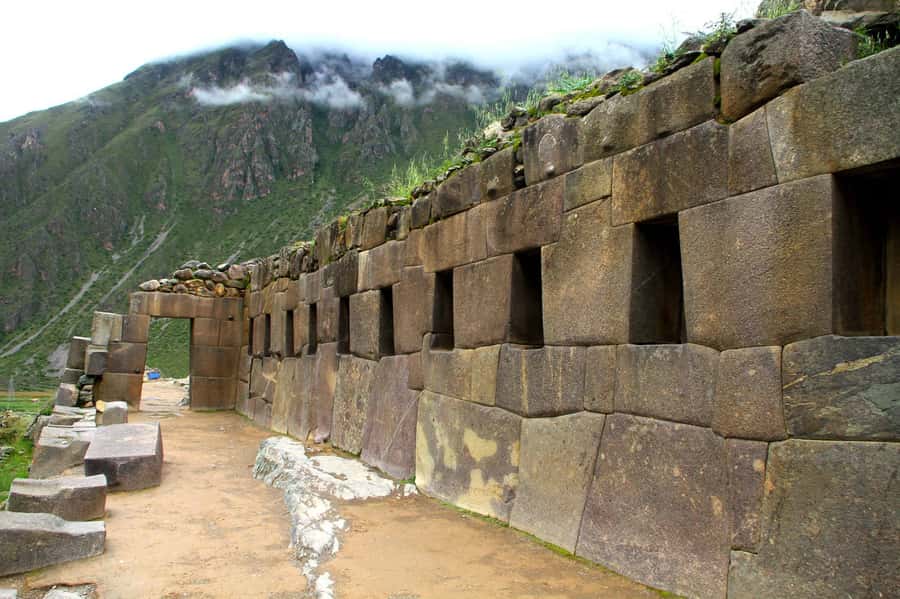
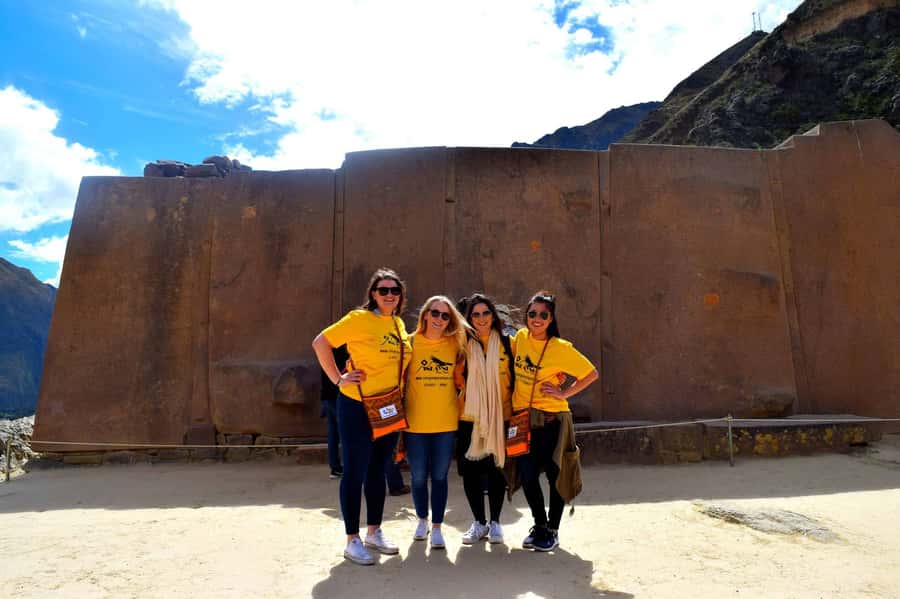
Ollantaytambo is often the emotional peak of the day, and for good reason. You arrive at about 9,160 ft (2,792 m), so it’s slightly lower than Cusco, but you still feel the altitude if you’re sensitive.
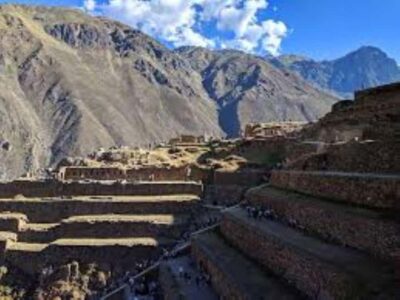
You’ll explore the fortress with about 1 hour guided time. The site is known for its strategic and spiritual importance, and the big takeaway is how the massive stone terraces climb the mountainside. This isn’t flat, walk-in sightseeing. It’s engineered to work with the terrain—defensive lines, control over movement, and sacred space arranged to communicate power.
When you’re there, try this: look at the terraces as if you’re the planner, not the tourist. If you imagine how an army would approach, or how worshippers would move, the stonework starts making sense fast. That’s the kind of “aha” moment this stop can deliver.
Chinchero District: Inca Roots, a Colonial Church, and Hands-on Weaving
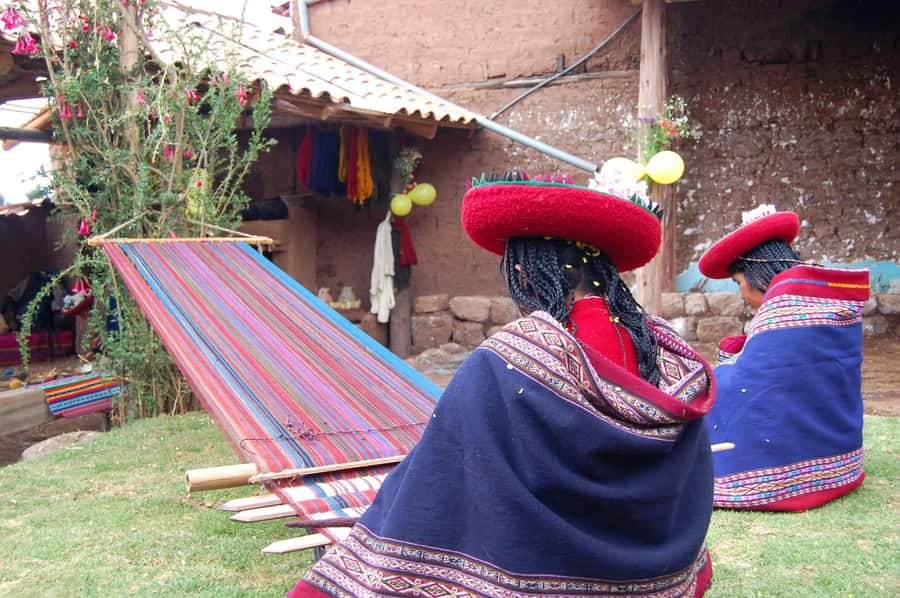
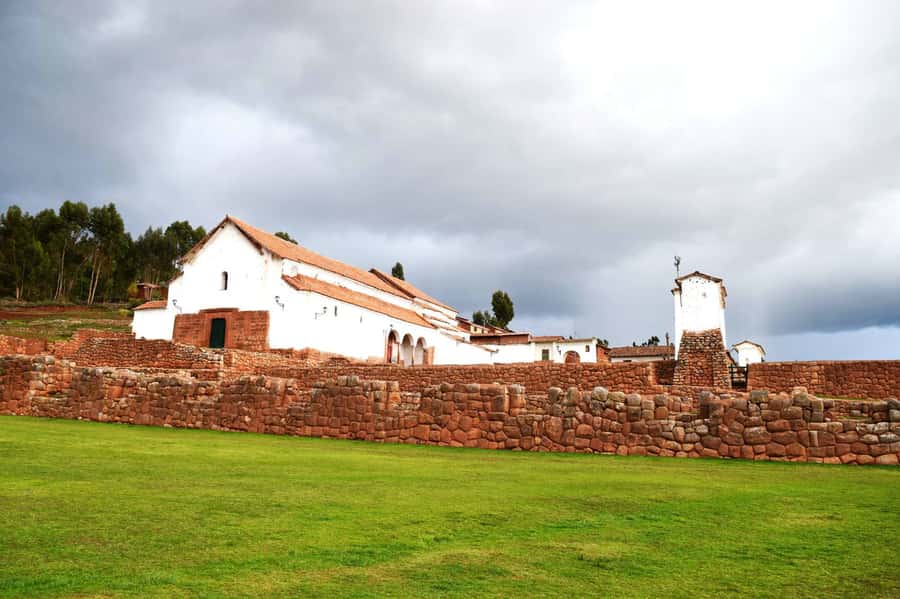
The final major site is Chinchero, reached at around 12,342 ft (3,762 m). That altitude jump is real, so take it easy the moment you arrive. Plan for pauses. Breathe through effort. This is also where you can feel how the route becomes physically demanding.
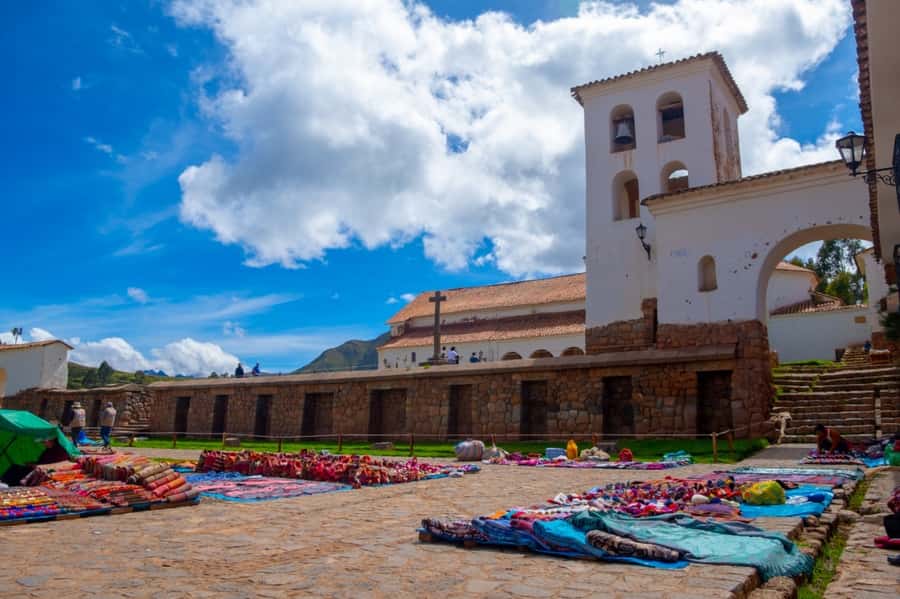
Chinchero is described as a town with Inca ruins, a colonial church, and traditional textile workshops. The highlight for many people is the weaving demonstration—artisans show ancient weaving techniques instead of just selling products. Seeing the process changes how you understand the textiles. It stops being an object and becomes a craft with method, tradition, and rhythm.
If you want to shop, do it carefully here. The temptation is to buy quickly because you’ve seen the finished items already. Slow down and watch the weaving first; then your questions—and your purchases—feel more informed.
Transportation, Timing, and Altitude: How to Make the Day Feel Easy
This is a 10-hour tour with transport to and from your hotel, plus multiple stops with guided time. That’s a lot to fit in, especially at altitude. You’ll be hopping between towns like Pisac, Urubamba, Ollantaytambo, and Chinchero, and each stop has its own rhythm.
Also, be ready for real-world timing. Hotel pickups in Cusco can get delayed by traffic or coordination issues. The best way to handle that is simple: confirm your pickup location, be waiting early in the lobby, and keep your day-bag light so you can move fast if the driver is already running behind.
What to bring (don’t treat this as optional):
- Passport or ID card
- Sun hat and sunscreen
- Water
- Rain gear (because weather can turn quickly in the high Andes)
Guide Quality Can Make or Break the Day
The good news: this tour includes a professional guide in English or Spanish, and the difference between an okay explanation and a great one is huge at Inca sites. At Pisac and Ollantaytambo, you’re looking at stone terraces and ceremonial spaces that need context. When the guide is patient and clear, you’ll get more out of the same time.
One guide name that’s been associated with this tour is Luis, praised for being knowledgeable and patient. Even if you don’t have the same guide, the lesson is the same: ask questions. If something doesn’t click, this is the day to speak up. You’ll usually get a much better understanding right when it matters—standing on the terrace, looking back over the valley.
Price and Value: Is $22 Enough for What You Get?
At $22 per person, the headline price looks like a steal for a day that covers major sites with transport and guided commentary. The catch is that two costs still hit your budget during the day.
1) Entrance fee: 70 Soles tourist ticket, not included. You buy it the day of the activity at the entrance of the first place you visit (Pisaq).
2) Lunch: not included in the price.
Even with those add-ons, the value can still be strong because the tour isn’t just one site. You’re getting multiple stops across the Sacred Valley: Pisac (town + archaeology), Urubamba (lunch break), Ollantaytambo (fortress), and Chinchero (Inca ruins + church + weaving workshops). If you’d otherwise need separate transport and separate guiding, the bundle usually makes sense.
My practical take: treat $22 as the tour fee, then budget extra for the ticket and lunch. Do that, and you won’t feel surprised at the end.
Who This Tour Fits Best (And Who Should Rethink It)
This is a great match if you want a single-day overview that still hits the core Sacred Valley sites: Pisac, Ollantaytambo, and Chinchero. It’s also good if you like structure—knowing you’ll be picked up, guided at the big points, and back in Cusco in the early evening.
It’s not a fit if you have pre-existing medical conditions or mobility impairments, especially because of altitude and uneven terrain at archaeological sites. Even with the best intentions, the physical demands of high elevations and walking on stone and slopes can be tough.
If you’re traveling with kids, the tour may be better for older teens who can handle time on buses and uneven steps. For very small children, you’d likely need extra caution and flexibility.
Should You Book This Cusco Sacred Valley of the Incas Tour?
Book it if:
- You want a 10-hour, guided Sacred Valley highlights circuit.
- You’re okay with a schedule that moves and gives you enough time to learn, not linger forever.
- You want to see both major ruins and living craft, especially the Chinchero weaving part.
Skip or modify it if:
- You’re altitude-sensitive or have medical concerns that make high elevation risky.
- You want a slow travel day with long sit-down time at each site.
- You strongly prefer to control entrance tickets and timing yourself, since you’ll still need that 70 Soles tourist ticket at the first stop.
If you decide to go, do yourself one favor: plan to start the day calm. Drink water early, protect yourself from sun, and keep your expectations realistic. You’ll end the day with the Sacred Valley’s big Inca story in your head—and the craft traditions of Chinchero in your memory.
FAQ
What is the duration of the Cusco Sacred Valley of the Incas Tour?
The tour lasts 10 hours.
Where are the pickup and drop-off locations in Cusco?
Pickup and drop-off are available at Centro Histórico, Iglesia del Triunfo (Cuzco).
Is lunch included?
No. Lunch in Urubamba is not included.
Do I need to buy an entrance ticket?
Yes. You must buy a tourist ticket (70 Soles). You can purchase it on the day at the entrance of the first place you visit (Pisaq).
What languages is the tour guide available in?
The live guide is available in English or Spanish.
What should I bring with me?
Bring your passport or ID card, sun hat, sunscreen, water, and rain gear.
Is the tour suitable for people with mobility impairments or medical conditions?
No. It is not suitable for people with pre-existing medical conditions or mobility impairments.
Are pets or alcohol allowed on the tour?
Pets are not allowed. Alcohol and drugs are also not allowed, and weapons or sharp objects are prohibited.