REVIEW · MACHU PICCHU
Salkantay trek to Machu Picchu – 5D/4N – Premium
Book on GetYourGuide →Operated by Grupo Conde Travel · Bookable on GetYourGuide
Salkantay turns the dial to awe. This 5-day, 4-night trek swaps the Inka Trail crowds for a high-mountain route and ends with a round-trip bus to the Machu Picchu citadel. I really like the basecamp feel at SalkantayPampa and the way you get a full-service setup in camp, not just a pack-and-go hike.
What you’ll especially appreciate is that the trek includes a bilingual English guide, a chef and assistants, and even a sleeping bag for the nights on the trail. The main drawback to consider is the overall organization variability you might run into on busy departures, especially around Machu Picchu ticket time in Machu Picchu Pueblo and whether you’ll have the same guide for the whole route.
In This Review
- Key things I’d zero in on before you book
- Why Salkantay feels like a smart alternative to the Inka Trail
- The real deal on fitness: moderate to challenging, 64 km total
- SalkantayPampa basecamp: camping that’s actually organized
- Day-by-day breakdown: Cusco to Machu Picchu without the fluff
- Day 1: Cusco → Humantay Lake → Basecamp SalkantayPampa (about 16 km, ~7 hrs)
- Day 2: SalkantayPampa → Chaullay (about 18 km, ~7 hrs)
- Day 3: Chaullay → Lucmabamba (about 16 km, ~6 hrs)
- Day 4: Lucmabamba → Llactapata → Hydroelectric → Aguas Calientes (about 14 km, ~6 hrs)
- Day 5: Machu Picchu citadel → Cusco (with train back to Ollantaytambo)
- Price and value: is $510 realistic for what you get?
- Guides, group size, and the small things that decide whether it’s great
- What meals and lodging feel like on a camping trek
- Packing for cold mornings, altitude, and comfort you’ll feel
- Who this trek fits best (and who should skip it)
- Should you book this Salkantay trek?
- FAQ
- How long is the Salkantay trek to Machu Picchu on this option?
- What hiking distance is included?
- What is the difficulty level?
- What days include camping and where do you stay on the last night?
- Are meals included?
- What entrance tickets are included, and what is not?
- How do you get back after Machu Picchu?
- Is there transportation to Machu Picchu citadel?
- How big is the group and what language is the guide?
Key things I’d zero in on before you book
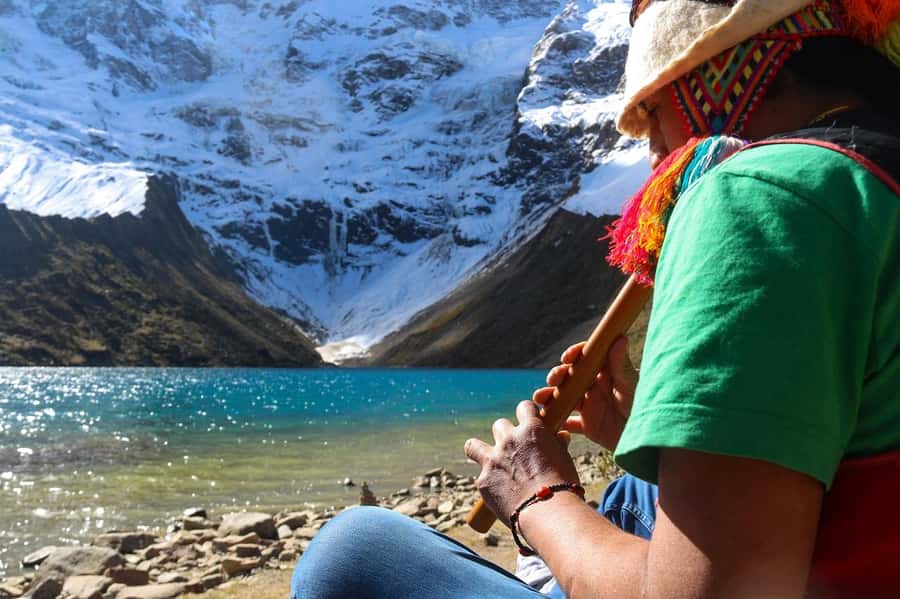
- SalkantayPampa camping setup: sleeping bag, roomy dining tent, and a kitchen team, so you’re not living on instant noodles in the dark.
- Small group size (up to 15): easier to move as a unit and get time for questions.
- Machu Picchu citadel transport is included: a round-trip bus day-of keeps one big headache off your plate.
- Huayna Picchu and Montaña are not included: you’ll be locked into the standard Machu Picchu ticket unless you add options.
- 64 km over 5 days: it’s not just a scenic walk; it’s real trekking work at altitude.
Why Salkantay feels like a smart alternative to the Inka Trail
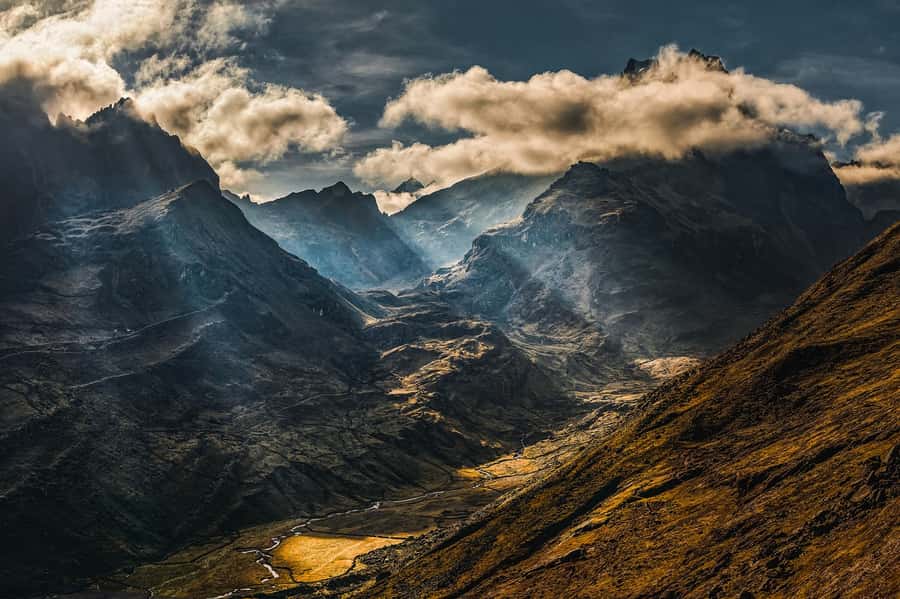
The Salkantay trek is popular for a reason: it hits big Andean scenery without requiring you to follow the same Inka Trail route. You still get the sense of a pilgrimage-style journey toward Machu Picchu, but with more “route variety” in the day-to-day scenery and terrain. If you’re trying to avoid the most crowded timing of the classic trail, this can feel like a better fit.
For me, the best part is that the journey doesn’t pretend you’re on a casual vacation stroll. You hike, you climb, you camp, and then you earn the Machu Picchu day. That’s the difference between simply seeing Machu Picchu and experiencing the build-up that makes it land harder.
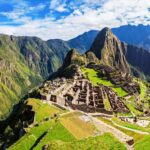
You can also read our reviews of more tours and experiences in Machu Picchu.
The real deal on fitness: moderate to challenging, 64 km total
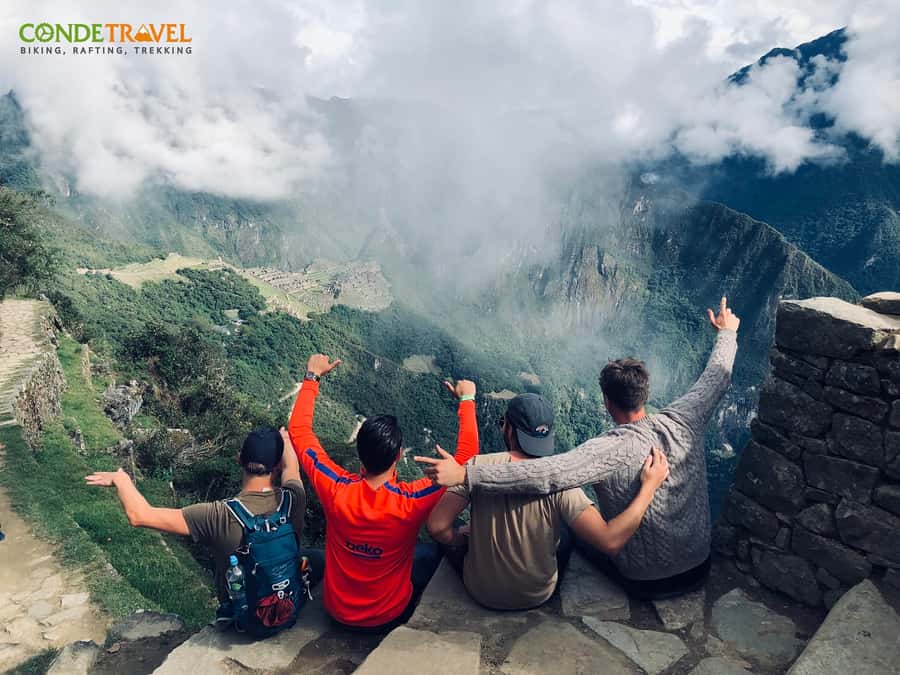
The trekking distance is about 64 km (39 miles) across 5 days / 4 nights, with daily hiking times listed around 6–7 hours. That makes it a moderate-to-challenging hike in practical terms: expect elevation effects, some long stretches, and days where your legs will feel it even if you keep a steady pace.
If you don’t already hike regularly, I’d treat this as a training plan opportunity. You don’t need to be a marathoner, but you should be comfortable walking for multiple hours and handling uneven paths. Also, the itinerary calls for snow clothing in your packing list—so plan for cold at altitude, not just warm sunny views.
SalkantayPampa basecamp: camping that’s actually organized
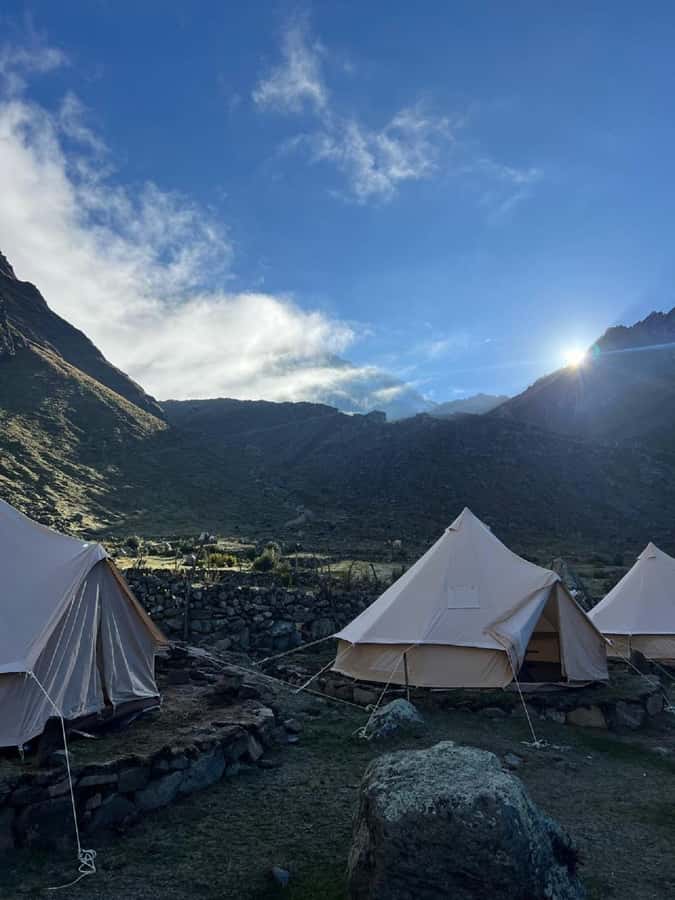
This is one of the biggest reasons people choose Salkantay over day trips. Your nights include 3 nights campsite, and your basecamp at SalkantayPampa is described as offering an authentic camping experience. Translation: you’re not in a hotel; you’re in a camp designed for trekkers.
From the included items, you can expect real support in camp: a spacious dining tent, a kitchen team, and a sleeping bag. Vegetarian options are available too, which matters because one missing meal can wreck your energy for the next day.
And since you’ll be carrying only a daypack (oversize luggage is not allowed), it helps to think about what you want to have within reach: cold layers, your flashlight, and a small stash for quick comfort.
Day-by-day breakdown: Cusco to Machu Picchu without the fluff
Day 1: Cusco → Humantay Lake → Basecamp SalkantayPampa (about 16 km, ~7 hrs)
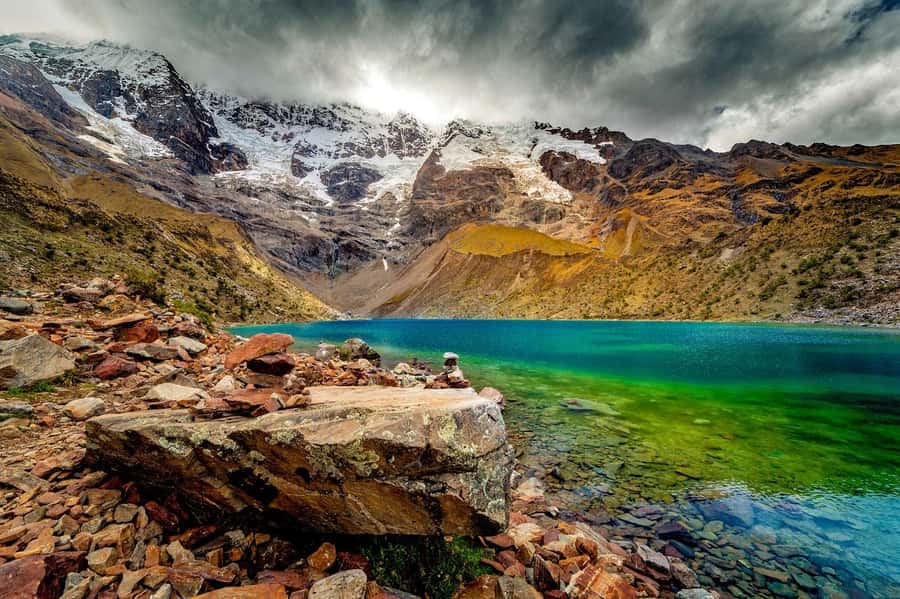
Day one is your “get moving” day. You start from Cusco, head toward Humantay Lake, and then continue on to Basecamp SalkantayPampa. Humantay Lake is a major early visual payoff, and it’s also a good moment to gauge your pace and how your body is handling altitude.
By the time you reach camp, you’re not just sleeping—you’re resetting for the next day’s trek rhythm. Since the trek includes camp support (dining tent, kitchen, sleeping bag), you can focus on rest rather than figuring out logistics in the dark.
Tip: take it easy on the first day. It’s tempting to rush because the views are calling, but you’ll enjoy the whole trek more if you arrive at camp still feeling human.
Day 2: SalkantayPampa → Chaullay (about 18 km, ~7 hrs)
Day two pushes the distance slightly higher at about 18 km. It’s the kind of day where your strategy matters: small, steady steps beat a forced power-walk. The goal is to keep breathing controlled and save energy for the next segments.
This is also a day where you’ll likely start to understand the trek’s pace. You’ll feel the trail underfoot, and you’ll learn how your body responds when you’re walking for hours. If you’re carrying extra layers, adjust early. Once you’re hot, you’re stuck until you can safely change.
Day 3: Chaullay → Lucmabamba (about 16 km, ~6 hrs)
Day three brings you to Lucmabamba, with hiking listed at about 16 km and around 6 hours. This makes it feel like a “steady day” rather than a maximum-effort grind.
I like days like this because they’re a chance to settle into your rhythm and enjoy the route without constantly thinking about time. It also sets you up for the final travel day toward Aguas Calientes, where your Machu Picchu plans start to feel very real.
Day 4: Lucmabamba → Llactapata → Hydroelectric → Aguas Calientes (about 14 km, ~6 hrs)
Day four is shorter on paper at 14 km, but it’s often emotionally the biggest day. You move through Llactapata, then toward Hydroelectric, and finally reach Aguas Calientes (also called Machu Picchu Pueblo). You’ll also spend the night in a hotel in Machu Picchu Pueblo.
This is the point where the trek shifts from “walking journey” to “Machu Picchu operation.” You’re still hiking, but the trip’s end is close enough that you’ll start thinking about tomorrow’s logistics: when you eat, when you sleep, and how early you need to be.
Practical note: because the standard Machu Picchu entrance ticket is included, your main next-day priority is making sure you’re ready for the citadel bus timing and don’t lose time to ticket-related errands.
Day 5: Machu Picchu citadel → Cusco (with train back to Ollantaytambo)
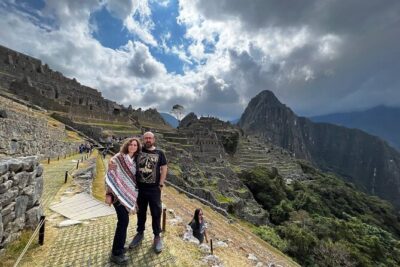
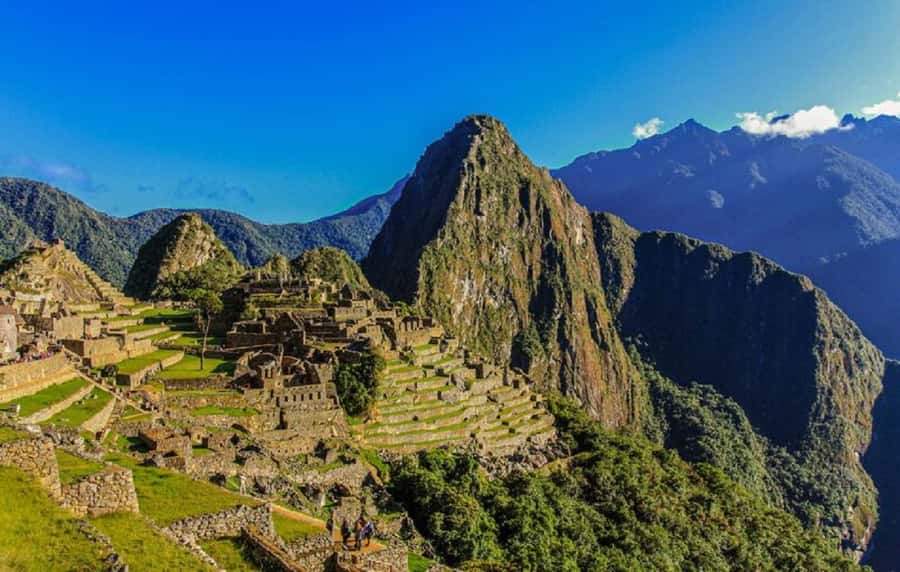
Day five is the payoff day. You’ll take the round-trip bus to Machu Picchu citadel, then continue onward to Cusco. The route includes a train back from Aguas Calientes to Ollantaytambo and then transportation from Ollantaytambo to Cusco.
Because Huayna Picchu and Montaña Machu Picchu are not included, your Machu Picchu day is geared toward the standard citadel experience. If you were hoping for a separate mountain viewpoint, you’ll want to plan that separately before you commit.
Price and value: is $510 realistic for what you get?
At $510 per person, this trek isn’t cheap, but it’s also not just “a hike and good luck.” You’re paying for a bundle of hard-to-fake logistics:
- All transfers, plus train back to Ollantaytambo and onward transport to Cusco
- Entrance tickets for the Mollepata–Salkantay route and for Machu Picchu citadel
- Round-trip bus to Machu Picchu
- A professional bilingual guide, plus chef and assistants
- 3 nights camping with a sleeping bag, and a hotel night in Aguas Calientes
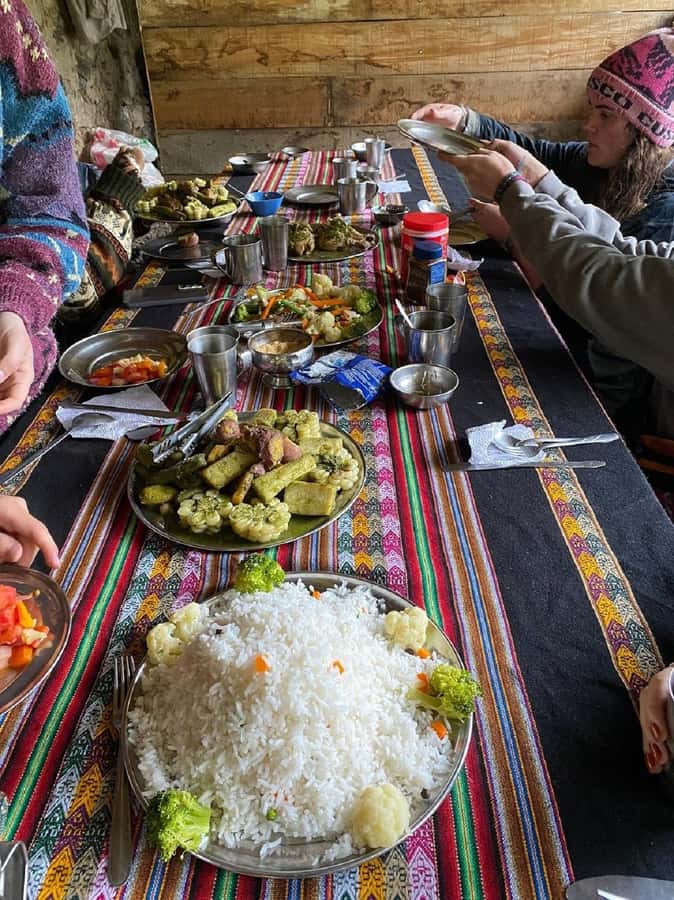
- Food as mentioned in the itinerary, with vegetarian options
The part that often surprises people is how much the included equipment and food matter once you’re tired and cold. A sleeping bag and a functioning camp kitchen can make the difference between enjoying the trek and just surviving it.
What you’ll still need to budget for: the first breakfast and last day lunch and dinner are not included, and you’ll want spending money for personal items and any upgrades (like mountain entrances, if you want them).
Guides, group size, and the small things that decide whether it’s great
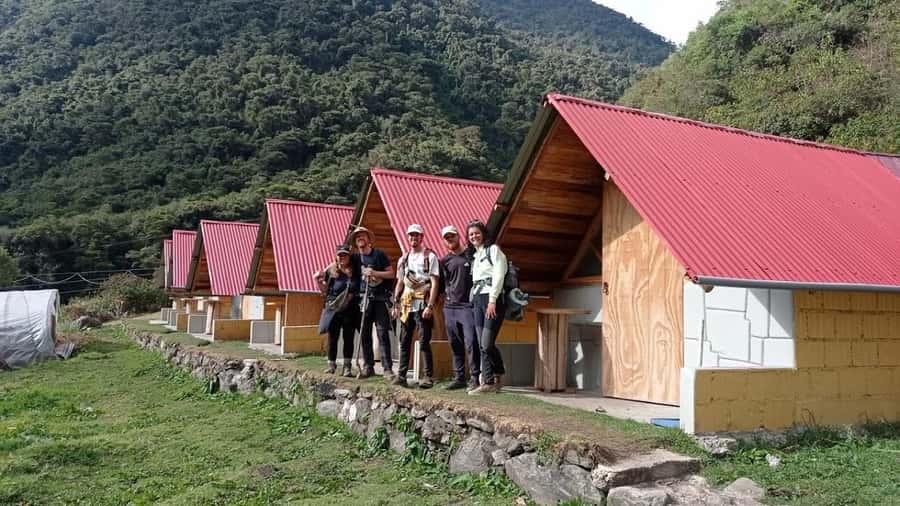
This tour runs as a small group, limited to 15 participants, and the guide language is English. Smaller groups are usually easier to manage on trekking days, especially when the pace is moderate to challenging and the weather can change quickly.
About guide quality: one guide name that shows up positively is Eduardo, praised for sharing information about nature, traditions, and people. That’s the sort of guidance that turns a route into a story. You don’t just walk through places—you understand what you’re seeing.
Now the balanced part. There’s also evidence that not every departure runs smoothly. On one booking, people reported issues like not matching what they expected at the start, illness with no clear emergency communication plan, time lost in Machu Picchu Pueblo to ticket handling, and even guide changes mid-trek. You can’t control other people’s experiences, but you can reduce your odds of disappointment.
My practical advice: message the operator before you go and ask these two questions:
1) Will the same guide stay with the group for the full trek?
2) What emergency support and communication exists if someone gets sick on the trail?
What meals and lodging feel like on a camping trek
You get food as mentioned in the itinerary, and vegetarian options are available. That matters because on trekking days, you want consistent meals that help you keep walking.
You’ll sleep three nights in camps and then one hotel night in Machu Picchu Pueblo. The switch to a hotel night is a big comfort checkpoint right before Machu Picchu. It’s also a good time to recharge your body, take a hot shower if available, and pack your day essentials.
Just plan for meals that aren’t included: the first breakfast and last day lunch and dinner. If you rely on predictable meal schedules, plan a simple strategy for those gaps so you don’t end up hungry and cranky at the end.
Packing for cold mornings, altitude, and comfort you’ll feel
Your packing list is detailed, and I agree with the emphasis on layers and practical gear:
Bring:
- Passport
- Hat
- Change of clothes
- Camera
- Biodegradable sunscreen
- Comfortable clothes
- Snow clothing
- Cash
- Flashlight
- Daypack
- Charged smartphone
- Personal medication
- Closed-toe shoes
- Garbage bag
Not allowed:
- Oversize luggage
- Alcohol and drugs
- Open-toed shoes
- Electric wheelchairs
- Crutches
- Nudity
If you take one packing lesson from this: don’t treat this like a warm-season hike only. The mention of snow clothing is your clue that temperatures can drop hard. A flashlight helps in camp for quick trips, and a garbage bag keeps things tidy when you’re on the move.
Who this trek fits best (and who should skip it)
This trek is rated not suitable for:
- Children under 5
- Pregnant women
- People with back problems
- People with mobility impairments
- People with heart problems
- Wheelchair users
- People over 70
If you fall into any of those categories, I’d skip it and look for a different format with less altitude strain and less walking time.
Who it suits well: people who want a real multi-day trekking experience with camping support, who like the idea of a guided route, and who want Machu Picchu as the finish line—not just the headline.
Also, if you’re the type who likes knowing where logistics are already handled (tickets, transfers, bus, train back), this package style is built for you.
Should you book this Salkantay trek?
Book it if you want the Salkantay route as a popular Inka Trail alternative, you’re comfortable with a moderate-to-challenging 64 km trek, and you like the idea of a structured camping experience with guide support, cooking help, and a sleeping bag included.
Hold off or ask extra questions if organization details matter a lot to you. Since there have been real reports of guide changes and ticket-time stress in Machu Picchu Pueblo on at least one departure, I’d confirm two things before paying: guide continuity and how the team helps with any Machu Picchu day ticket timing issues. If they can answer clearly, you’re in a good position.
If you want a trek that feels like an adventure with a planned landing in Machu Picchu, this is a strong option—just go in ready for real hiking, cold nights, and a full day of logistics on the back half.
FAQ
How long is the Salkantay trek to Machu Picchu on this option?
It’s a 5-day trek with 4 nights total (3 nights camping and 1 night hotel in Machu Picchu Pueblo).
What hiking distance is included?
The hiking distance is listed as about 64 km (39 miles).
What is the difficulty level?
The trek is described as moderate to challenging.
What days include camping and where do you stay on the last night?
You have 3 nights campsite on the trek, and then 1 night in a hotel in Machu Picchu Pueblo (Aguas Calientes).
Are meals included?
Food is included as mentioned in the itinerary, with vegetarian options available. The first breakfast and the last day lunch and dinner are not included.
What entrance tickets are included, and what is not?
The entrance ticket to the Mollepata–Salkantay route and the entrance ticket to Machu Picchu are included. Huayna Picchu and Montaña Machu Picchu entrance are not included.
How do you get back after Machu Picchu?
The trip includes a train back from Aguas Calientes to Ollantaytambo, plus transportation from Ollantaytambo to Cusco.
Is there transportation to Machu Picchu citadel?
Yes. Round-trip bus transportation to the Machu Picchu citadel is included.
How big is the group and what language is the guide?
It’s a small group limited to 15 participants, with a professional bilingual guide in English. Pickup is included, and you’re told to wait in the hotel lobby about 10 minutes before pickup time.